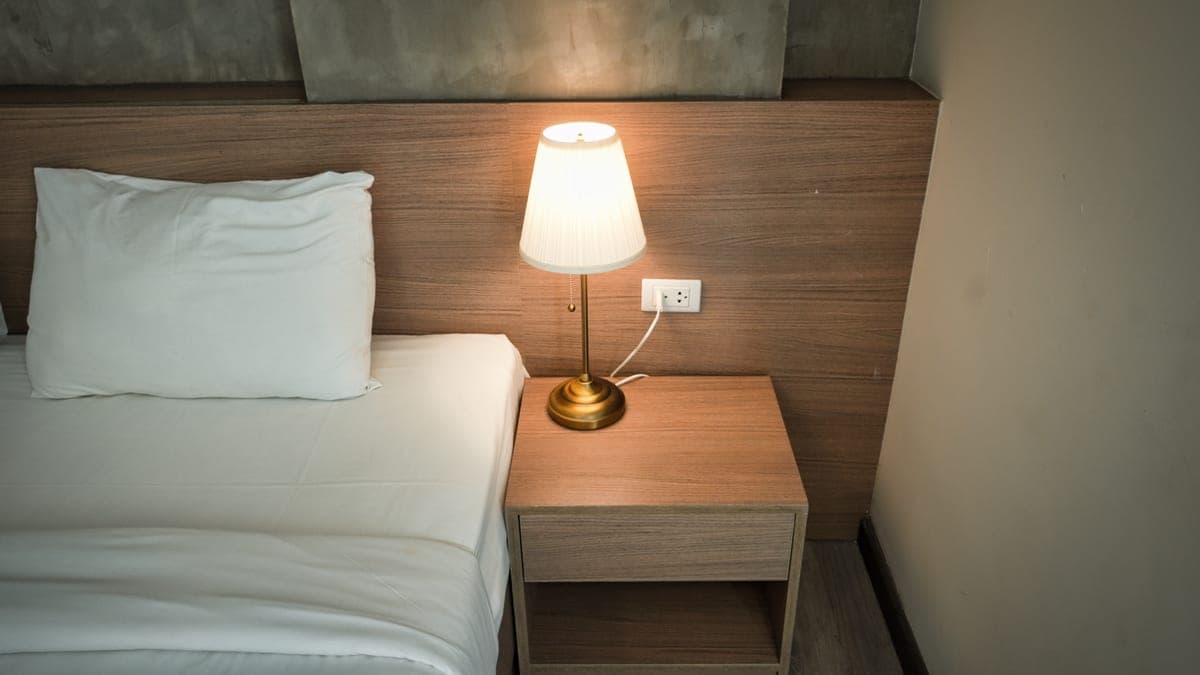
Best wax melt warmer
The best wax melt warmers, ranked on what their makers actually publish
Wax melt warmers ranked on published wattage, bulb fitment and dish size, with the source for every number.
Top pick: Candle Warmers Metallic Dish
The hardware. Lamp, plug-in, dish, tealight or battery - they behave differently, cost different amounts to run, and only four of the five are flame-free.
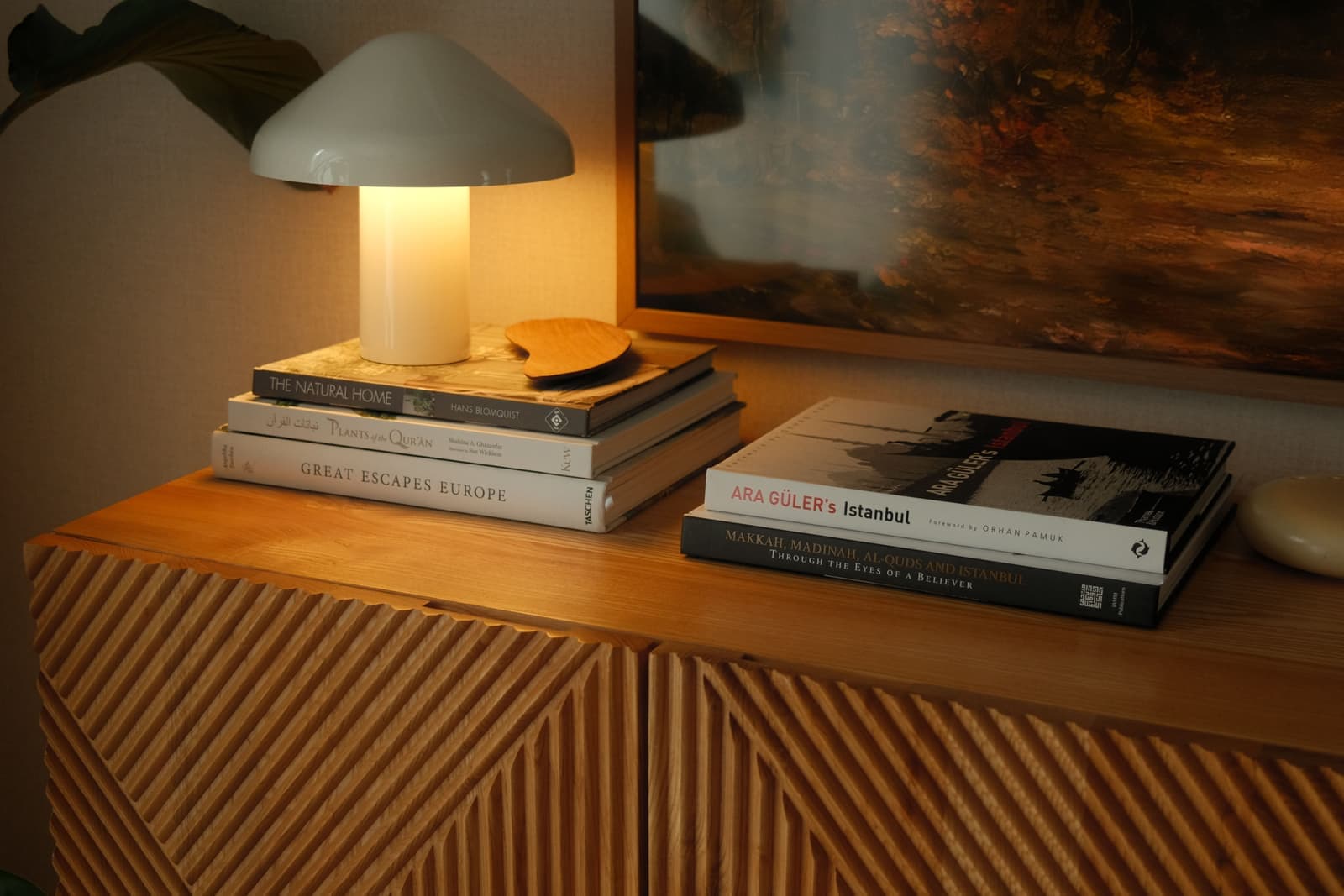
Every wax warmer sold in the US is one of five things: a candle warmer lamp, a plug-in wall warmer, an electric dish warmer, a tealight burner, or a battery model. They heat differently, cost different amounts to run, and take different consumables.
Only four of the five are flame-free. A tealight burner is a candle with a dish on top of it, and if you arrived at wax melts because of a pet, a rental agreement, a dorm rule or a near-miss, it does not solve the problem you were solving. We recommend one nowhere on this site, and that is a deliberate position.
Listings in this category are written as if the only variables are color and price. The pages below rank on what makers actually publish - rated wattage, bulb fitment, timer behavior, dish size - and say plainly where a figure does not exist. Start with the five types if you have not bought one before; it is the page everything else here hangs off.
Best wax melt warmer
Wax melt warmers ranked on published wattage, bulb fitment and dish size, with the source for every number.
Top pick: Candle Warmers Metallic Dish
Best candle warmer lamp
Candle warmer lamps compared on the specification that matters most: published timer behavior, plus head height and jar capacity.

Top pick: Marycele Warmer Lamp
$39.99 · 50% off
Best plug-in warmer
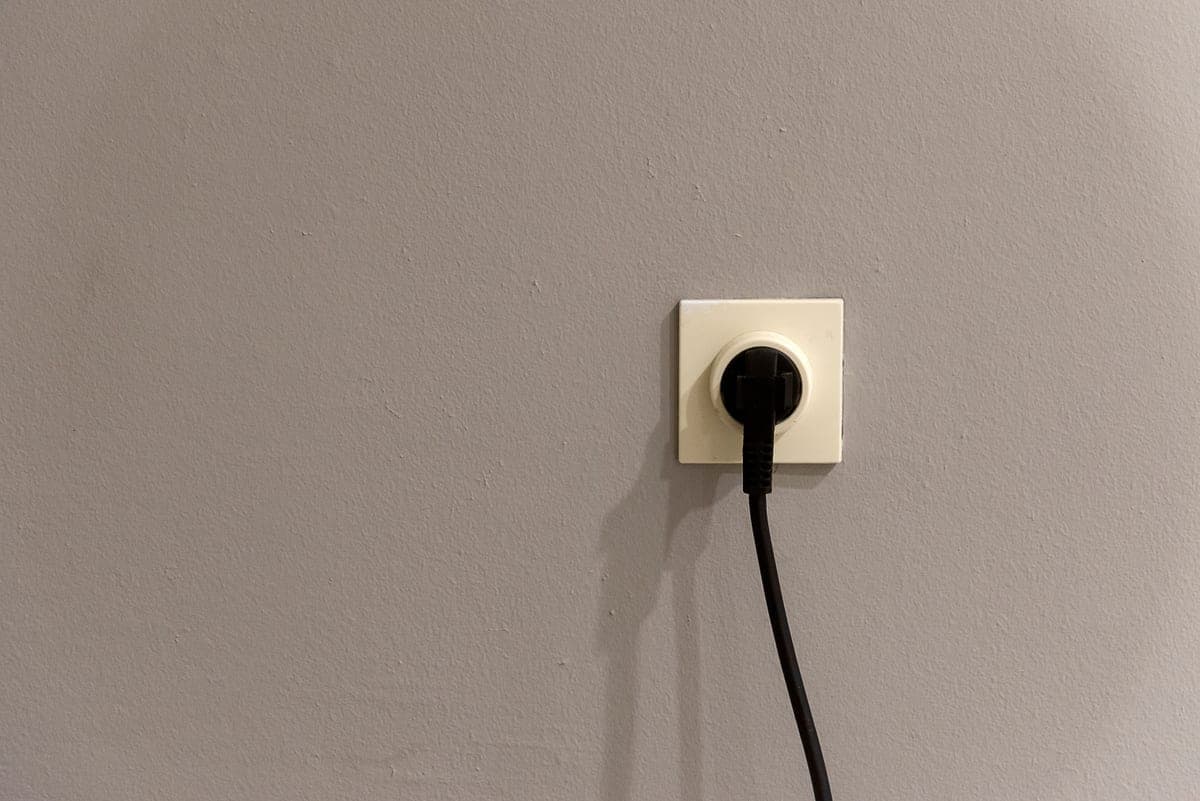
Plug-in wax warmers ranked on published bulb rating and projection depth, with the siting rules that matter more than the product.
Top pick: VP Home Plug-in
Best timer
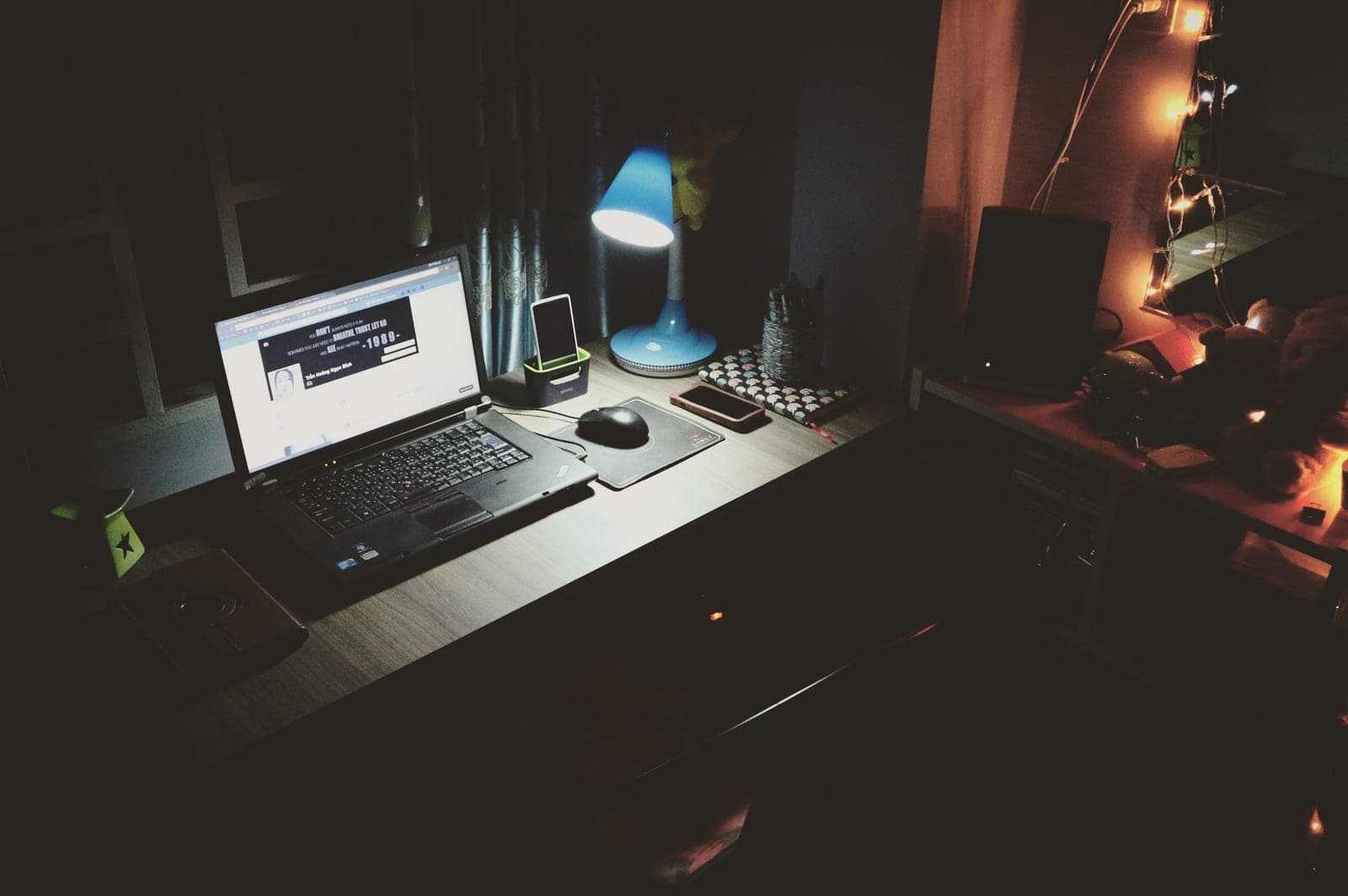
Warmers with published timers, separated by what the timer does: one-shot auto shut-off, repeating daily cycle, or an unspecified claim.
Top pick: Marycele Warmer Lamp
$39.99 · 50% off
Safest pick
What can honestly be ranked when nobody publishes a certification: no flame, a published shut-off, a low rated wattage, and a stable body.
Top pick: Marycele Warmer Lamp
$39.99 · 50% off
Best liner
Liners sized by bottom diameter, a real replacement dish for a broken one, and an honest read on the claim that liners improve scent throw.

Top pick: ASAWASA Liners (6)
Picks
What Marycele publishes, what it does not, and the 50 W bulb rating that costs about five times what a plate warmer does to run.
Top pick: Marycele Warmer Lamp
$39.99 · 50% off

Picks
The one brand here that publishes wattages and claims a UL or ETL listing across its range, weighed against a proprietary bulb and no timers.

Top pick: Candle Warmers Hobnail Dish
Picks
The buy cost, the run cost and the four cases where the honest answer is no - plus what a warmer actually replaces.

Top pick: Colonial Candle Timer Warmer
$15.99 · 13% off
Cheapest warmer
What vanishes from the spec sheet as price drops - wattage, timer, safety listing - and which of those you can live without.

Top pick: STAR MOON Plug-in
Best replacement bulb
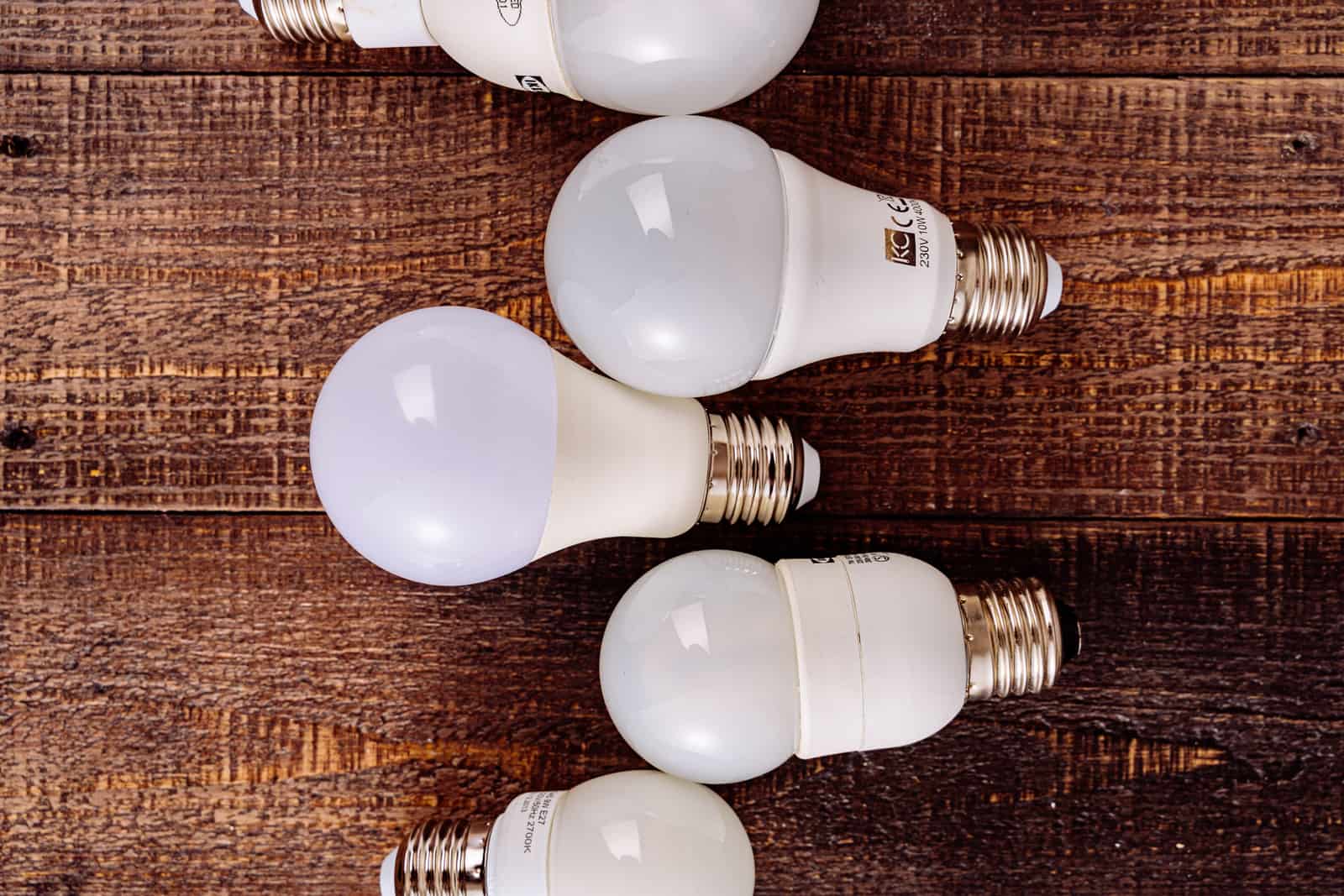
GU10 25 W and 50 W replacements compared on what each listing states, plus why an LED of the same wattage will not melt wax.

Top pick: YBEK 25 W NP5 (4-pack)
Picks
Warmers ranked on published wattage and dish size for open-plan rooms, and the case for two warmers instead of one.
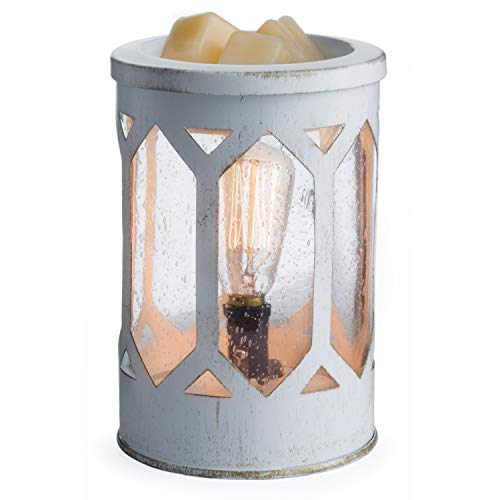
Top pick: Candle Warmers Vintage Bulb
Picks
Timer durations, an ETL listing and an enclosed heating plate - weighed against a wattage the listing never states.
Top pick: Colonial Candle Timer Warmer
$15.99 · 13% off
Best looking warmer
Shaped, carved and glass warmers ranked on what survives the aesthetic premium - and the two that publish a timer or a bulb rating anyway.

Top pick: Candeldo Mushroom
Best candle warmer plate
Jar-candle hot plates ranked on jar guidance, timer, wattage and certification - and why most of them are sold as mug warmers too.

Top pick: Candle Warmers Etc. Original Plate
$13.99 · 30% off
Picks
Happy Wax's two warmers reviewed on published specs: a stated 3/6/9 hour shut-off on one, a contradictory title on the other, and no wattage on either.

Top pick: Happy Wax Outlet Timer Warmer
Best for large candles
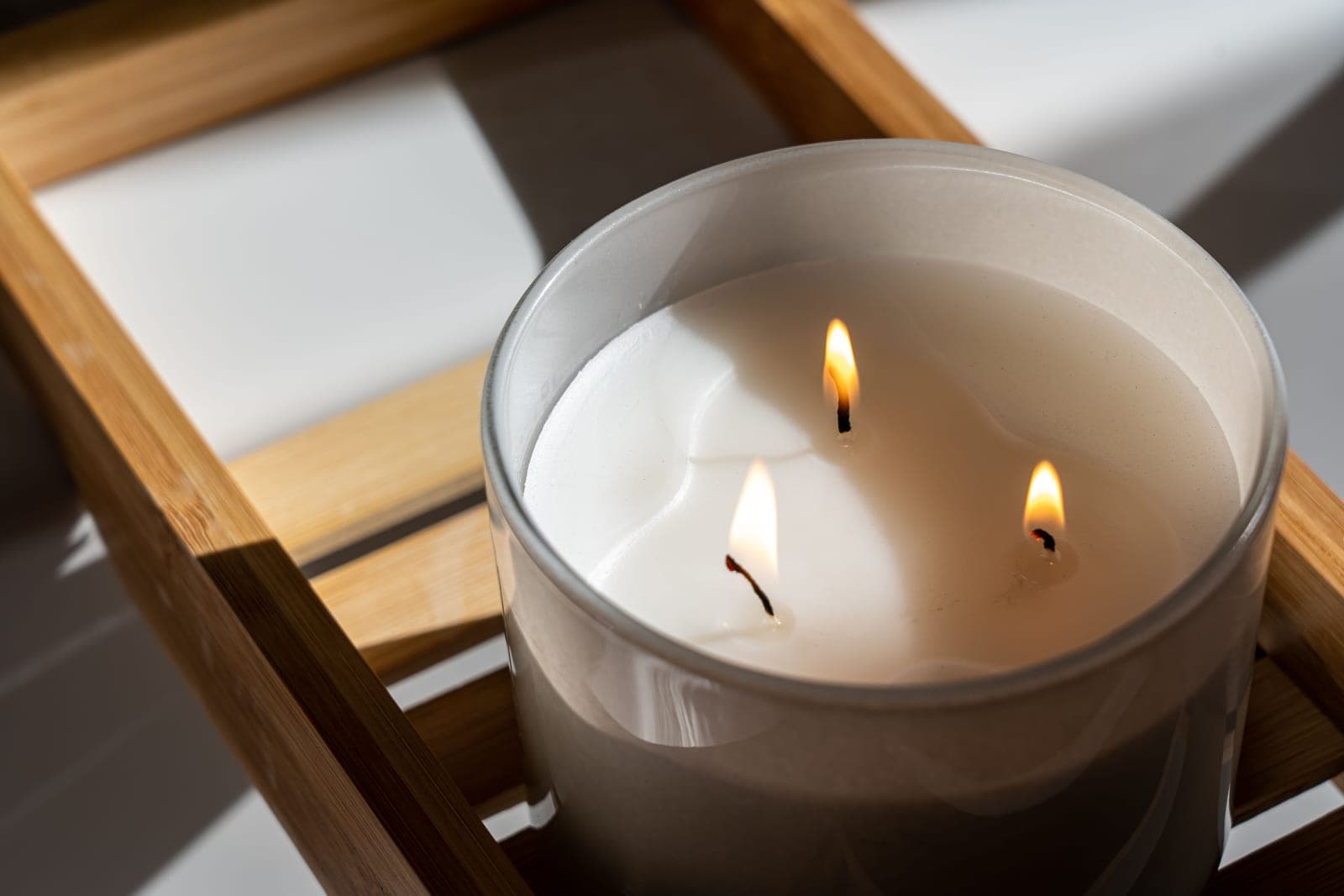
Lamps and lanterns for big three-wick jars, ranked on published width and height limits - plus why a plate warmer is the wrong tool above 12 oz.

Top pick: Bingyouth 3-Wick Lamp
Compared
The three electric warmer types side by side: running cost, throw, consumables, cleaning and where each belongs.
Guide
The taxonomy the rest of this hub hangs off: how each warmer type heats, what it takes as a consumable, and which one is not flame-free.

Guide
How to identify a replacement warmer bulb: base type first, wattage second, and why matching watts alone gets people the wrong bulb.
Guide
Spent wax, the wrong bulb, head height and an overloaded dish account for most warmer failures. Check them before you buy a replacement.

Guide
The mechanism: wax is a carrier, fragrance oil evaporates out of it, and temperature rather than heat decides how fast. Explains most of the complaints.
Guide
Head height, jar diameter, run time and the point where the wax is spent - set those four and the lamp does the rest.
Guide
Warm and absorb, cool and pop, or freeze - which one your warmer allows, plus the four things that damage a dish for good.
Guide
What a cordless warmer search actually returns, why the one listing claiming it never states a battery, and the three real answers to having no outlet.
Rated wattage. It decides running cost, it is a rough proxy for how hard a warmer throws, and most sellers in this category do not print it.
Of the ten warmers we index, four publish one. Three of those four are from Candle Warmers Etc., which is why that brand appears repeatedly in our picks - not brand loyalty, just what happens when you rank on documentation in a category that mostly has none. Not one of the five candle warmer lamps we index publishes a wattage, which means nobody can tell you what any of them costs to run.
The sharpest illustration is a pair from the same maker: two plate warmers, same size, same shape, same silicone dish, rated at 10 W and 24 W. You cannot tell them apart by looking, and one costs 2.4 times as much to run. The full arithmetic.
A bulb warmer heats from a lamp or a bulb inside the body. A plate warmer heats the dish directly with an element underneath. That single difference drives most of what you will notice day to day.
Conduction beats radiation for speed, so a plate warmer reaches working temperature faster and throws harder for its wattage. It also has no consumable at all - nothing to identify, nothing to source, nothing to be orphaned by. A bulb warmer runs the pool cooler, which gives a gentler throw and makes the same wax last longer, and it lights the room whether or not you wanted light.
Neither is better. They are different curves: strong-and-short against quiet-and-long. Pick the one that matches the room. All three formats side by side.
The most-searched anxiety in this whole category is some version of can I leave this on overnight. A published auto shut-off answers it in hardware rather than asking you to remember, and candle warmer lamps are the only format where that is standard rather than unusual.
Read the wording carefully though, because listings blur two different features. An auto shut-off is one-shot: it runs for the duration you set and then stays off. That is what you want on a nightstand. A cycle timer repeats every 24 hours, switching the warmer back on by itself - useful in a hallway you want scented before you get home, and arguably worse than no timer beside a bed.
And if you already own a warmer you like, a plug-in outlet timer gives any corded warmer the same shut-off for a few dollars, and it outlives the warmer. Timers compared.
Most warmers that seem broken are not. In order of how often each is the actual cause: the wax is spent (it still melts, it just has nothing left in it), the bulb has gone or is the wrong type, the head on a lamp is set too high, or the dish is overloaded.
That last one is counter-intuitive and common. A warmer delivers roughly fixed heat, so more wax means the same heat spread across a bigger mass and a cooler pool - and fragrance release depends on pool temperature. Three cubes in a 3.5 inch dish can genuinely produce less scent than two.
A genuine electrical fault is the least common of the five and the last thing to check. Work through it in order.