Compared
Wax melts vs candles
Nine axes compared in a table: flame risk, soot, cost per hour, throw, duration, cleanup - plus what a candle genuinely does better.
Melts against candles, diffusers, plug-ins and oil burners. Each one gets a table, an honest case for both sides, and a cost per hour.
There are five common ways to make a room smell of something: burn a candle, warm some wax, let oil evaporate off reeds, plug a refill vial into a socket, or spray. They are compared endlessly and almost always in prose, which is the wrong format for a decision with eight or nine axes.
So every page in this hub ships a table. Flame risk, soot, what is actually consumed, cost per hour, scent throw, control, cleanup, and what each format publishes about itself. Then two honest sections - when each side wins - rather than a straw man and a winner.
One thing you will notice: we are willing to say where wax melts lose. Candles publish burn times far more often than melts publish hours, and a flame is not a fragrance delivery mechanism people tolerate - for many it is the actual product. A comparison that never concedes anything is not a comparison.
Compared
Nine axes compared in a table: flame risk, soot, cost per hour, throw, duration, cleanup - plus what a candle genuinely does better.
Compared
Melts against reed and ultrasonic diffusers on control, cost and throw - plus the droplet distinction that matters in a cat household.
Compared
Refill economics, control and scent range compared - and the terminology trap between a plug-in warmer and a plug-in freshener.
Compared
Loose cubes in a dish versus a jar candle heated from above - which suits which situation, and where the two overlap.

Compared
The same ceramic burner sold for both, the flame question, and why oil-and-water is messier than wax for the same result.
Compared
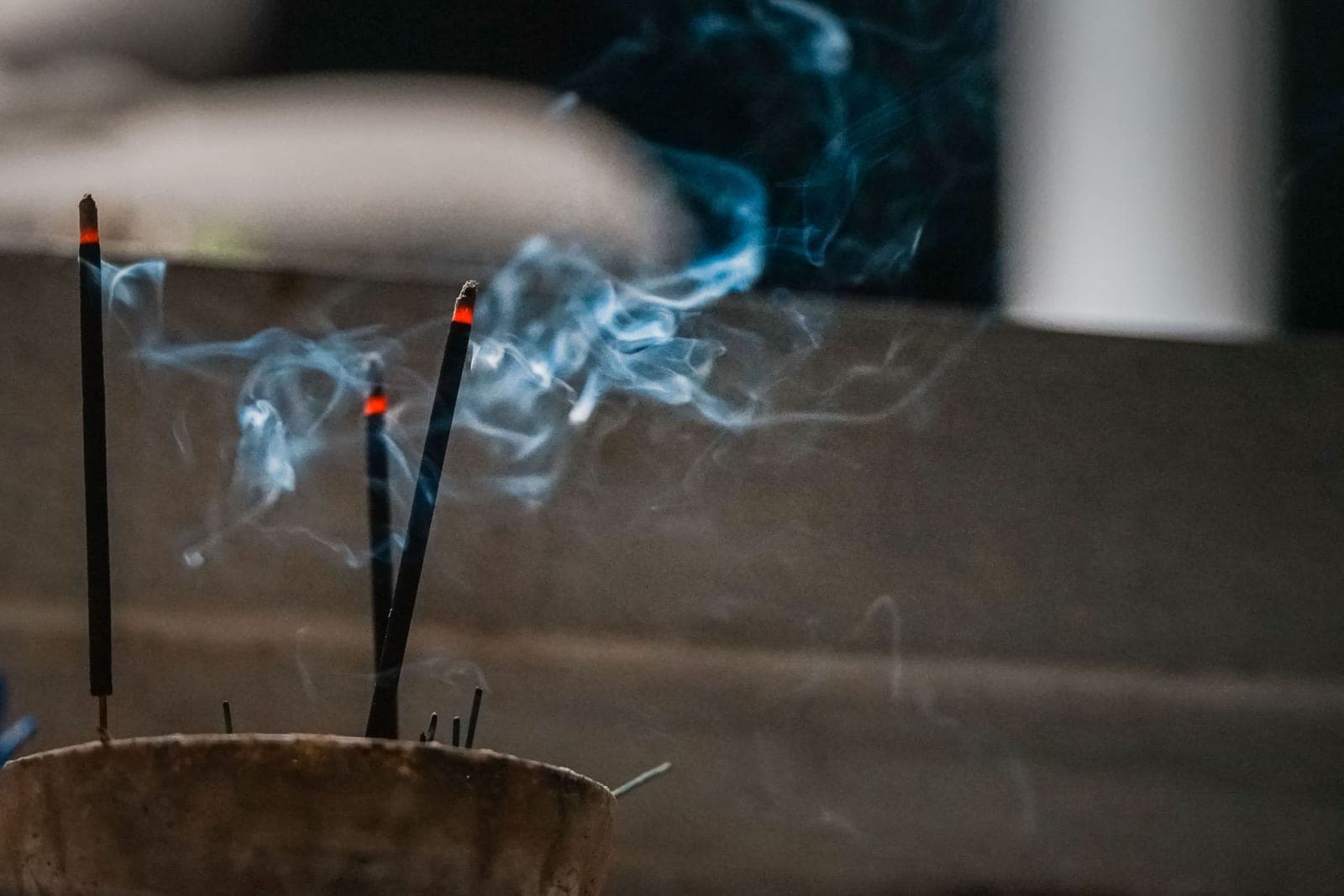
Incense burns and a wax melt does not. What that means for the air, the cost per session and the amount of control you get, with the measurements cited.
Compared
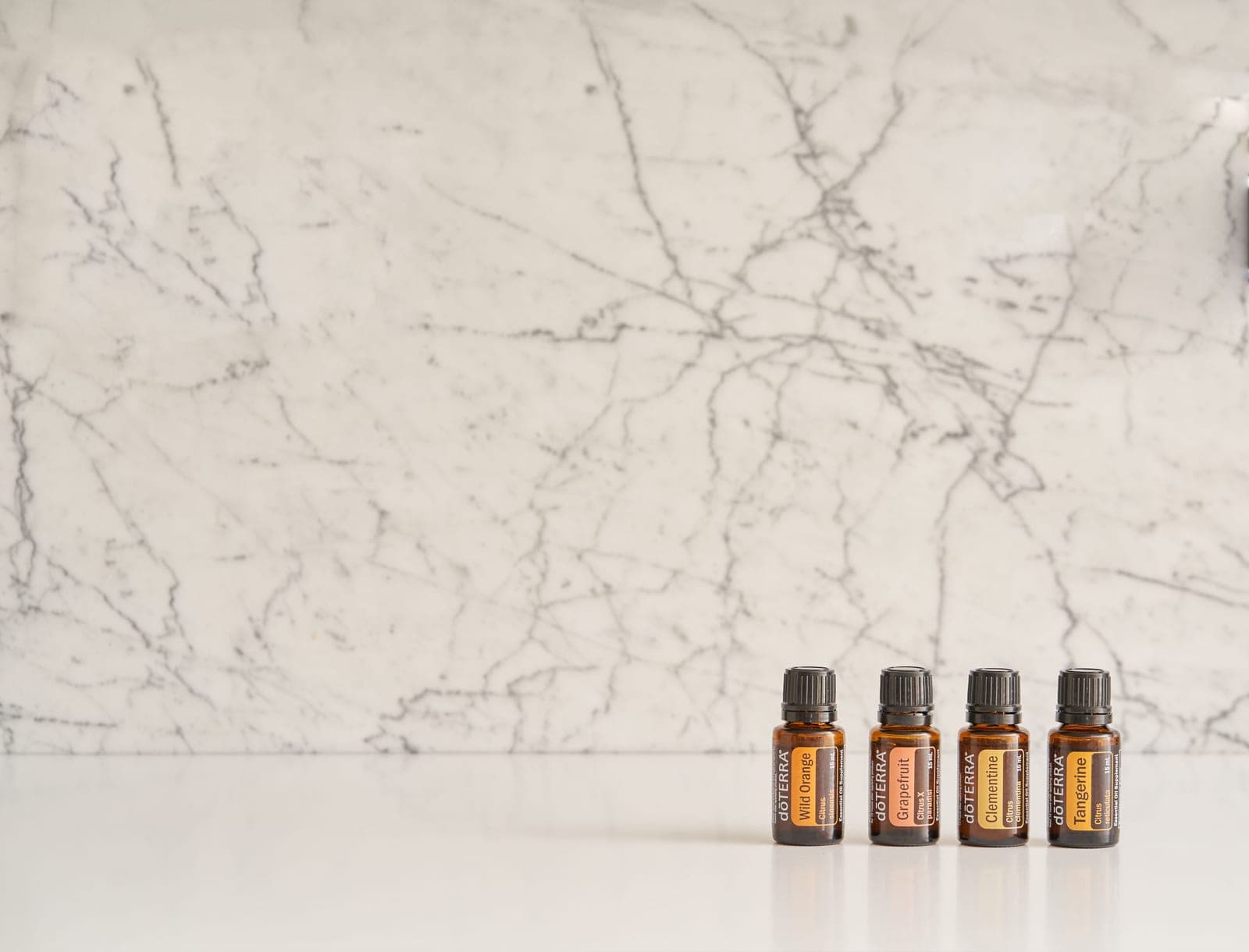
Melts against oils on control, cost and consistency, whether oils work in a warmer dish, and the cat distinction that outranks all of it.

Compared
The wax stops disappearing and the fragrance still runs out. What a warmer lamp changes about a jar candle, quoted from the maker's own FAQ.
Flame. Everything else on these pages is a preference; this one is usually a constraint that has already been decided by a cat, a toddler, a landlord, a dorm rule or a near-miss.
The NFPA states that candles are a cause of home fires and home fire deaths and recommends avoiding them in bedrooms and anywhere people may fall asleep. An electric warmer has no flame, no wick and burns nothing, so that specific hazard is removed rather than reduced.
The trap is that two products in this category still have a flame: a tealight wax burner and a traditional oil burner. They are frequently the same ceramic object sold under two names, with a candle underneath. If flame-free was your reason for being here, neither solves it, whatever goes in the dish. The oil burner comparison.
This distinction matters more than any per-unit price and it is rarely made.
A reed diffuser and a plug-in air freshener release continuously, whether or not anyone is home. That makes them cheap per day and wasteful per hour you actually enjoy them - a refill rated for six weeks is six weeks of calendar time, not six weeks of your evenings. If you are out ten hours a day, most of it scented an empty house.
Wax melts have the opposite shape. Nothing is spent while the warmer is off, so you pay only for hours you are there. Which of those is better value depends entirely on whether you want a hallway to smell consistent to anyone arriving at any hour, or a living room to smell of something between seven and ten. Melts against plug-in fresheners.
Two things, and we would rather write them down than have you find them later.
Duration disclosure. Most scented candles publish a burn time, and a candle visibly gets shorter as it is used. Most wax melts publish nothing - three of the five brands we index give no hours figure at all - and spent wax looks exactly like fresh wax. The candle category is simply better at telling you what you are buying and when it is finished. The melt category should be embarrassed about that.
The light. Nothing electric replicates a flame. A bulb warmer gives you warm electric light, which is a different thing and everybody can tell. If the candle is on the table for the atmosphere, a warmer is not a substitute and we are not going to pretend it is. It is a substitute when the fragrance was the point and the flame was the cost.
The relevant risk in a cat household is the fragrance rather than the device, and it is documented rather than speculative: cats lack liver enzymes needed to metabolize certain essential oils, and both the Pet Poison Helpline and VCA publish lists of the oils involved.
One mechanical distinction is worth carrying into this hub. Pet Poison Helpline separates passive diffusion from active diffusers - ultrasonic and nebulizing - which release actual microdroplets of oil that can settle on fur and be groomed off. A wax warmer evaporates fragrance rather than atomizing droplets, so that specific route does not straightforwardly apply to it.
That is not the same as calling a warmer safe, and we do not. It is a reason to read melts against diffusers differently from the other comparisons here, and to start with wax melts and cats.