Compare
Wax melts vs plug-in air fresheners
Two products that both live in a wall socket and work completely differently. The refill economics are the part nobody puts on the box.

Disclosure — we earn a commission if you buy through the links on this page, at no extra cost to you. It does not change which products we pick or what we say about them. We accept no samples and no sponsorship. How this site is funded.
The short answer
A plug-in air freshener is a sealed refill vial that releases continuously until it is empty - no control, proprietary refills, and a running cost that is all in the refills rather than the device. Wax melts give you dose, timing and any brand of wax you like, at the cost of changing it every day or two. First, though, a terminology trap worth clearing up.
The terminology trap
Two different products are both called plug-ins, and searches for one return the other constantly.
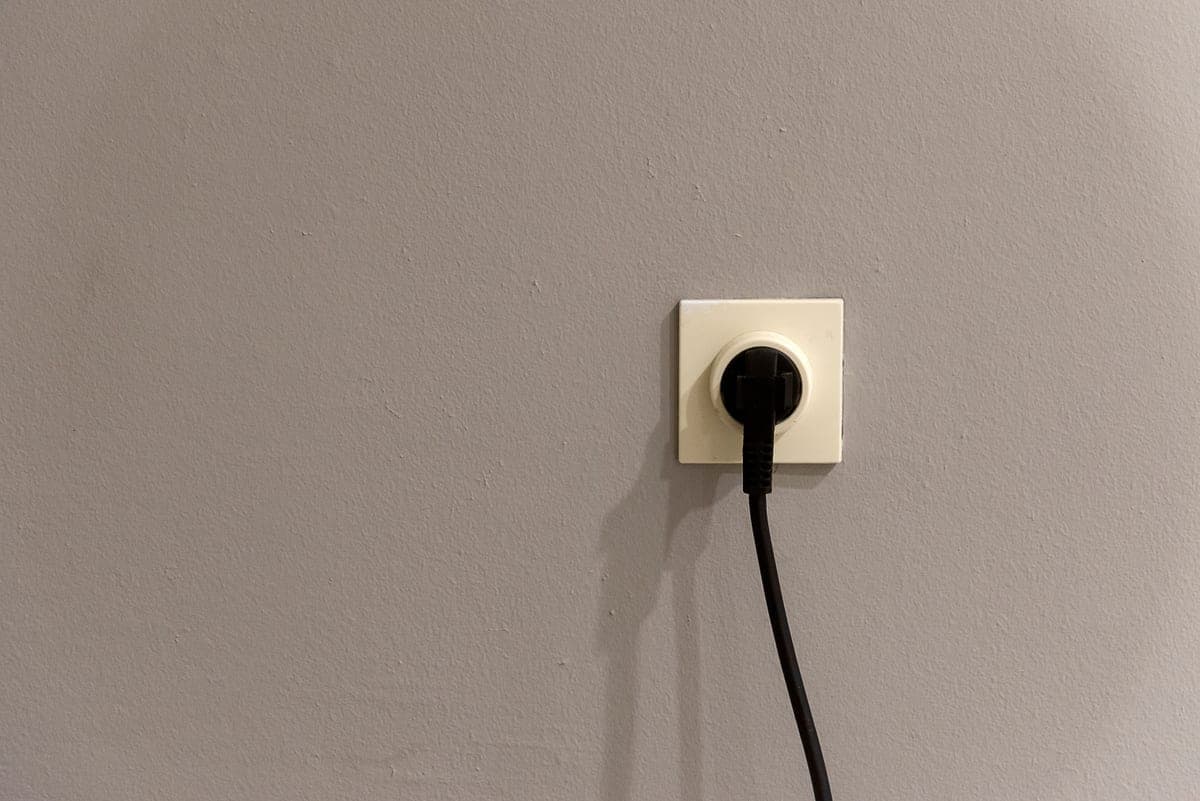
A plug-in air freshener is a sealed vial of fragrance oil in a body that plugs into a socket, typically heated or wicked, releasing continuously until empty. You buy refills from the same brand.
A plug-in wax warmer is a warmer that happens to plug into a socket instead of standing on a table. It has a dish, you put loose wax cubes in it, and it takes any brand. It is a wax melt product, not an air freshener.
This page compares wax melts with the first. If you wanted the second, it is on best plug-in wax warmers.
The table
| Wax melts | Plug-in air freshener | |
|---|---|---|
| Consumable | Any brand of wax that fits the dish | Proprietary refill vials |
| Locked to a brand? | No - an open format | Yes, in practice |
| Control | Dose, timing, instant scent change | An intensity dial at best |
| Runs when you are out | Only if you leave it on | Continuously until empty |
| Published duration | Rare - two of five brands we index | Usually stated in weeks per refill |
| Scent range | Very large - every wax brand on the market | Whatever that brand offers |
| Cost structure | Cheap hardware, wax as you go | Cheap or free device, refills forever |
| Space | A surface, unless you use a plug-in warmer | None - it lives in the socket |
| Ingredients published | Rarely, and some brands do publish wax type | Rarely |
The refill economics
The part that is never on the front of the box, and it is the razor-and-blades pattern.
The device is cheap, sometimes bundled free with a first refill. The money is in the refills, bought repeatedly, from that brand, for as long as you own it. Whether it works out expensive depends on refill price and how long one genuinely lasts - and at least the packs usually state a duration, which is more than most wax melts manage.
The structural problem is not the price, it is that it releases continuously whether or not anyone is home. A refill rated for six weeks is six weeks of calendar time, not six weeks of you enjoying it. If you are out ten hours a day, most of that refill is scenting an empty house.
Wax melts have the opposite shape: nothing is spent when the warmer is off. That is the real economic difference between the two formats, and it is worth more than any per-unit price comparison. Method for costing either on cost per hour of fragrance.
Where the plug-in freshener genuinely wins
- Total absence of effort. Fit it, forget it for weeks. No dish, no cooling, no scraping, no decision each evening.
- Continuous background scent. If you want a hallway to smell consistent to anyone arriving at any hour, continuous release is the correct behavior rather than a flaw.
- No surface needed. Though a plug-in wax warmer solves that too.
- They tell you how long a refill lasts. Genuinely better than most of the wax melt category, and we are not going to pretend otherwise.
Where wax melts win
- You are not locked to a brand. Any wax fits any dish. A discontinued refill line leaves a plug-in owner with hardware and nothing to put in it.
- You only pay for hours you are there. The single biggest practical difference.
- Scent range. Every wax brand on the market versus one manufacturer's catalog.
- Dose control. One cube or three, same product.
- Timers. Common on warmers, and you can add an outlet timer to any of them.
If both formats appeal, the compromise that actually works is a plug-in warmer: socket-mounted like a freshener, open-format like a melt. It takes one cube at a time and it has the smallest dish of any warmer type. Plug-in warmer picks.
Pets
The relevant consideration is the same for both formats and it is about the fragrance, not the device.
Pet Poison Helpline names specific essential oils as toxic to cats and explains that cats lack a liver enzyme needed to metabolize them. That applies to whatever is releasing the oil.
Neither category publishes much about composition, so neither is easy to check. Two practical points in the melt's favor: some wax brands do publish a wax type and a fragrance approach, and a warmer can be turned off, which a continuously releasing refill cannot. If you need the fragrance to stop, that is a real difference. Wax melts and cats.
Questions people actually ask
Are wax melts better than plug-in air fresheners?
For control and cost per hour of enjoyment, yes: nothing is spent when the warmer is off, any brand of wax fits, and you can dose to the room. Plug-ins win on effort - fit and forget - and, awkwardly for our side, they usually state how long a refill lasts while most wax melt brands publish no hours at all.
What is the difference between a plug-in wax warmer and a plug-in air freshener?
A plug-in wax warmer has an open dish that takes any brand of loose wax cubes and only releases fragrance while it is switched on. A plug-in air freshener uses sealed proprietary refill vials and releases continuously until empty. They both live in a socket and they are different products.
Are plug-in air fresheners expensive to run?
The device is cheap and the refills are the cost, bought repeatedly from one brand. The bigger issue is that a refill releases continuously whether or not anyone is home, so a six-week refill is six weeks of calendar time rather than six weeks of you enjoying it. A wax warmer spends nothing while it is off.
Which is safer around cats, wax melts or plug-in air fresheners?
The relevant risk is the fragrance rather than the device, and it applies to both. Pet Poison Helpline names specific essential oils as toxic to cats and explains the liver-enzyme reason. Two small points favor melts: some wax brands publish their composition, and a warmer can be switched off while a continuously releasing refill cannot.
Sources
Every factual claim on this page traces to one of these, or is labeled as an assumption. We have not tested these products - our method is on the methodology page.
- Essential Oils and Cats — Pet Poison Helpline. Retrieved September 2, 2026.
- Wax Melt FAQ — Happy Wax. Retrieved September 2, 2026.
Read next
Warmers
The best plug-in wax warmers, and the measurement to check before you buy
Plug-in wax warmers ranked on published bulb rating and projection depth, with the siting rules that matter more than the product.

Compare
Wax melts vs diffusers
Melts against reed and ultrasonic diffusers on control, cost and throw - plus the droplet distinction that matters in a cat household.

Running Costs
What an hour of fragrance actually costs
Wax plus electricity divided by published hours - the calculation that decides value, worked in full with its limits stated.

Safety
Are wax melts safe for cats?
The named oils, the metabolic reason cats are affected, the signs of exposure, and what to do - all cited to Pet Poison Helpline and VCA.

Running Costs
The cheapest way to keep a room smelling good
Five home fragrance formats costed per hour on the same basis, with what the shelf price hides in each case.