Running Costs
What an hour of fragrance actually costs
This is the site's core calculation. Wax plus electricity, divided by hours - and the reason three of the five brands we index cannot be measured at all.
The short answer
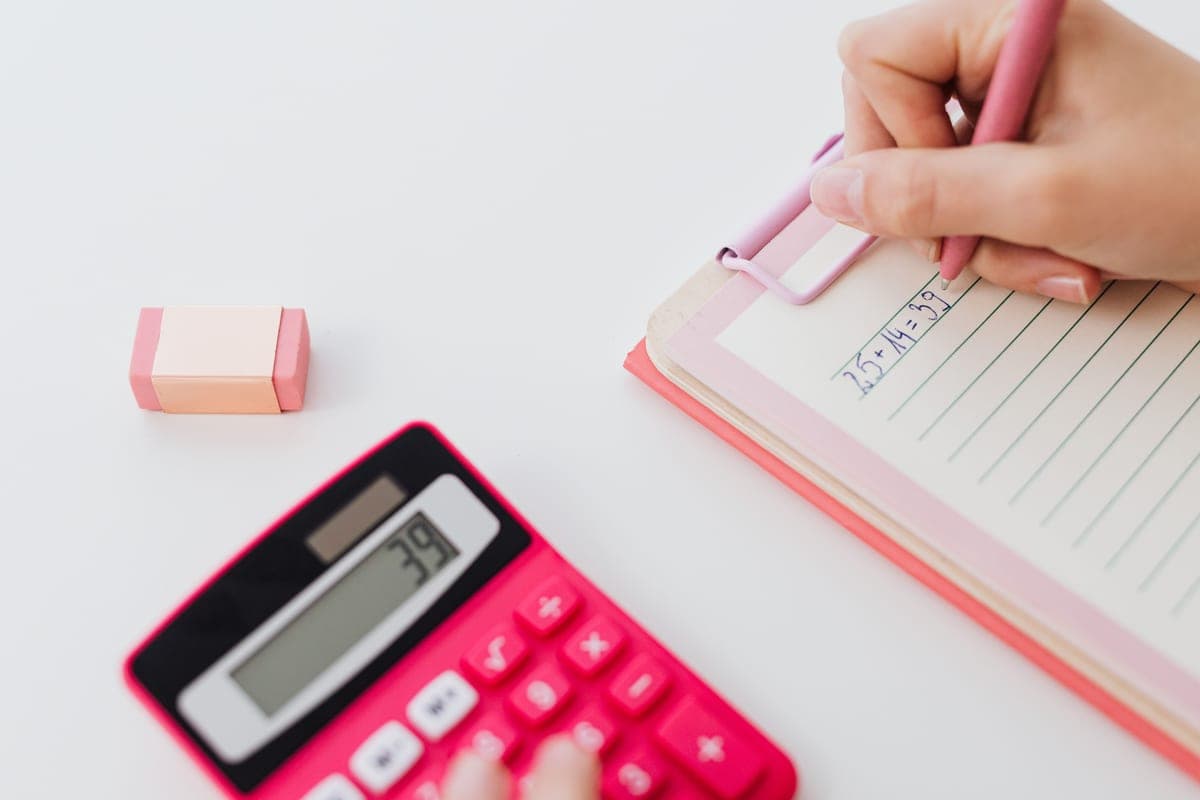
Cost per hour = (pack price ÷ published hours) + (warmer watts ÷ 1000 × your rate). The second term is almost always negligible: a 10 W warmer at 17 cents per kilowatt-hour adds about 0.17 cents an hour. The wax is the whole cost. And the calculation only works for brands that publish an hours figure - which is two of the five we index.
The two terms
The wax
Pack price divided by the maker's published hours. This is the term that dominates, and it is the one most brands make impossible to compute.
The electricity
Rated watts divided by 1000, times your cost per kilowatt-hour. That gives cost per hour directly. At 17 cents per kilowatt-hour:
| Rated power | kWh per hour | Cost per hour |
|---|---|---|
| 10 W | 0.010 | $0.0017 |
| 15 W | 0.015 | $0.0026 |
| 14 W | 0.014 | $0.0024 |
| 25 W | 0.025 | $0.0043 |
That is the honest finding of this page: the electricity is a rounding error. A four-hour evening on the most power-hungry warmer we index costs under two cents. Anyone worrying about the running cost of the device is optimizing the wrong term.
Worked in full
Using the published figures, on a 10 W plate warmer, at 17 cents per kilowatt-hour.
| Pack | Published hours | If it cost | Wax /hour | + power | Total /hour |
|---|---|---|---|---|---|
| Happy Wax 8 oz pouch | About 240 h | $24.00 | $0.100 | $0.0017 | $0.102 |
| Happy Wax 4 oz pouch | About 120 h | $14.00 | $0.117 | $0.0017 | $0.118 |
| Happy Wax 2 oz pouch | About 60 h | $8.00 | $0.133 | $0.0017 | $0.135 |
| Yankee 6 cubes, 2.6 oz | Up to 48 h | $6.00 | $0.125 | $0.0017 | $0.127 |
| Glade 6 count, 2.3 oz | 72 h (retail figure) | $4.00 | $0.056 | $0.0017 | $0.057 |
| Milkhouse 5.5 oz | Not published | $12.00 | Unknown | $0.0017 | Cannot be computed |
| Febreze 6 cubes, 2.75 oz | Not published | $5.00 | Unknown | $0.0017 | Cannot be computed |
Assumption, not a fact
Two assumptions in that table. 17 cents per kilowatt-hour for the power term - A round figure in the range US residential customers actually pay. Your own bill is the number that matters, and every formula on this site is written so you can substitute it. And the prices in column three are illustrative placeholders to show the arithmetic, not observed prices. The method is the deliverable here, not the numbers.
What the calculation exposes
Three things, and they are the reason this page exists.
Cheapest per pack and cheapest per hour are different products
A large pouch with a published 240 hours can beat a cheap six-cube pack on cost per hour despite costing three times as much on the shelf. Comparing shelf prices in this category tells you very little.
Most of the category cannot be measured
Three of the five brands we index publish no hours figure. A fourth publishes one that comes from retail listings rather than the manufacturer. Those products cannot be entered into a value comparison at all - not by us, not by you, not by anyone outside the company.
That is not a small gap. Hours is the denominator of the only calculation that matters, and its absence across most of the market is why we rank brands on documentation in the brands roundup.
The warmer barely matters financially
Under half a cent an hour, across the whole range. Buy a warmer on its timer, its dish, its bulb situation and whether it fits your shelf. The running cost is real but it is not a deciding factor between two warmers.
Against a candle
The comparison people actually want, and it is computable in the same way.
A candle has no electricity term but consumes its own wax, so the calculation is simply candle price divided by published burn hours. Most candles do publish burn time, which - notably - is more than most wax melts manage.
Two structural differences work in the melt's favor. A warmer heats the whole dish rather than only the pool around a wick, so more of the fragrance is released rather than being drawn into a flame and destroyed. And a candle warmer lamp lets you use a jar candle without consuming it at all, which changes that side of the arithmetic completely.
Full side by side, including the parts that are not about money, on wax melts vs candles.
Using this yourself
- Find the published hours. On the pack or the maker's site. If there is no figure, note that you are about to buy something whose value cannot be computed.
- Divide the price you actually pay by those hours. Not the list price - the one you paid.
- Add the power term if you want completeness. Watts ÷ 1000 × your rate. It will be under half a cent.
- Multiply by the hours you really run. A four-hour evening is the realistic unit, not a 24-hour day.
That gives a number you can compare across brands, pack sizes and formats. It is the only comparison in this category that survives contact with the arithmetic, and nothing on this page requires you to take our word for anything.
Questions people actually ask
How much does it cost to run wax melts?
The wax dominates and the electricity is a rounding error. A 10 W warmer at 17 cents per kilowatt-hour costs about 0.17 cents an hour to run - under two cents for a four-hour evening. The wax, using published hours, works out somewhere around 6 to 14 cents an hour depending on the brand and what you paid.
Are wax melts cheaper than candles?
Often, and it is computable rather than a matter of opinion: divide what you paid by the published hours on each side. Two things favor melts structurally - a warmer heats the whole dish rather than just the pool around a wick, and a candle warmer lamp lets you use a jar candle repeatedly without consuming it at all.
How do I compare wax melt brands on value?
Price divided by published hours. That single figure is comparable across pack sizes, cube counts and brands in a way shelf price is not. The catch is that most brands publish no hours figure, so they cannot be entered into the comparison - which is itself worth knowing before you buy.
Does the warmer's wattage affect what wax melts cost me?
Barely, financially - under half a cent an hour across the whole range we index. It does affect how fast the wax is used, because a hotter warmer drives fragrance out faster, so a high-wattage warmer costs you more in wax rather than in electricity. That is the real link between the two.
Sources
Every factual claim on this page traces to one of these, or is labeled as an assumption. We have not tested these products - our method is on the methodology page.
- Wax Melt FAQ — Happy Wax. Retrieved September 2, 2026.
- Electric Power Monthly, average retail price of electricity to residential customers — U.S. Energy Information Administration. Retrieved September 2, 2026.
Read next
Running Costs
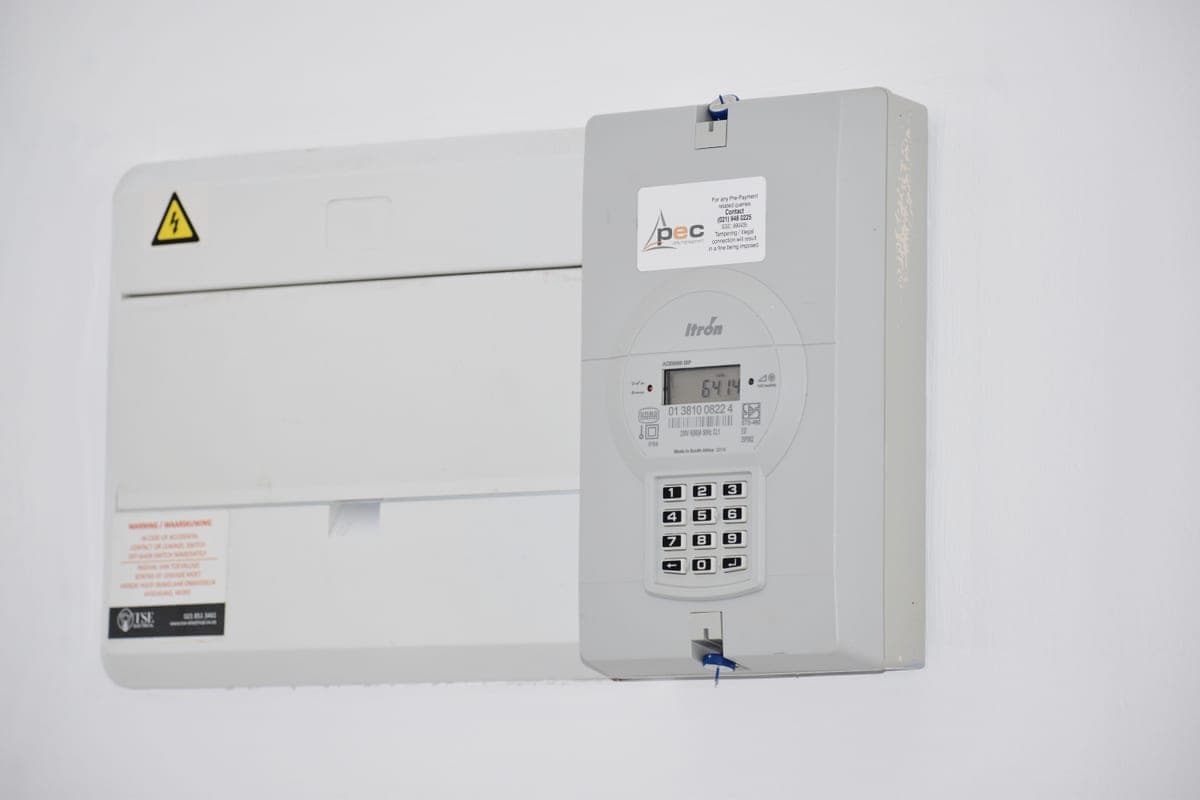
How much electricity does a wax warmer use?
The formula, a table by rated wattage, and every assumption labeled - so you can rerun it against your own tariff and your own hours.
Wax Melts
The longest-lasting wax melts, according to the only people who publish a number
Published durability figures compared, plus the four variables you control that affect how long a melt lasts more than the brand does.

Wax Melts
The best wax melt brands, ranked on what they are willing to tell you
Brands compared on documentation: who publishes wax type, hours and dosing, who publishes nothing, and where each is actually purchasable.
Compare
Wax melts vs candles
Nine axes compared in a table: flame risk, soot, cost per hour, throw, duration, cleanup - plus what a candle genuinely does better.
Running Costs
The cheapest way to keep a room smelling good
Five home fragrance formats costed per hour on the same basis, with what the shelf price hides in each case.