
Guide
Are wax melts safe?
The cluster head: fire risk, pets, children and air quality answered separately, with authorities named and the uncertainty stated.
The reason most people end up here. Direct answers first, then what the Pet Poison Helpline, VCA and the NFPA actually say, cited inline.
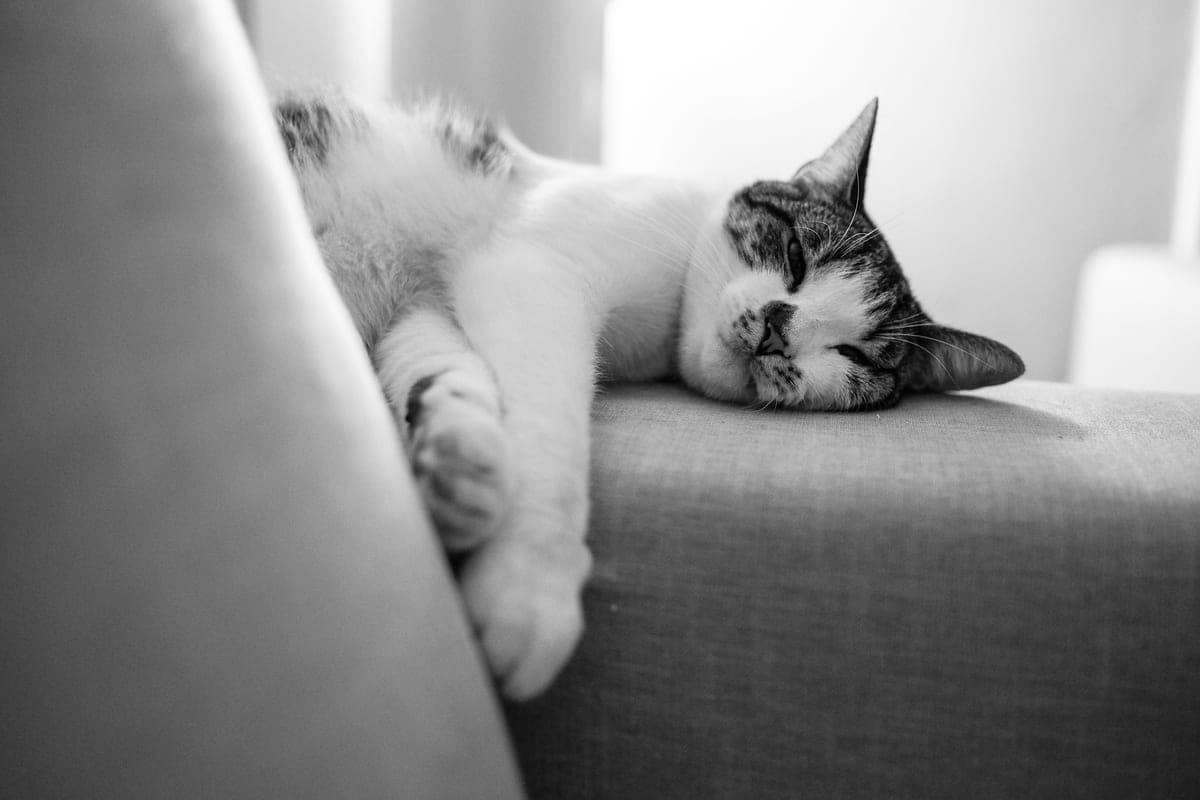
Most people arrive at wax melts through a safety question rather than a shopping one. A cat. A toddler. A landlord. A dorm rule. Something that once got too close to a curtain. The pages here answer those questions directly, in the first sixty words, with the authorities named in the sentence rather than buried in a footer.
Three things you should know about how this section is written. We cite the NFPA, Pet Poison Helpline and VCA by name and link at the point of the claim. We give no medical or veterinary advice and we never call a specific product safe - that is a judgment we are not qualified to make. And where the evidence is genuinely thin, we say so rather than picking whichever answer suits a sale.
Guide
The cluster head: fire risk, pets, children and air quality answered separately, with authorities named and the uncertainty stated.
Guide
The named oils, the metabolic reason cats are affected, the signs of exposure, and what to do - all cited to Pet Poison Helpline and VCA.
Guide
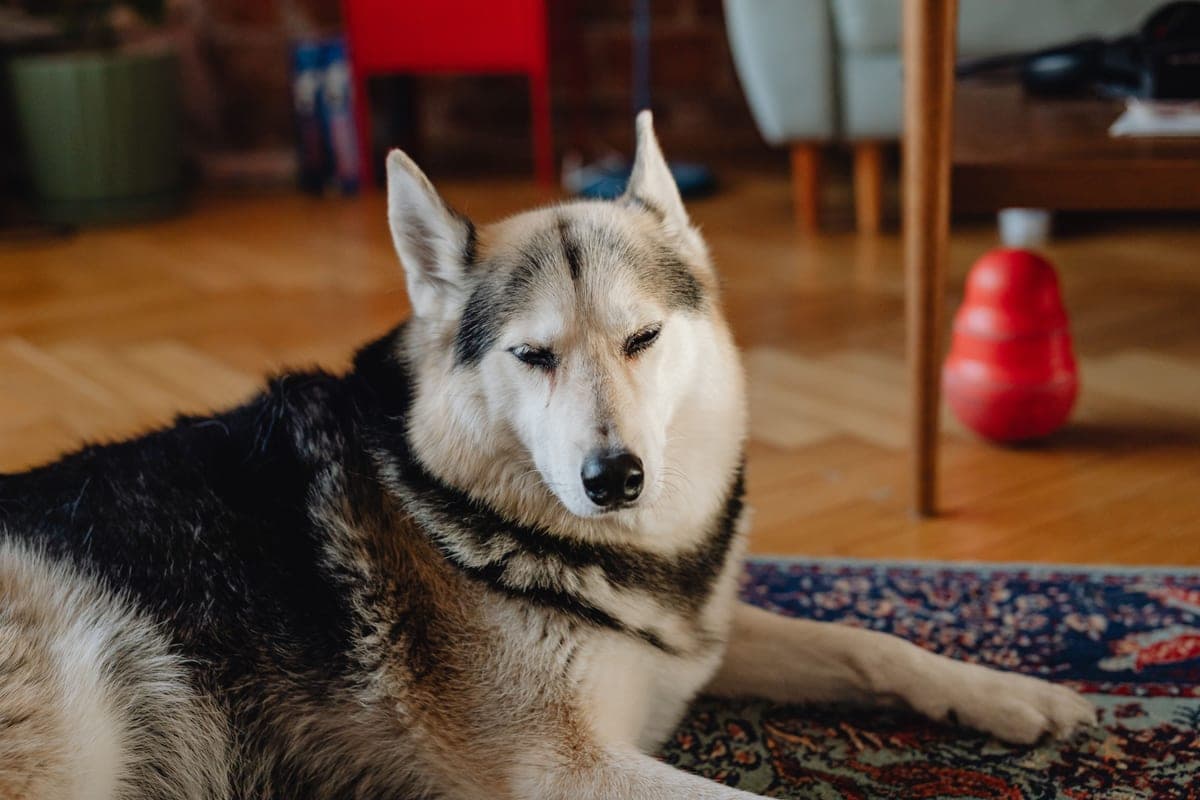
Why the dog risk profile differs from the cat one, what the authorities say, and why ingestion rather than inhalation is the realistic route.

Guide
A direct answer, the NFPA position on the flame version of the question, and the reason overnight running gives you nothing anyway.
Guide
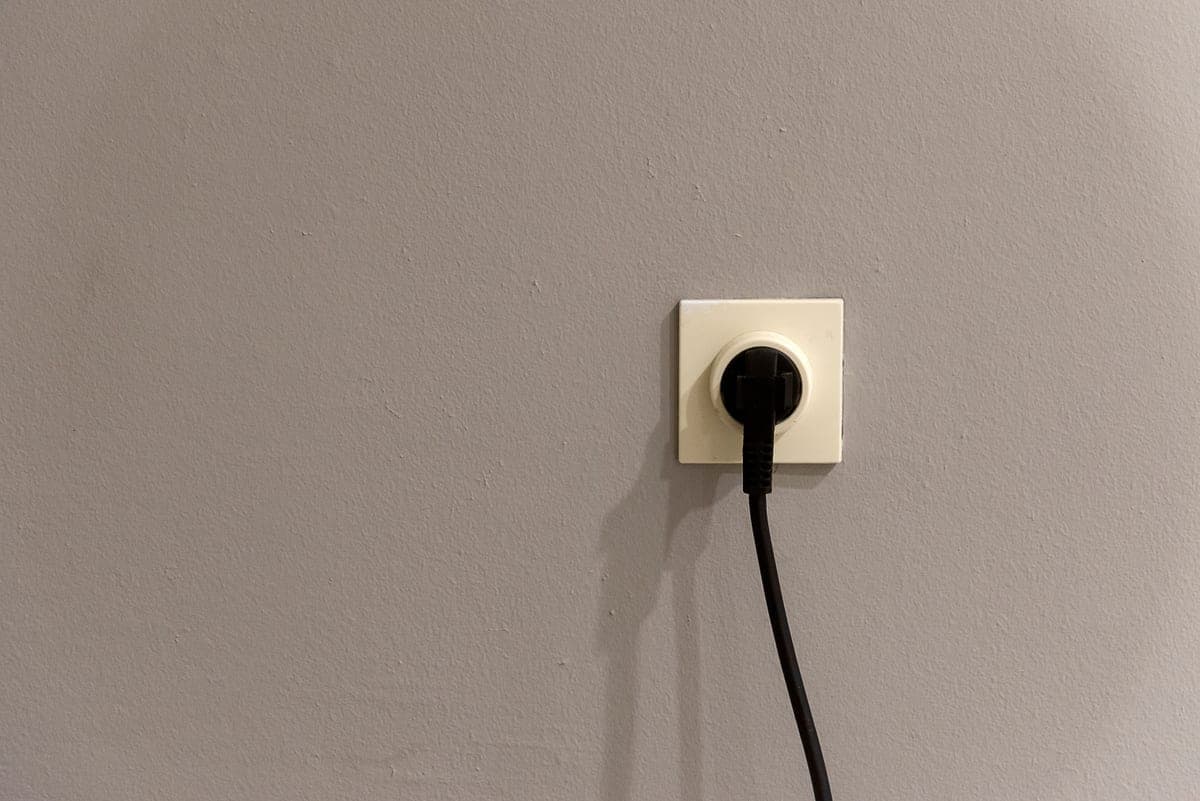
What a plug-in actually draws, where the real risks are, and the siting rules that matter more than which model you buy.

Guide
Burns, ingestion and fragranced air in a home with small children - with the third answered honestly rather than confidently.
Guide
What is established, what is candle research misapplied, and what remains genuinely unknown - with the uncertainty stated rather than resolved.

Guide
Eight campus housing policies quoted verbatim: five allow some kind of electric warmer, three ban every wax device, and the five disagree about which kind.
Guide
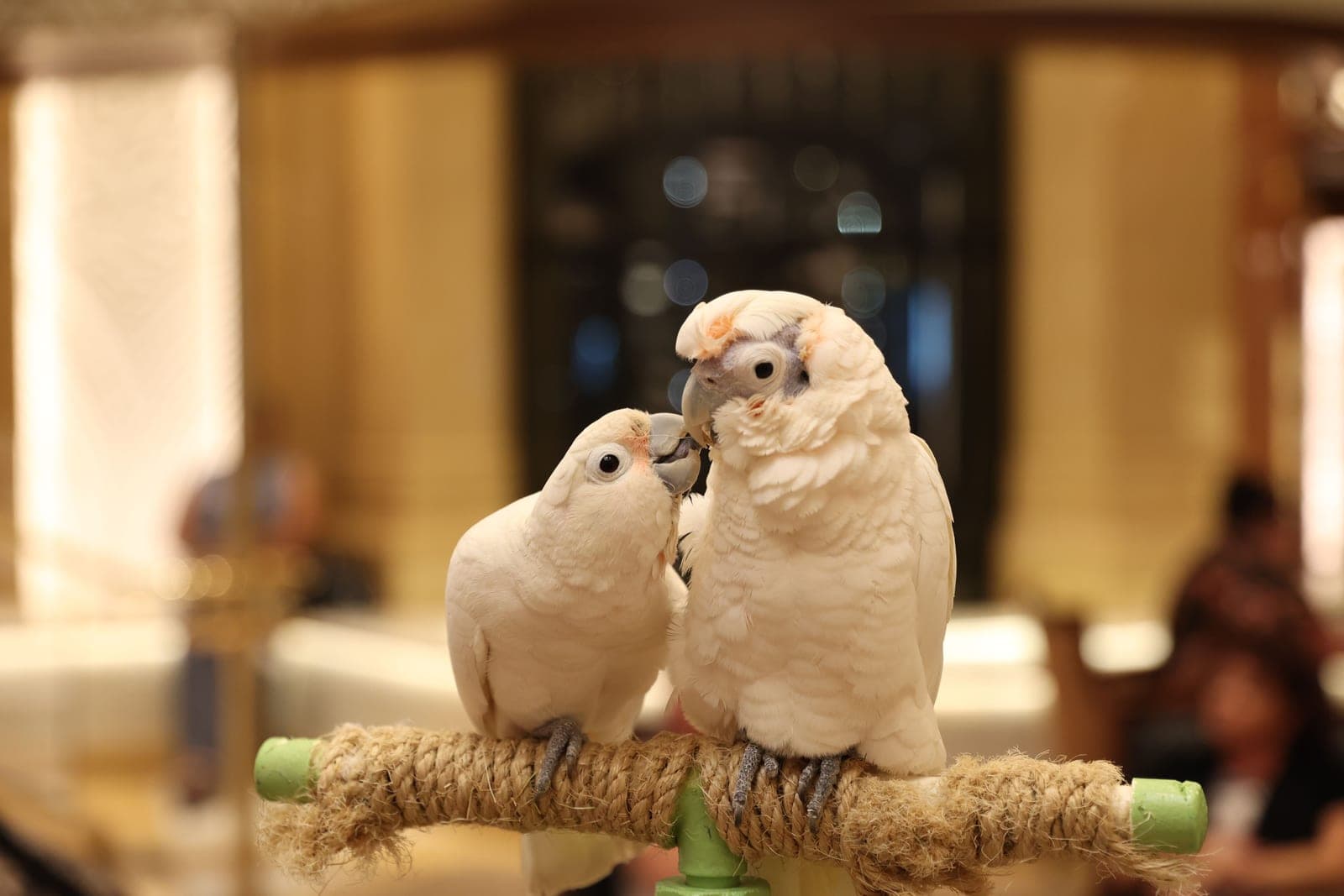
Not in a room a bird lives in. What VCA and Merck say about avian airways, the PTFE risk hiding in some warmers, and the honest alternative.
Guide
The CPSC recall record for this category, the four things that actually go wrong with a lamp, and the published specs that reduce each one.
Guide
There is no pet-safe certification. What the veterinary sources say, how cats, dogs and birds differ, and how to choose on disclosure instead of on a label.
An electric wax warmer has no flame, no wick, and nothing is burned. That removes the primary hazard of a scented candle outright rather than reducing it. The NFPA, which produces the US fire safety codes, is direct: candles are a cause of home fires and home fire deaths, and it recommends avoiding candles in the bedroom and other areas where people may fall asleep.
One exception matters and we repeat it everywhere. A tealight burner - the ceramic stand with a candle underneath a dish - is not an electric warmer. It is a candle, and the NFPA guidance applies to it exactly as it applies to a jar candle. We recommend one nowhere on this site.
An electric warmer is still a powered heating device left running unattended, so the ordinary precautions apply: away from curtains and paper, stable and back from an edge, and a published auto shut-off if it lives where you fall asleep. Overnight use and plug-in fire risk.
This is not general caution about pets. There is a mechanism, and both authorities describe it. Pet Poison Helpline states that "cats lack an essential enzyme in their liver and as such have difficulty metabolizing and eliminating certain toxins like essential oils", and adds that cats are particularly sensitive to phenols and phenolic compounds. VCA describes the same deficiency.
The named oils: wintergreen, sweet birch, citrus (d-limonene), pine, ylang ylang, peppermint, cinnamon, pennyroyal, clove, eucalyptus and tea tree. Read that against how home fragrance is actually sold - citrus as clean, pine at Christmas, cinnamon and clove in autumn, peppermint and eucalyptus across the whole bathroom category - and the overlap is very large.
The risk is the fragrance, not the warmer. A 10 W warmer with a published shut-off melting a wax containing an oil on that list is a worse choice for a cat household than any warmer melting something that is not. The full page, with signs and what to do.
Long-term indoor air quality. Most pages on this subject will tell you confidently that wax melts are either perfectly safe or quietly harmful, and we are not going to do either.
What is clear: warming any fragranced product releases volatile organic compounds into indoor air - that is how you smell it. Also clear: a melt is not burned, so the soot and combustion by-products that dominate scented-candle research are not produced. A great deal of writing about wax melt safety is candle research transplanted onto a product that does not burn.
What is not clear is what sustained daily exposure to warmed fragrance does over years. The research is thinner than the confidence of most writing about it, and no maker publishes a fragrance composition, so no specific product can be evaluated anyway. Being the site that says the evidence is thin here is a position we are comfortable with. The proportionate response is cheap: ventilate, use less, and do not run a warmer continuously in a small closed room. The full version.
No product on this site is described as safe for cats, safe for pets, or pet-safe. That last phrase has no standard behind it - no certification body issues it, no regulation defines it, and neither authority we cite endorses products. A brand can print it because it likes the sound of it.
We also do not rank warmers by a safety certification, because we could not verify one for any warmer we index and ranking on unverifiable claims would be making it up. What we rank on instead is four things that genuinely reduce risk and are published: no open flame, a stated auto shut-off, a low rated wattage, and a body that sits on a surface rather than projecting from a wall. Ranked on that basis.
If you think a pet has been exposed, the Pet Poison Helpline is on (855) 764-7661, 24 hours. A vet with the animal in front of them is worth more than any page, including this one.