Safety
Are plug-in wax warmers a fire hazard?
The device draws about as much as a phone charger. The risk that does exist is about where you put it, and that is entirely within your control.
The short answer
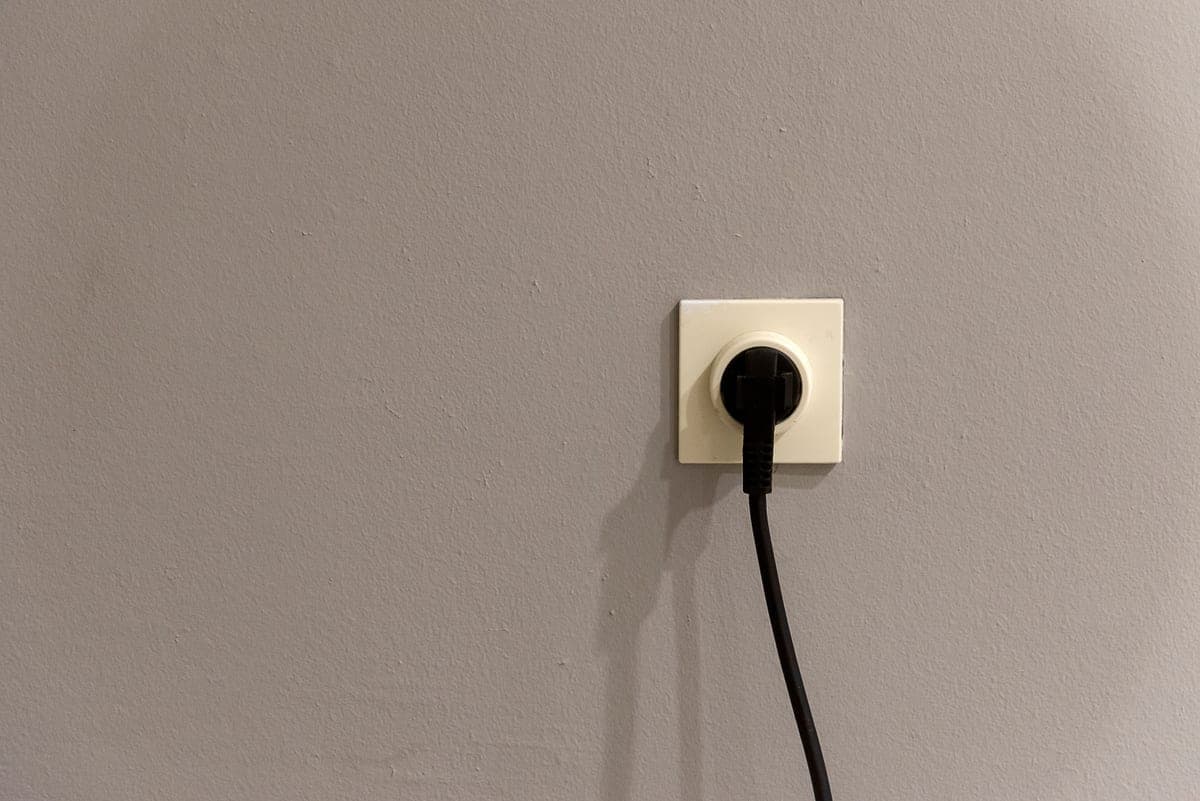
Not in the way people mean. A plug-in wax warmer typically draws 15 W to 25 W - about a phone charger - and has no flame. What genuine risk exists is about siting: a warm object projecting several inches from a socket, often behind furniture, often out of sight, running for hours. Put it where you can see it, not behind a sofa, not at floor level in a walkway, and not sharing an outlet with a high-draw appliance.
The actual numbers
It helps to put the device in proportion before discussing risk.
The plug-in we index publishes 25 W at 120 V. That is a current draw of about 0.2 A. A standard US household circuit is rated at 15 A. The warmer uses somewhere around one per cent of the circuit's capacity.
For comparison, a hair dryer is typically 1,500 W - sixty times as much. A space heater is more. A phone charger at full tilt is in the same range as the warmer.
So the electrical load itself is not a plausible cause of an overloaded circuit. That is worth knowing, because it redirects your attention to where the risk actually is.
Where the real risks are
Position, which is the main one
A plug-in warmer projects out from the wall - the one we index stands 4.5 inches proud - and it gets warm by design. Put that behind a sofa pushed against the wall, behind a curtain, or under a hanging coat, and you have a warm object in contact with fabric, out of sight, for hours.
That is the scenario worth avoiding, and it has nothing to do with which model you bought.
Physical damage from being knocked
At ankle height in a hallway, a projecting warmer gets kicked. In a bathroom it gets caught by a towel. A cracked ceramic body or a partly pulled plug is a genuine problem in a way the running device is not.
The socket itself
Old, loose or damaged outlets are a real hazard with any appliance. A plug that feels loose, a socket that is discolored, or a faceplate that is warm to the touch when nothing is drawing much current - those are electrical problems that need an electrician, not warmer problems.
Spilled wax
Less dramatic and much more common. A knocked plug-in spills hot liquid wax down a wall and possibly into the socket below it. Unplug at the wall and let everything cool completely before cleaning.
Where to put one, and where not to
| Position | Verdict | Why |
|---|---|---|
| Hallway or landing socket at waist height | Good | Visible, unobstructed, nothing to catch on it. The format's natural home. |
| Bathroom socket, clear of towels | Good, with care | Fine electrically. Keep towels and hanging fabric well away. |
| Kitchen socket above the counter | Good | Visible and clear, as long as it is not beside a hob or under a cupboard edge. |
| Behind a sofa or bed | Avoid | Out of sight, likely fabric contact, and you would not notice a problem. |
| Floor-level socket in a walkway | Avoid | It projects 4.5 inches into the room and will eventually be kicked. |
| Behind a curtain | Avoid | Warm object in continuous contact with hanging fabric. |
| An extension lead or power strip | Avoid | Not because of this device's load, but because a warm projecting object on a strip on the floor is a poor arrangement. |
How it compares with the alternative
Worth stating clearly, because it is the comparison that brought most people here.
A plug-in wax warmer has no flame, burns nothing and produces no soot. A scented candle in the same room has an open flame. The NFPA is specific that candles are a cause of home fires and home fire deaths and advises against them in bedrooms and anywhere people may fall asleep.
On fire risk, a plug-in warmer is the safer product by a wide margin. The correct response to worrying about a plug-in is not to go back to a candle.
If a plug-in still does not sit right with you - and "I would rather see it" is a perfectly good reason - a corded warmer on a surface gives you the same flame-free result somewhere you choose. See our warmer picks.
Sensible practice
- Somewhere you can see it. The single most useful rule.
- Not behind furniture, curtains or hanging fabric.
- Not at ankle height in a walkway.
- Directly into a wall socket, not an extension lead on the floor.
- Unplug it if you are away for days. Ordinary practice for any unattended heating device.
- Check the socket occasionally. A faceplate that is warm, a plug that feels loose or any discoloration is an electrical issue - call an electrician.
- Working smoke alarms on every level, which the NFPA recommends regardless.
- Check the rule before the socket, if you are in campus housing. Plug-in warmers are named specifically in several dorm and rental policies, and some of those ban the format outright.
Questions people actually ask
Are plug-in wax warmers a fire hazard?
Not in the way people usually mean. They typically draw 15 W to 25 W - about a phone charger - and have no flame, so the electrical load is around one per cent of a standard household circuit. The risk that does exist is about siting: a warm object projecting several inches from a socket, behind furniture or out of sight, running for hours.
How much electricity does a plug-in wax warmer use?
Typically 15 W to 25 W. The one we index publishes 25 W at 120 V, which is a draw of about 0.2 A against a 15 A circuit. Run six hours a day at 17 cents per kilowatt-hour that is roughly $9 a year; left running continuously it is roughly $37.
Can you leave a plug-in wax warmer on all the time?
No manufacturer advises leaving one running unattended indefinitely, and there is no fragrance benefit - the wax stops throwing scent within hours while the warmer keeps heating an inert disc. Unplug it if you are away for days, and if you want it running while you are out, put it on a plug-in outlet timer.
Where should you not put a plug-in wax warmer?
Behind a sofa or bed, behind a curtain, at floor level in a walkway, anywhere it touches hanging fabric, and on an extension lead on the floor. The common thread is out of sight or in contact with something. Waist height on an unobstructed wall is the format's natural home.
Are plug-in wax warmers safer than candles?
On fire risk, clearly yes. A plug-in has no flame, burns nothing and produces no soot, while the NFPA is specific that candles are a cause of home fires and home fire deaths and advises against them in bedrooms and anywhere people may fall asleep. If a plug-in makes you uneasy, the answer is a corded warmer on a surface rather than a return to candles.
Sources
Every factual claim on this page traces to one of these, or is labeled as an assumption. We have not tested these products - our method is on the methodology page.
- Safety with candles — National Fire Protection Association (NFPA). Retrieved September 2, 2026.
- Electric Power Monthly, average retail price of electricity to residential customers — U.S. Energy Information Administration. Retrieved September 2, 2026.
Read next
Warmers
The best plug-in wax warmers, and the measurement to check before you buy
Plug-in wax warmers ranked on published bulb rating and projection depth, with the siting rules that matter more than the product.

Safety
Can you leave a wax warmer on overnight?
A direct answer, the NFPA position on the flame version of the question, and the reason overnight running gives you nothing anyway.

Safety
Are wax melts safe?
The cluster head: fire risk, pets, children and air quality answered separately, with authorities named and the uncertainty stated.
Running Costs
How much electricity does a wax warmer use?
The formula, a table by rated wattage, and every assumption labeled - so you can rerun it against your own tariff and your own hours.

Warmers
The five types of wax warmer, and how to tell them apart
The taxonomy the rest of this hub hangs off: how each warmer type heats, what it takes as a consumable, and which one is not flame-free.

Safety
Are wax warmers allowed in dorms? What eight housing policies actually say
Eight campus housing policies quoted verbatim: five allow some kind of electric warmer, three ban every wax device, and the five disagree about which kind.