Warmers
The five types of wax warmer, and how to tell them apart
Every warmer sold in the US is one of five things. They heat differently, cost different amounts to run, and exactly one of them involves an open flame.
The short answer
There are five: the candle warmer lamp (a bulb above a dish, heating from the top down), the plug-in (a bulb in a body that sits in a wall outlet), the electric dish warmer (a hot plate under the dish, no bulb), the tealight burner (an actual candle under a dish) and the battery or cordless warmer. Only the tealight burner has an open flame. If you are here because you have ruled out candles, that is the one to rule out too.
Why the type matters more than the brand
Warmer listings are written as if the only variables are color and price. They are not. The type decides three things you will live with every day: how fast scent comes up, what the thing costs to run, and what you have to replace when it stops working.
A bulb warmer and a plate warmer can sit side by side on a shelf looking near identical and behave completely differently. The bulb warmer heats gently from above, takes longer to get a cube throwing, lights the room whether you want light or not, and will eventually need a bulb you have to identify correctly. The plate warmer heats the dish directly, comes up to temperature faster, throws harder, and has no consumable at all.
None of that is on the box. It is a property of the category, which is why this page exists before any of our roundups do.
The five types
| Type | How it heats | Consumable | Flame-free? |
|---|---|---|---|
| Candle warmer lamp | A bulb in a shade above the dish, heating from the top down. Usually height-adjustable so it works on a jar candle or a dish of melts. | Bulb | Yes |
| Plug-in wall warmer | A low-wattage bulb inside a body that plugs directly into a wall outlet. No cord, no table space. | Bulb | Yes |
| Electric dish warmer | A heating element under the dish. Direct conduction rather than radiant heat from a bulb. | None | Yes |
| Tealight burner | An actual tealight candle in a chamber below a ceramic or glass dish. | Tealights | No - open flame |
| Battery or cordless | A low-power element run from cells or a rechargeable pack. Built for places with no outlet. | Batteries or charge | Yes |
Candle warmer lamp
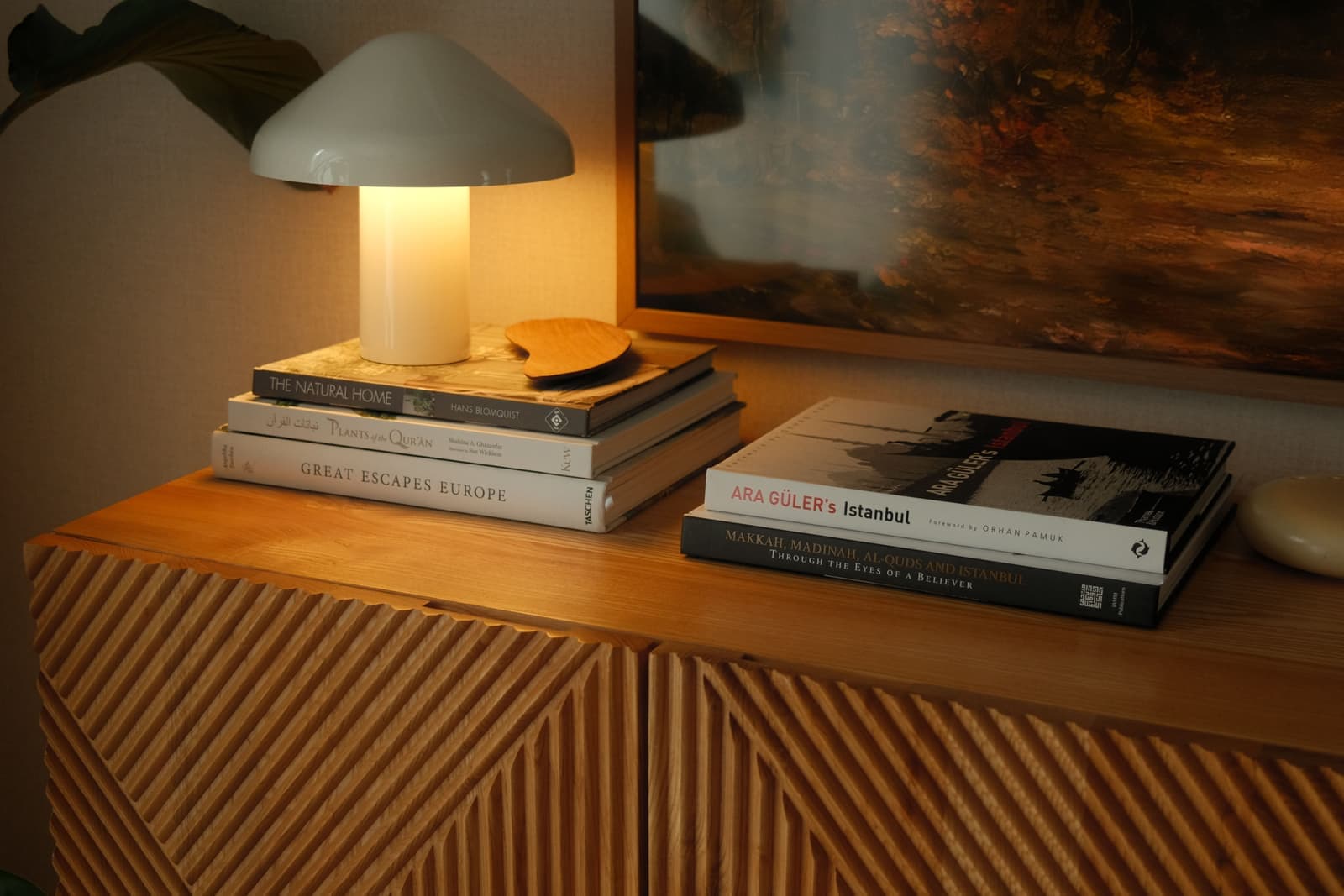
The format that has taken over the category. A bulb sits in a shade on an adjustable stem and heats what is underneath it from above, which means the same lamp handles a jar candle, a tin, or a dish of loose cubes. Most publish a timer.
The spec to check is the head-height range against the actual jar you own. Our lamp picks list it where the maker publishes it, and say so where they do not.
Plug-in wall warmer
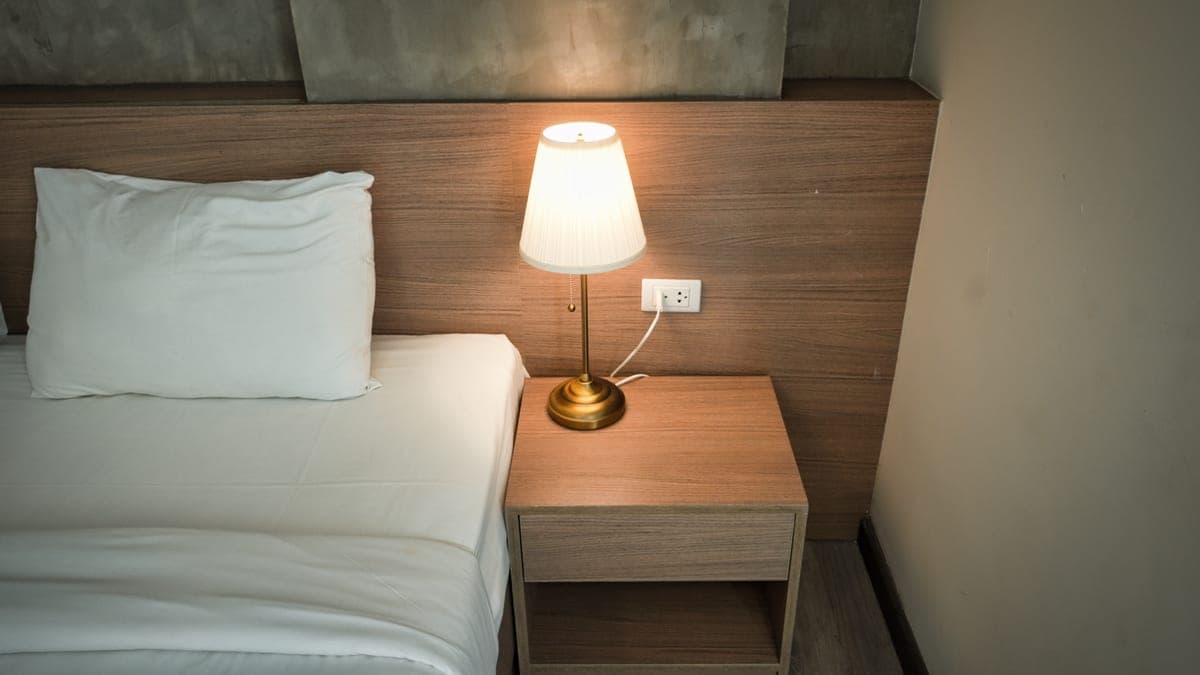
A bulb in a small ceramic or glass body that lives in the outlet. It occupies no surface, has no cord to trail, and doubles as a night light. It also has the smallest dish of any type, which means one cube at a time and more frequent changes.
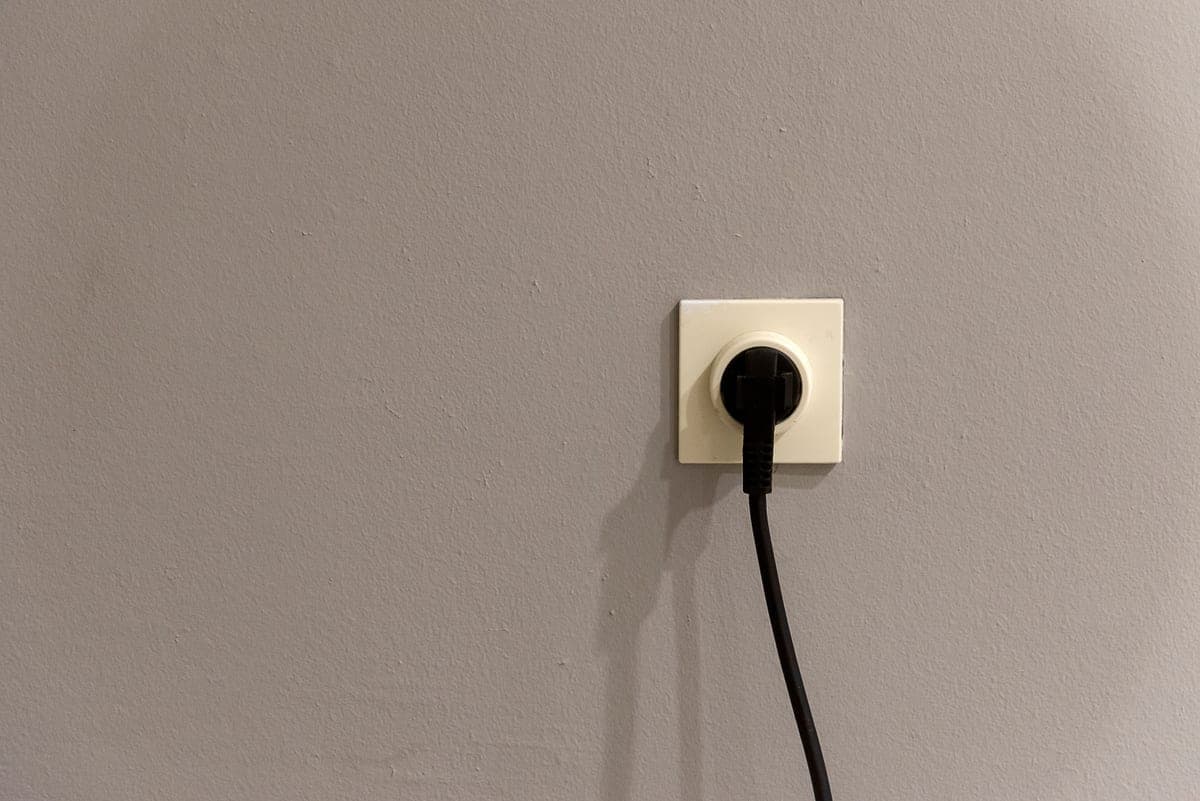
The practical constraint is physical: a plug-in projects several inches out from the wall and it gets warm. That is fine at head height in a hallway and worth thinking about behind a sofa. See plug-in warmers and fire risk.
Electric dish warmer
A hot plate under a ceramic or silicone dish. No bulb, so nothing to replace and no light. Because the heat is conducted rather than radiated, a plate warmer reaches working temperature faster and holds it more evenly than a bulb of the same wattage.
It is also where the biggest published wattage spread in this whole category lives. We index two warmers from the same maker, the same size and the same shape, rated at 10 W and 14 W. That is a 40 per cent difference in running cost for products that look like each other.
Tealight burner
A ceramic or glass stand with a chamber underneath for a tealight and a dish on top. It is cheap, it needs no outlet, and it is beautiful in a way electric warmers rarely manage.
It is also the one type here that is not flame-free. If you arrived at wax melts because of a pet, a rental agreement, a dorm rule, a child or a near-miss, a tealight burner does not solve the problem you were solving. It is a candle with a dish on top of it. We do not recommend one anywhere on this site, and that is a deliberate position rather than an oversight.
Battery and cordless
Built for a shelf with no outlet, a bathroom, a camper, a desk. The trade-off is inherent: a warmer running on cells cannot dissipate anything like the power of a mains warmer, so the dish runs cooler and the throw is correspondingly smaller.
The larger problem is that the category is almost empty. We have checked the market three times and found no genuinely battery-powered warmer with both a stated runtime and a live offer - what actually exists, and what to buy instead.
What each type costs to run
Warmers are low-power devices, so the honest headline is that none of them will change your bill much. That is worth saying plainly, because the category is full of vague energy-efficiency language that never resolves into a number.
Here is the number. Running at six hours a day for a year, at 17 cents per kilowatt-hour:
| Rated power | kWh per year | Cost per year | Typical of |
|---|---|---|---|
| 10 W | 21.9 | $3.72 | The lowest-rated plate warmer we index |
| 15 W | 32.9 | $5.59 | Small plug-in night-light warmers |
| 14 W | 30.7 | $5.21 | A mid-size plate warmer |
| 25 W | 54.8 | $9.31 | Bulb warmers and most plug-ins |
Assumption, not a fact
17 cents per kilowatt-hour is an assumption, not a fact about your house. A round figure in the range US residential customers actually pay. Your own bill is the number that matters, and every formula on this site is written so you can substitute it. Six hours a day is also an assumption - it is a long evening, every day, which is more than most people actually run a warmer.
The full derivation, including how to substitute your own tariff, is on how much electricity a wax warmer uses.
Choosing between them
- You want a timer and you fall asleep. Candle warmer lamp. It is the only type where a published auto shut-off is standard rather than unusual.
- You have no surface to spare. Plug-in. Accept the small dish.
- You want the cheapest thing to run and nothing to replace. Electric dish warmer, and check the printed wattage rather than assuming.
- You want a strong throw in a large room. A higher-wattage dish warmer, more wax, and realistic expectations. See the room size guide.
- There is no outlet. Battery, knowing the throw will be smaller.
- You want it to look like an object rather than an appliance. A lamp, or a tealight burner - and if the reason you are on this site is that you have ruled out flames, not the tealight burner.
Questions people actually ask
Which type of wax warmer is safest?
Any of the four electric types is a lower fire risk than a tealight burner, because none of them involves an open flame. Between the electric types the meaningful differences are whether the model publishes an auto shut-off timer and where you intend to site it. A plug-in in a walkway and a lamp on a crowded nightstand are both worse choices than the same product somewhere sensible.
Do electric dish warmers work without a light bulb?
Yes. An electric dish warmer heats the dish with an element underneath rather than a bulb above, so there is no bulb to buy and no light. That is the main reason people choose them, along with the fact that they reach working temperature faster than a bulb warmer of similar wattage.
Can you use wax melts in a candle warmer lamp?
Usually yes, if you put them in a suitable dish or tin rather than loose on the base. A candle warmer lamp heats from above, so it will melt cubes in a shallow dish placed under the head. Check the head-height range: set too high, the wax never reaches pool temperature.
What is the difference between a wax warmer and a wax melter?
Nothing consistent. Wax warmer, wax melter, wax melt burner, tart warmer and fragrance warmer are all used for the same category of product, and different brands pick different words. Judge by the type - lamp, plug-in, dish, tealight or battery - rather than by what the listing calls it.
Sources
Every factual claim on this page traces to one of these, or is labeled as an assumption. We have not tested these products - our method is on the methodology page.
- Milk Glass Candle Warmer Lamp product page — Candle Warmers Etc.. Retrieved September 2, 2026.
- Electric Power Monthly, average retail price of electricity to residential customers — U.S. Energy Information Administration. Retrieved September 2, 2026.
Read next
Warmers
The best wax melt warmers, ranked on what their makers actually publish
Wax melt warmers ranked on published wattage, bulb fitment and dish size, with the source for every number.
Warmers
The best candle warmer lamps, ranked on the timer they actually publish
Candle warmer lamps compared on the specification that matters most: published timer behavior, plus head height and jar capacity.

Warmers
What size bulb does a wax warmer take?
How to identify a replacement warmer bulb: base type first, wattage second, and why matching watts alone gets people the wrong bulb.
Running Costs
How much electricity does a wax warmer use?
The formula, a table by rated wattage, and every assumption labeled - so you can rerun it against your own tariff and your own hours.
Safety
Are plug-in wax warmers a fire hazard?
What a plug-in actually draws, where the real risks are, and the siting rules that matter more than which model you buy.

Safety
Are wax warmers allowed in dorms? What eight housing policies actually say
Eight campus housing policies quoted verbatim: five allow some kind of electric warmer, three ban every wax device, and the five disagree about which kind.