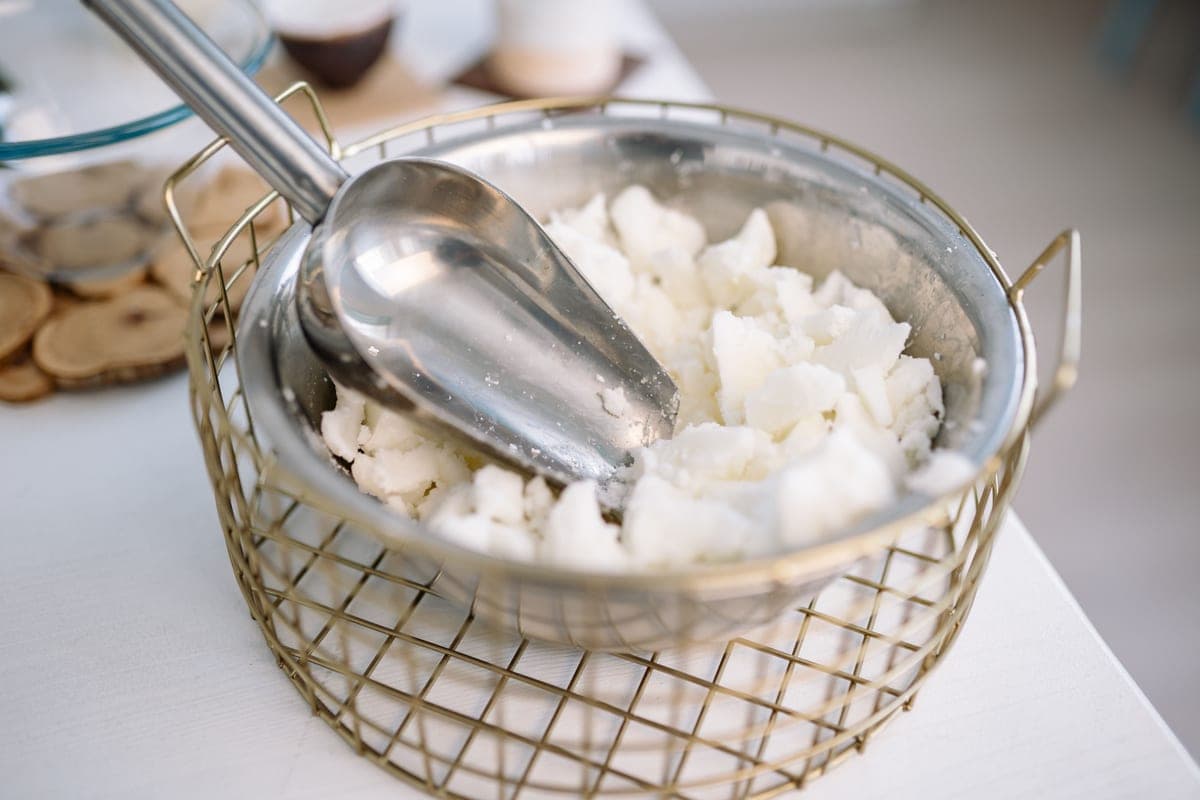
Best wax melts
The best wax melts, ranked on what the pack actually tells you
Wax melts ranked on published wax type, weight per cube and stated hours, with the source next to every number.

Top pick: Happy Wax Soy Melts
The consumable half of the system. Which wax, which scents, which brands, and how to read a pack that mostly tells you nothing useful.
A wax melt is a small block of scented wax with no wick. You put it in a warmer, the warmer holds it at a temperature well below where anything would burn, and the fragrance evaporates into the room. Nothing is on fire and nothing is consumed except the scent - the wax itself is still sitting in the dish when the fragrance has long gone.
That last fact causes most of the confusion in this category, and it is the reason this hub exists. There is no visual cue for a finished melt. It looks identical on day four to day one, so people run spent wax for days and conclude the product is weak or the warmer is broken.
The pages below cover what to buy and how to read a pack that mostly tells you nothing useful. We have not burned any of these - we compile what makers publish, put the source and date beside every number, and say plainly where a figure does not exist.
Best wax melts
Wax melts ranked on published wax type, weight per cube and stated hours, with the source next to every number.
Top pick: Happy Wax Soy Melts

Best for scent choice
Choosing scents by room, season and fragrance family instead of by a ranked list nobody can honestly produce.

Top pick: Yankee Wax Melts

Best brand
Brands compared on documentation: who publishes wax type, hours and dosing, who publishes nothing, and where each is actually purchasable.
Top pick: Happy Wax Soy Melts
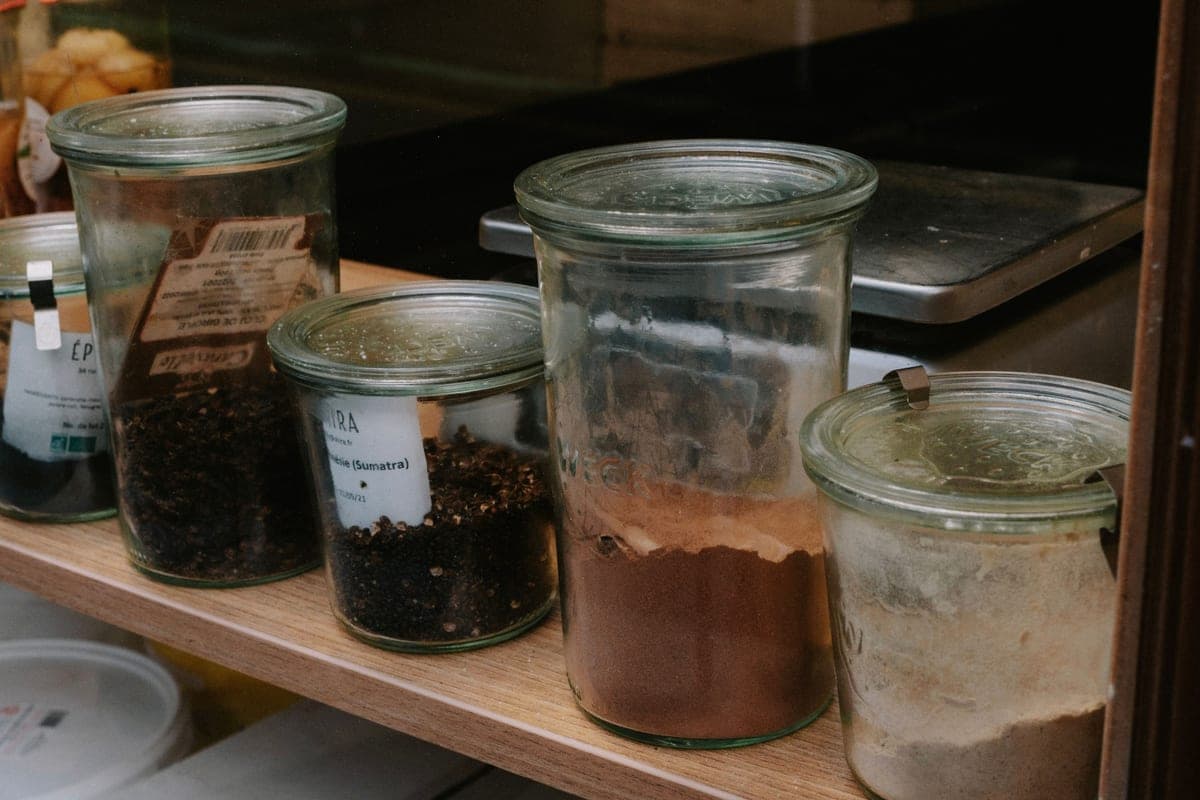
Longest lasting
Published durability figures compared, plus the four variables you control that affect how long a melt lasts more than the brand does.
Top pick: Happy Wax Soy Melts
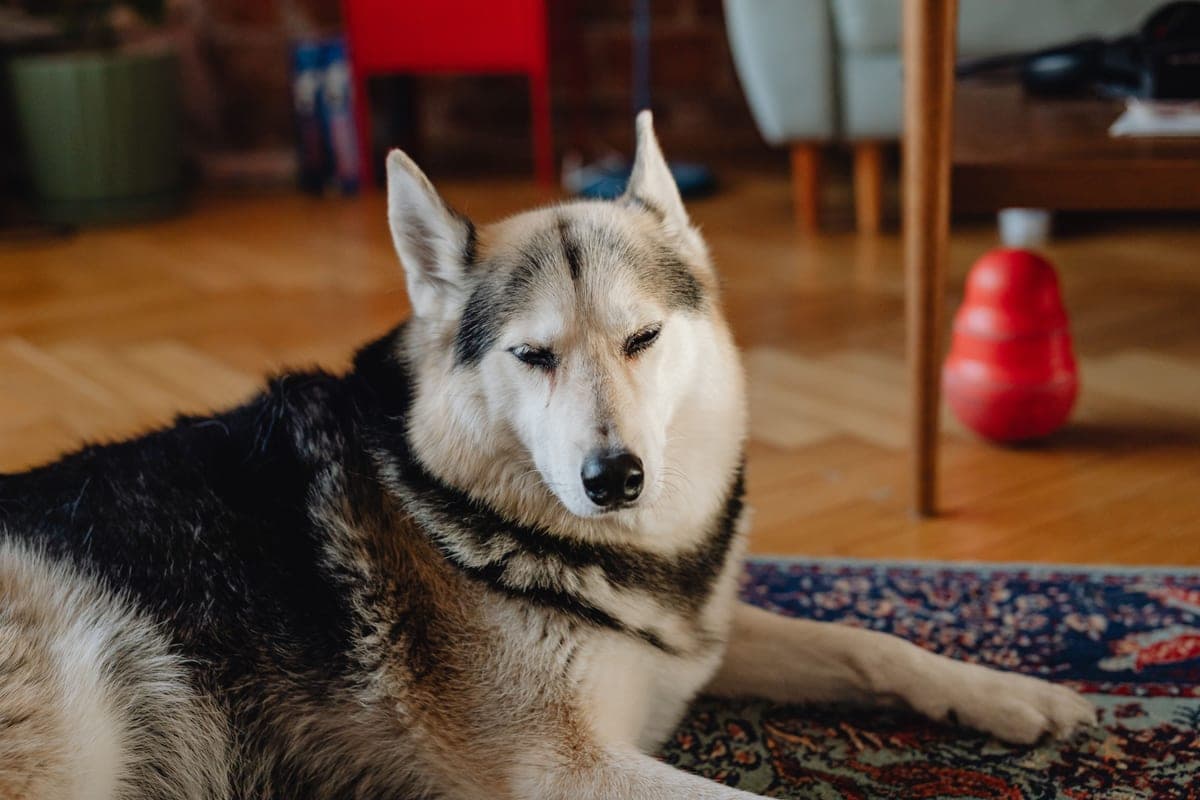
Best for pet odor
Odor-eliminating melts versus fragrance, plus the essential oils named by the Pet Poison Helpline and VCA that a pet household should check first.
Top pick: Febreze Wax Melts
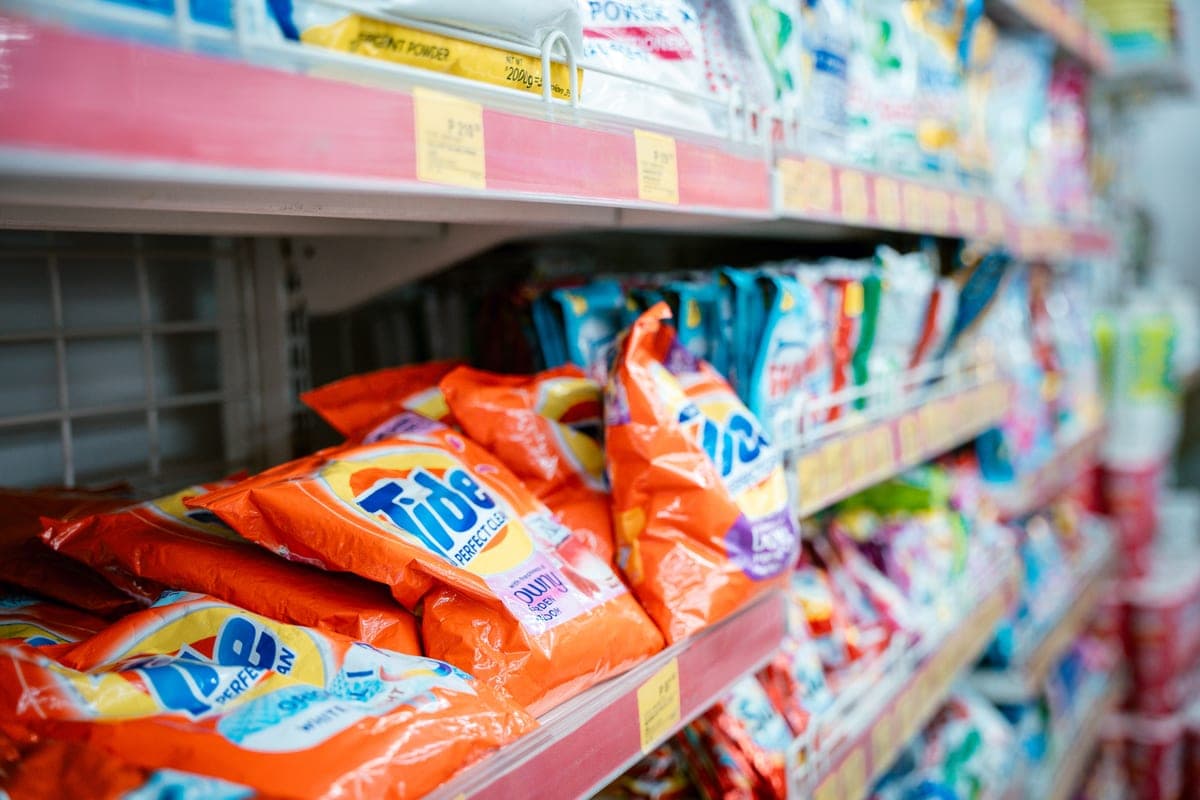
Best on a budget
Comparing melts on price per hour rather than price per pack, and why unbranded bulk lots usually fail that comparison.

Top pick: Glade Wax Melts

Best for large rooms
What actually scales in a big room: dose, warmer temperature, siting and the number of warmers. Brand is the smallest variable.
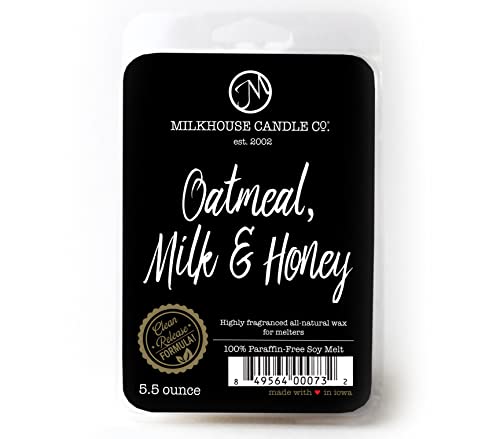
Top pick: Milkhouse Soy Melts

Best starter setup
A cheap plate warmer with a removable dish, one pack of wax from a brand that publishes what is in it, and one cube to start. That is the whole beginning.

Top pick: EQUSUPRO Ceramic 3-in-1
$13.99 · 5% off

Best gift bundle
Ready-made bundles against a warmer plus wax chosen yourself, the scent problem nobody solves, and the pet check to do before you buy.

Top pick: ScentSationals Laurel Bundle

Best disclosed wax
What the FTC requires behind a non-toxic claim, what these brands actually publish, and the one number none of them disclose.

Top pick: Shortie's Soy Bar

Best fall scent
Autumn packs ranked on weight per dollar and published composition, plus the three scent families the season splits into.

Top pick: Milkhouse Pumpkin

Best Christmas scent
Holiday packs checked against the same makers' year-round lines: what changes, what does not, and which of the four Christmas scent families you are actually buying.

Top pick: Milkhouse Farmhouse Christmas

Strongest throw
Strength claims checked against what each maker publishes - and the three levers that genuinely change how strong a room smells.

Top pick: Moosehead XL
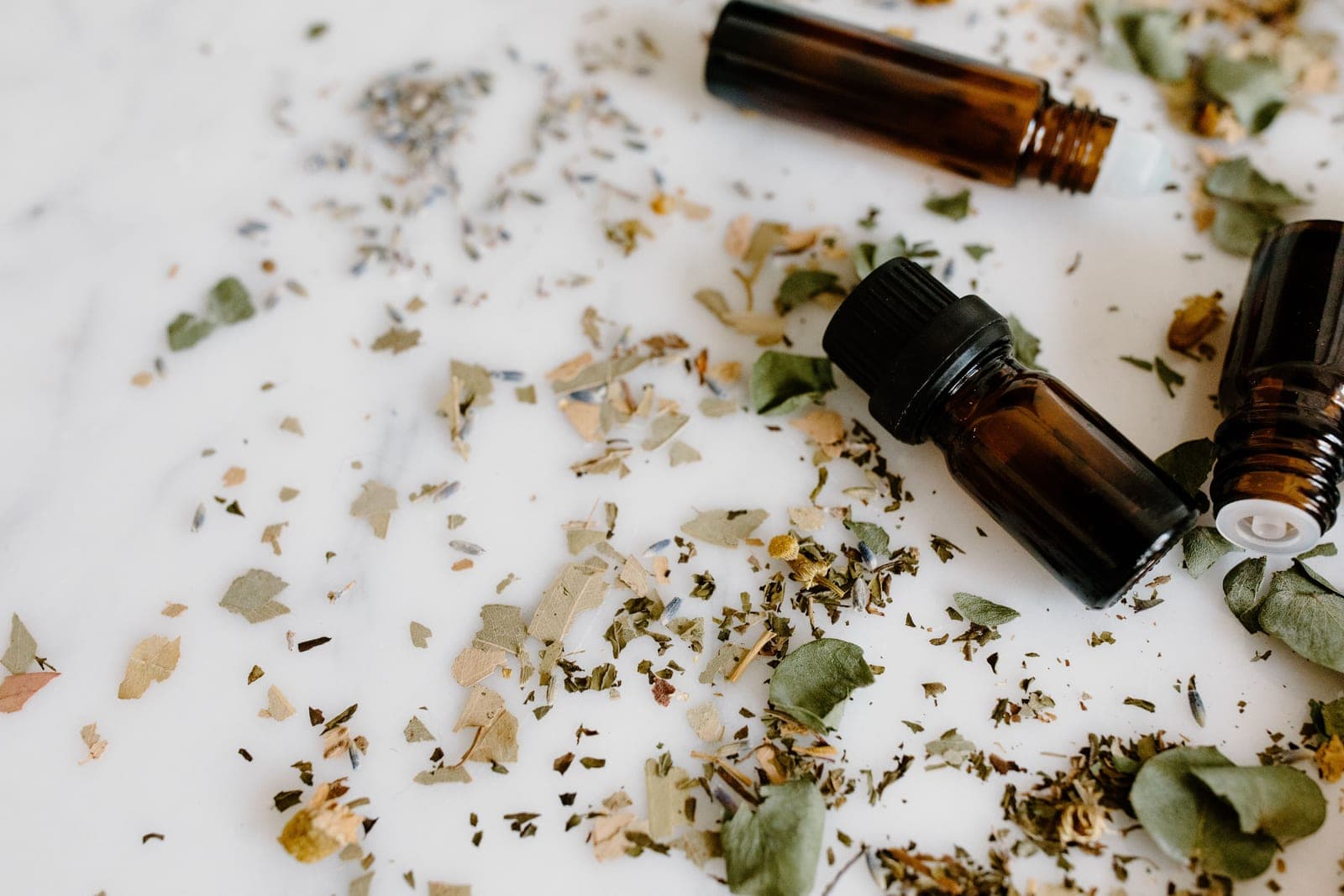
Best essential oil melts
The three tiers of essential-oil claim in this category, which makers back theirs, and why an essential-oil melt usually throws quieter.

Top pick: Fontana Beeswax Melts
$15.99 · 6% off

Best luxury pack
What changes when you pay up: hotel-inspired scent briefs, small-batch pouring, and disclosure that gets worse rather than better.

Top pick: Farm Raised Resort
Picks
One Fur All's Pet House melts, reviewed on what the listing publishes: four exclusions, no weight, no cube count and no hours.

Top pick: Pet House Vanilla Creme Brulee
Picks
What Yankee publishes across its melt listings, how long the cubes are claimed to last, and when the scent range is worth the missing spec sheet.

Top pick: Yankee Home Sweet Home
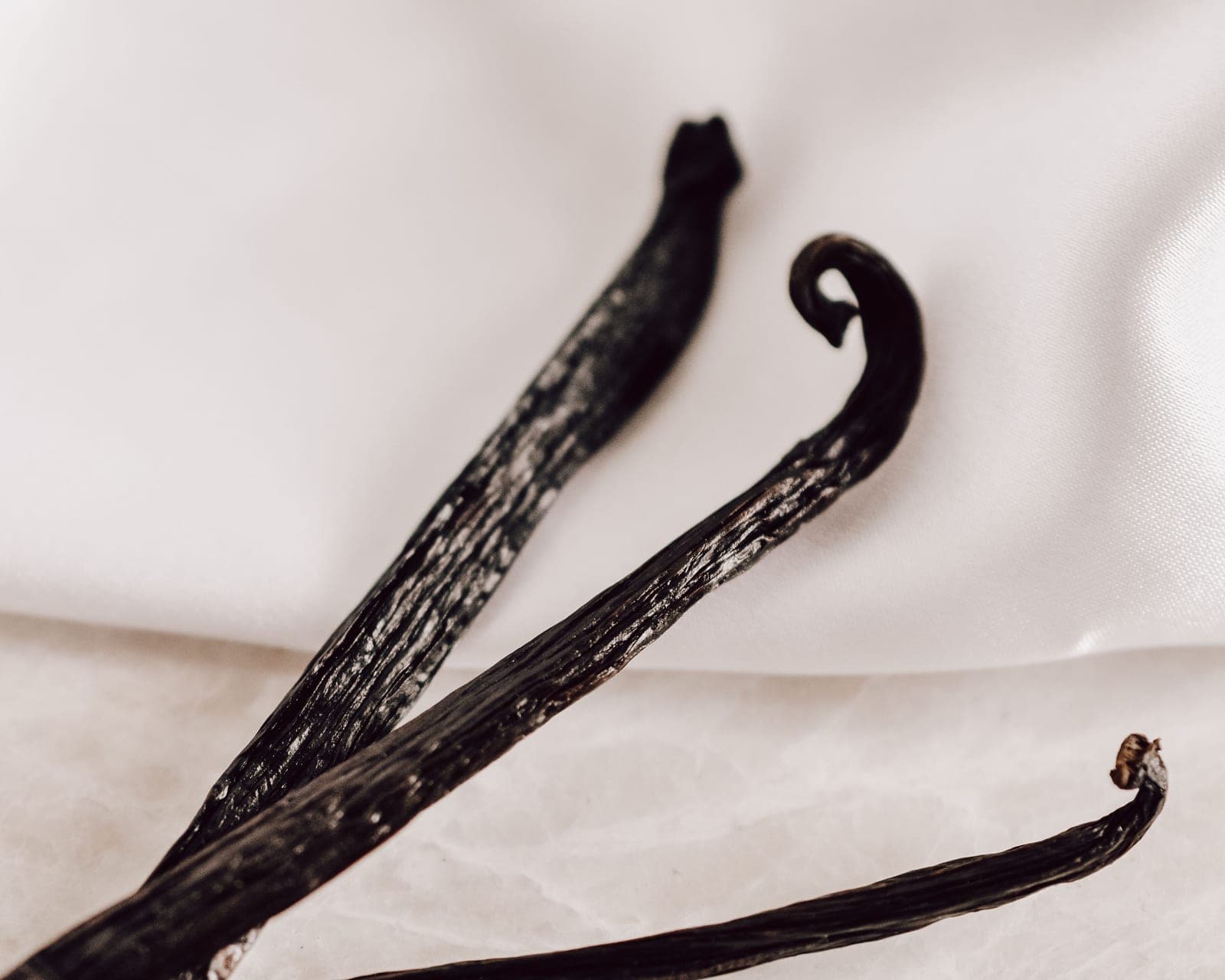
Best vanilla
Bakery, coffee, woody or plain vanilla bean - which packs publish the notes, which publish only the word, and how much wax each gives you.

Top pick: Happy Wax Vanilla Lovers

Best lavender
Lavender packs ranked on published composition, weight and hours - with the sleep claims and the cat question checked against the actual sources.

Top pick: Happy Wax Lavender Lovers

Picks
What Happy Wax publishes that nobody else does, where its own figures disagree, and whether the premium per ounce is worth it.
Top pick: Happy Wax Soy Melts
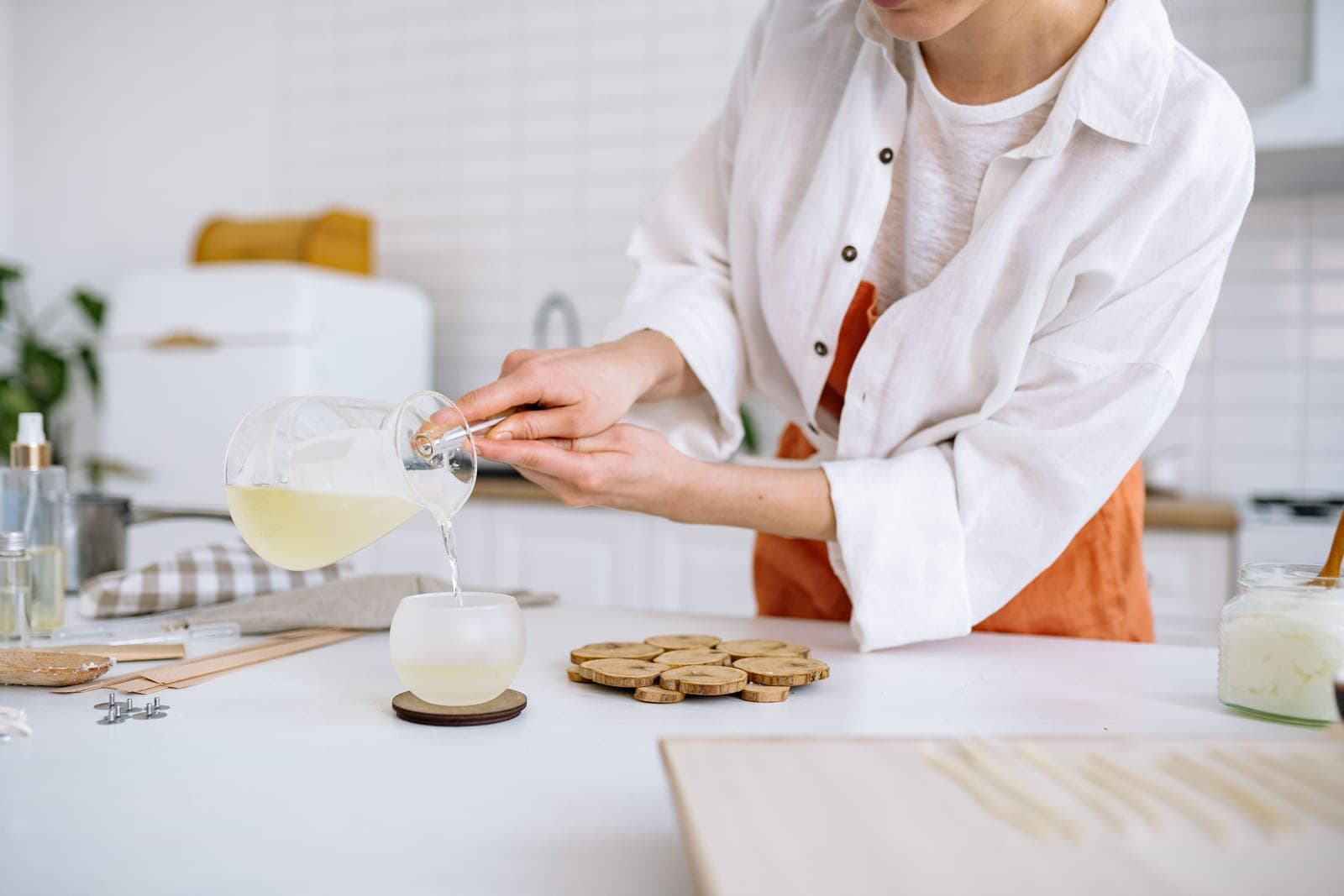
Compared
Melt point, throw character, cost and cleanup compared - plus an honest account of where the emissions evidence actually stands.
Guide
Step by step: how many cubes, how long to run it, how to change wax cleanly, and how to tell when a melt is finished.
Guide
Melts do not spoil; they lose fragrance. What drives the fade, roughly how long a pack keeps, and how to test an old one.
Guide
Cool, sealed, dark and flat. Why those four, where in a normal house to put them, and the storage habits that quietly cost you fragrance.
The most useful single thing we found compiling this section. Four of the five brands we index sell six-cube packs. Those packs contain 2.3 oz, 2.6 oz, 2.75 oz and 5.5 oz of wax. The largest holds nearly two and a half times the wax of the smallest for the same headline count.
Per cube, that runs from roughly 0.38 oz to roughly 0.92 oz. So a Milkhouse cube and a Glade melt are not comparable objects, and a warmer dish that comfortably takes two of one will overflow with two of the other.
Compare on ounces, never on cube count. Divide the pack weight by the count before you compare anything, and check the result against the dish you actually own.
The number that decides value in home fragrance is hours per pack, because it is the denominator in every comparison worth making. Three of the five brands we index publish no hours figure at all. A fourth has one that appears on retail listings but not on the maker's own product pages, so we label it as a retail figure rather than promoting it to a specification.
Two of the biggest names here are owned by Procter and Gamble and SC Johnson - companies with technical documentation teams and regulatory departments. Neither publishes a wax composition for its melts. We are not suggesting anything is being hidden; the likeliest explanation is that these are supermarket impulse products where nobody expects the question. The consequence for a buyer is the same either way: you cannot compare them on value.
That is why we rank brands on documentation in the brands roundup. A brand that publishes hours and a dose can be checked. A brand that publishes nothing is one you buy on price and hope.
Running wax long after it has stopped working, then buying a different brand which works for a day and does the same thing.
Fragrance oil evaporates out of the wax; the wax stays behind and will melt and re-solidify indefinitely. A candle visibly gets shorter. A melt gives you nothing to look at. Compounding it, your own nose stops registering a constant smell within about ten minutes, so the room can smell perfectly good to a visitor and of nothing to you.
The practical fix is to treat it as a timer rather than a visual check - roughly 8 to 12 hours of running per standard cube, or the maker's published figure where one exists. And the honest test for whether anything is wrong is to leave the room for ten minutes and walk back in. The full diagnosis, in order of likelihood.
Choose the fragrance before you choose anything else. Cats have fewer of the liver enzymes needed to metabolize certain essential oils, which is why they are affected by things other animals tolerate. The Pet Poison Helpline names wintergreen, sweet birch, citrus, pine, ylang ylang, peppermint, cinnamon, pennyroyal, clove, eucalyptus and tea tree; VCA names an overlapping list.
Read that against how home fragrance is marketed and the collision is obvious. Citrus is the default clean note, pine is Christmas, cinnamon and clove are autumn, and peppermint and eucalyptus are the entire bathroom category.
We do not label any product safe for cats - that is a veterinary judgment and we hold no credential. What we do is point at the lists so you can check the pack in your hand: wax melts and cats.