Safety
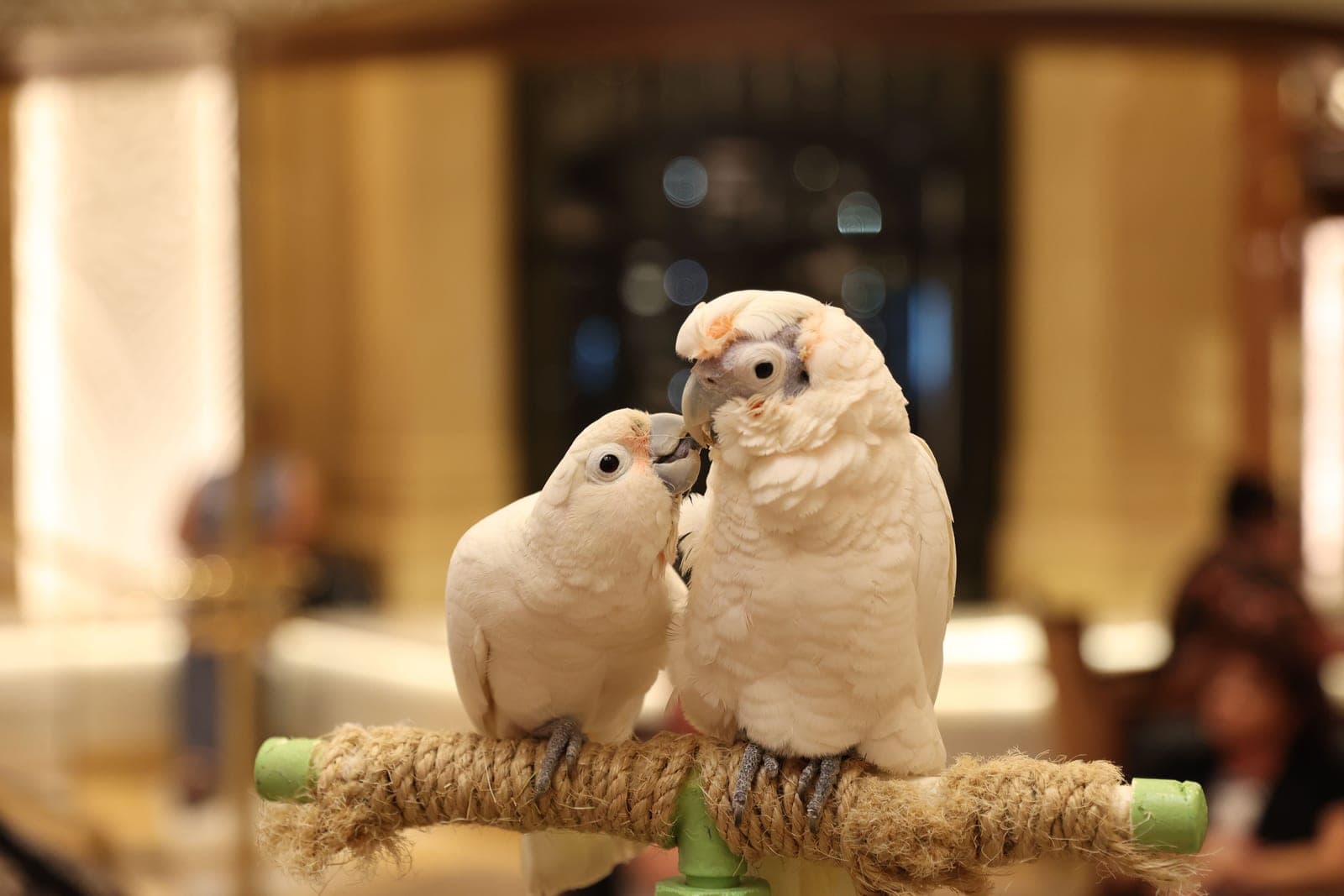
Are wax melts safe around birds?
This is the one page on this site that ends with us telling you not to buy the product. A bird changes the answer completely, and it is not close.
The short answer
No - not in a room your bird lives in, and we sell warmers. VCA Animal Hospitals gives a rule that settles this before any argument about ingredients starts: "A good rule is that if you can smell it, it may harm your bird's respiratory tract." A wax melt exists to be smelled. There is no version of this product that gets around that sentence, and no fragrance marketed as bird-safe changes it.
Why a bird is not a small cat
Cat and dog pages on this site are about ingestion and about specific essential oils. The bird question is different in kind, because the exposure route is the air itself.
VCA puts it plainly: "Birds have an efficient respiratory system and are sensitive to pollutants in the air." The Merck Veterinary Manual says the same thing from the other direction: "Birds' respiratory tracts are very sensitive to chemical fumes (including gasoline, pesticides, perfumes, and other sprays)."
Note what is in Merck's bracket. Perfumes. Not solvents, not industrial chemicals - the ordinary fragranced things people keep in a living room.
What the veterinary sources actually list
These are quoted rather than paraphrased, because paraphrase is how this subject gets softened.
| What VCA says | Why it matters here |
|---|---|
| "Cigarettes, cigars, pipes, essential oil diffusers, and vaporizers should not be used around your bird." | Diffusers are named outright. A warmer is the same idea with a different carrier. |
| "Cooking fumes or smoke from the oven... fumes from cleaning products, paints, varnishes, fireplace fumes, air fresheners, hair products... may lead to respiratory problems." | Air fresheners are on the list. A wax melt is an air freshener with a nicer object around it. |
| "A good rule is that if you can smell it, it may harm your bird's respiratory tract." | The whole product category fails this test by design. |
| "Since harmful chemicals may linger in the air long after the smell has faded, it is important to keep your bird's environment well ventilated." | Switching the warmer off when the bird comes in is not the fix it feels like. |
| "Signs of respiratory damage may not be immediate and smoke exposure can lead to chronic bronchitis and impair the birds' ability to fight off disease." | A bird that seems fine this evening is not evidence that the exposure was fine. |
Neither source names wax melts. We are not going to pretend otherwise, and you should distrust any page that tells you a veterinary body has ruled specifically on warmed fragrance wax - we could not find one that has. What both sources do is describe a category, and warmed scented wax sits inside that category on every axis they name.
The PTFE problem hiding in some warmers
This part is less well known than it should be, and it is about the hardware rather than the wax.
VCA's article on PTFE poisoning in birds explains that polytetrafluoroethylene, the non-stick coating, "releases particles and acidic gases that are toxic when inhaled" when heated to high temperatures. The list of household sources it gives is the reason this belongs on a wax melt site: "frying pans, drip pans, waffle irons, clothing irons, iron board covers, heating elements, and heat lamps."
Heating elements and heat lamps are what a wax warmer is made of. Very few warmer listings state what the plate is coated with, and a non-stick warming plate is a real product on this market. In a bird household that is not a specification you can afford to guess at.
The outcome VCA describes is why we are being blunt on this page rather than balanced: "In many cases, sudden death occurs before treatment can be started," and "sudden death may be the only sign of PTFE poisoning in birds."
So what can you actually do?
In descending order of how confident we are about it.
- Nothing scented in the bird's room. At all. Not a warmer, not a diffuser, not a plug-in, not an aerosol, not incense. This is the only option that follows cleanly from what the veterinary sources say.
- Different room, closed door, and ventilation. Better than the same room, and not the same as safe - VCA specifically warns that chemicals linger after the smell fades. Air moves between rooms in a house.
- Different floor of the house is the version of the above that we would actually be comfortable with, and even then we would keep the door shut and a window open.
- Deal with the odor at source instead. Ventilation, cleaning, and the bird's own housekeeping. This is the least satisfying advice on this site and it is the correct advice here.
If you want the reasoning behind that last one for a non-bird household, it is the same argument we make about wax melts and pet odor: fragrance never removes a source.
What we do not recommend
Any product sold as bird-safe fragrance. There is no certification behind that phrase, no testing standard it refers to, and no veterinary body issuing it. It is a marketing category.
Soy as a workaround. The soy-versus-paraffin argument is about the wax, and the wax is not what VCA is warning about - the fragrance in the air is. Soy vs paraffin explains why that argument gets over-applied generally; here it is simply beside the point.
Candles or incense as the compromise. Both are worse, not better. They add combustion to the same room - and VCA names smoke exposure specifically. Wax melts vs incense has the particulate measurements.
Trusting a warmer with no published materials in a bird house. If the listing will not tell you what the plate is coated with, treat that as unknown rather than as fine.
Questions people actually ask
Are wax melts safe for parrots, budgies or cockatiels?
Not in a room they live in. VCA Animal Hospitals publishes the rule that if you can smell it, it may harm your bird's respiratory tract, and it names essential oil diffusers and air fresheners specifically. Warmed scented wax is the same kind of exposure. Species differences are not the deciding factor here - the avian respiratory system is.
Can I use a wax warmer in a different room from my bird?
It is better than the same room and it is not the same as safe. VCA warns that harmful chemicals may linger in the air long after the smell has faded, and air moves between rooms. If you are going to do it anyway, keep the door closed, ventilate, and put as much distance and as many closed doors between the two as you can.
Is there a bird-safe wax melt?
No, and treat the phrase as marketing. There is no certification, testing standard or veterinary body behind it. Neither VCA nor the Merck Veterinary Manual names wax melts at all - what they describe is a category of airborne fragrance exposure, and warmed scented wax sits inside it.
What about the warmer itself - can the hardware hurt a bird?
It can, if the heating plate carries a non-stick coating. VCA's article on PTFE poisoning lists heating elements and heat lamps among the household sources, and describes sudden death as a common outcome. Most warmer listings do not state their coating, which in a bird household should be read as unknown rather than as safe.
What are the signs my bird has been affected?
VCA notes that signs of respiratory damage may not be immediate, and that smoke exposure can lead to chronic bronchitis and impair a bird's ability to fight off disease. Labored breathing, tail-bobbing, wheezing or discharge are reasons to call an avian vet the same day. We are not a veterinary service and this page is not a substitute for one.
Sources
Every factual claim on this page traces to one of these, or is labeled as an assumption. We have not tested these products - our method is on the methodology page.
- Household Hazards and Dangers to Birds — VCA Animal Hospitals. Retrieved September 6, 2026.
- Household Hazards for Pet Birds — Merck Veterinary Manual. Retrieved September 6, 2026.
- Teflon (Polytetrafluoroethylene) Poisoning in Birds — VCA Animal Hospitals. Retrieved September 6, 2026.
Read next

Safety
Are wax melts safe?
The cluster head: fire risk, pets, children and air quality answered separately, with authorities named and the uncertainty stated.
Safety
Are wax melts safe for cats?
The named oils, the metabolic reason cats are affected, the signs of exposure, and what to do - all cited to Pet Poison Helpline and VCA.
Safety
Are wax melts safe for dogs?
Why the dog risk profile differs from the cat one, what the authorities say, and why ingestion rather than inhalation is the realistic route.
Safety
Do wax melts release toxins?
What is established, what is candle research misapplied, and what remains genuinely unknown - with the uncertainty stated rather than resolved.
Compare
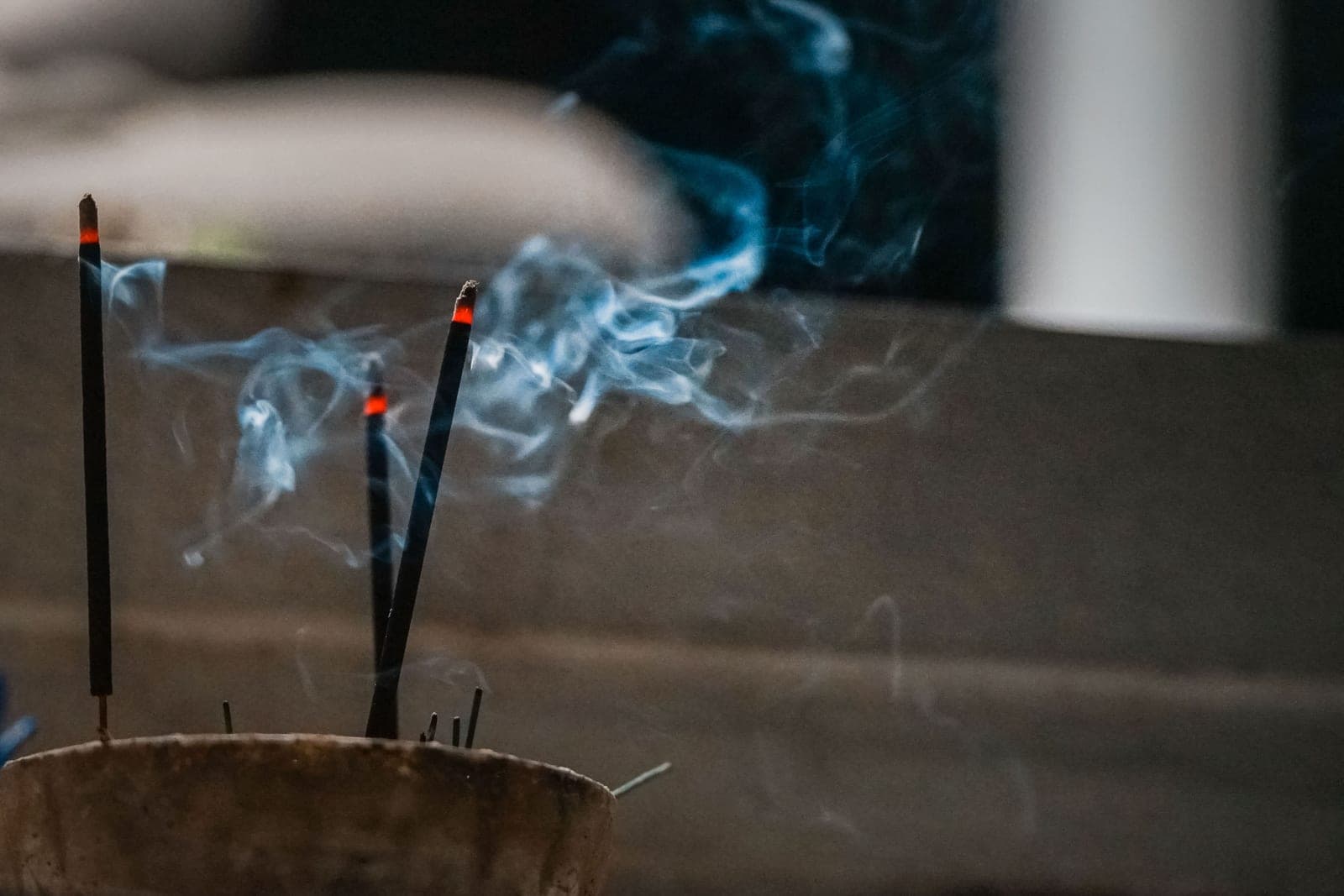
Wax melts vs incense
Incense burns and a wax melt does not. What that means for the air, the cost per session and the amount of control you get, with the measurements cited.
Wax Melts
The best wax melts for pet odor, and the thing to check before you buy any of them
Odor-eliminating melts versus fragrance, plus the essential oils named by the Pet Poison Helpline and VCA that a pet household should check first.