Safety
Are wax melts safe around babies and children?
Two of the three risks are practical and easy to manage. The third is the one where we are going to tell you the evidence is thinner than you would like.
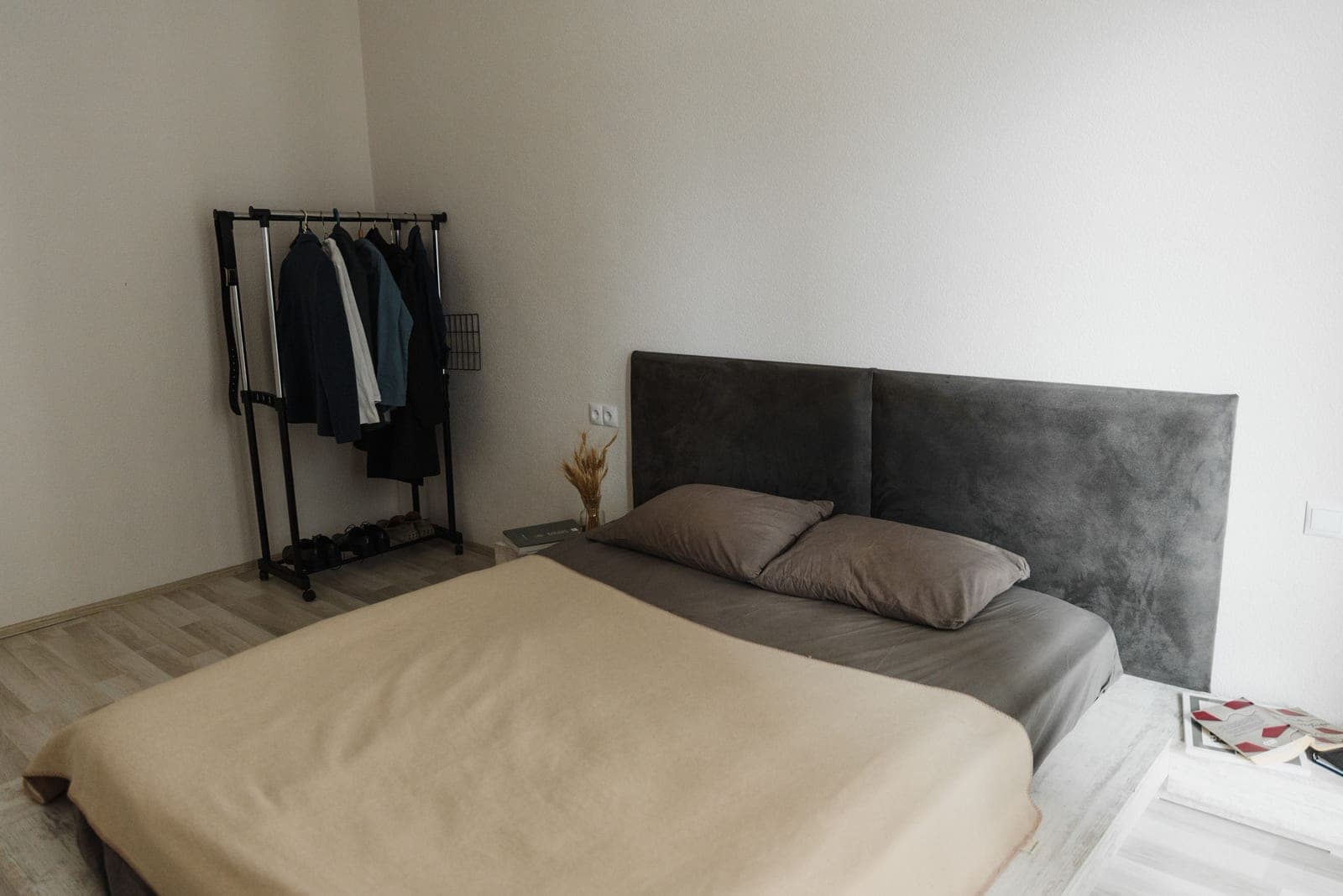
The short answer
The two concrete risks are burns (the dish and the liquid wax are hot) and ingestion (cubes look and smell like sweets), and both are managed by placement and storage. On fragranced air in a nursery, we are going to be straight with you: the research is thinner than most confident writing about it, so the sensible position is ventilation, restraint, and not running a warmer in a room where an infant sleeps.
Burns: the immediate one
A warmer dish and the wax in it are hot enough to hurt. Not dangerous-hot in the way a hob is, but a small child pulling a dish of liquid wax onto themselves is a real injury.
The risk is entirely about position:
- Well out of reach, and above the height a toddler can pull down to. A coffee table is the wrong place.
- Well back from the edge of whatever it stands on.
- Not on a tablecloth, runner or placemat that can be pulled.
- Cord managed. A trailing cord from a corded warmer is a handle. This is one case where a plug-in - which has no cord at all - is genuinely the safer format, provided the socket is not at floor level.
Ingestion: the underestimated one
Wax melt cubes are small, glossy, brightly colored, often molded into shapes, and they smell strongly of vanilla, cake or fruit. They are, from a toddler's perspective, obviously food.
This is worth taking more seriously than the burn risk, because it happens quietly and packs get left on low shelves and coffee tables all the time.
The Pet Poison Helpline entry on liquid potpourri documents that fragranced liquid can irritate or burn skin and mouths. That guidance concerns animals - we are not going to present it as paediatric advice - but the underlying property of the material is the same one, and it is a reasonable thing to be aware of.
Store packs closed and out of reach. Not in a low drawer, not on an open shelf, not on the coffee table beside the warmer. And if a child swallows one, contact a poison center or your doctor - do not wait to see, and do not induce vomiting unless you are told to.
Fragranced air: where we will not pretend
Most pages you will read on this will confidently tell you either that wax melts are perfectly fine around children or that they are quietly harmful. We are not going to do either.
What is clear: warming fragranced wax releases volatile organic compounds into indoor air. That is the mechanism by which it works at all. It is also true of candles, plug-in fresheners, reed diffusers and sprays.
What is also clear: nothing is burned, so the combustion products that dominate scented-candle research are not produced.
What is not clear, and where we will state the uncertainty rather than resolve it for you: what sustained exposure to warmed fragrance does in a room where an infant sleeps. Infants breathe faster relative to body mass than adults and spend far longer in one room, which is a reason for caution rather than a finding. And no maker in this category publishes its fragrance composition, so even a well-informed parent cannot evaluate a specific product.
Our position, stated as a position rather than as evidence: we would not run a wax warmer in a room where a baby sleeps. Not because we can point to a study that says not to, but because the benefit is a pleasant smell and the uncertainty is unresolved. That is a judgment, and you may reasonably make a different one.
If anyone in the household has asthma or a known fragrance sensitivity, that is a different and clearer matter - take it seriously and speak to a doctor. More generally on this: do wax melts release toxins.
What we would actually do
- Not in the nursery. Use the living room, and ventilate it.
- High, stable, back from the edge, no cloth underneath.
- Packs closed and stored out of reach, not beside the warmer.
- A published auto shut-off so it is not running unnoticed for hours.
- Less wax than you think. One cube in a room with a child in it is plenty, and the honest reason to use less is that it is the only variable you actually control.
- Ventilate. A cracked window is the cheapest response to uncertainty available.
- Electric, not a tealight burner. A flame at child height needs no further argument.
Questions people actually ask
Are wax melts safe around babies?
The concrete risks - burns from the hot dish and ingestion of cubes that look like sweets - are managed by placement and storage. On fragranced air in a room where an infant sleeps, the research is thinner than confident writing about it suggests. Our position, stated as a judgment rather than a finding, is that we would not run a warmer in a nursery: the benefit is a pleasant smell and the uncertainty is unresolved.
Can wax melts be used in a nursery?
We would not. Nothing is burned, so the combustion products that dominate candle research are not produced, but warming fragranced wax does release volatile organic compounds and no maker publishes its fragrance composition. Infants breathe faster relative to body mass and spend far longer in one room. Use the living room instead and ventilate it.
What happens if a child eats a wax melt?
Contact a poison center or your doctor rather than waiting to see, and do not induce vomiting unless you are told to. Cubes are small, brightly colored and smell of food, which is exactly why they get eaten. Store packs closed and out of reach rather than on a shelf beside the warmer.
Where should I put a wax warmer in a home with a toddler?
High, stable, well back from the edge of the surface, and not on a tablecloth or runner that can be pulled. Manage the cord, because a trailing cord is a handle. A plug-in at waist height on an unobstructed wall avoids the cord problem entirely, provided the socket is not at floor level.
Are wax melts better than candles around children?
For fire and burn risk, clearly - an electric warmer has no flame, and the NFPA advises against candles in bedrooms and anywhere people may fall asleep. The dish is still hot and the cubes still look like sweets, so placement and storage matter either way. A tealight burner is a candle and gives up the advantage entirely.
Sources
Every factual claim on this page traces to one of these, or is labeled as an assumption. We have not tested these products - our method is on the methodology page.
- Potpourri (liquid) — Pet Poison Helpline. Retrieved September 2, 2026.
- Safety with candles — National Fire Protection Association (NFPA). Retrieved September 2, 2026.
Read next
Safety
Are wax melts safe?
The cluster head: fire risk, pets, children and air quality answered separately, with authorities named and the uncertainty stated.
Safety
Do wax melts release toxins?
What is established, what is candle research misapplied, and what remains genuinely unknown - with the uncertainty stated rather than resolved.
Safety
Are wax melts safe for cats?
The named oils, the metabolic reason cats are affected, the signs of exposure, and what to do - all cited to Pet Poison Helpline and VCA.
Warmers
The best wax warmers with a timer, ranked on what the timer actually does
Warmers with published timers, separated by what the timer does: one-shot auto shut-off, repeating daily cycle, or an unspecified claim.
Scent Throw
Where to put a wax warmer
Height, airflow and doorways, then room by room - including why the kitchen is the hardest room to scent and the bathroom is the easiest.