Scent Throw
Where to put a wax warmer
The free variable. Moving a warmer four feet does more for scent throw than moving up a price bracket, and nobody writes about it.
Disclosure — we earn a commission if you buy through the links on this page, at no extra cost to you. It does not change which products we pick or what we say about them. We accept no samples and no sponsorship. How this site is funded.
The short answer
Put it waist to chest height, on a hard surface, near the middle of the room or by a doorway, and out of any direct draft from an air conditioner, a vent or an open window. Height and air movement do most of the work. The most common placement mistake is a warmer on the floor or a low shelf in a corner, where the scent pools around it and never reaches anyone.
Quick picks
| # | Product | Best for | Price |
|---|---|---|---|
| 01 |  Colonial Candle Timer Warmer A plate warmer with a published timer and a named third-party safety listing, which together answer the two things campus housing rules actually ask about. | Best for a strict housing rule | $13.99 View on Amazon
|
| 02 |  Marycele Warmer Lamp The clearest published spec sheet of any lamp here - timer, auto shut-off, dimmer, a standard GU10 base and now a bulb rating - and the highest running cost in this registry because of that last one. | Best timer for a bedroom | $19.99 View on Amazon
|
| 03 |  EQUSUPRO Ceramic 3-in-1 Ships with both a ceramic and a silicone dish, which solves wax changes properly, but it publishes no wattage so we cannot cost it. | Best for changing scents often |
#ad Prices come from the live data layer and are stamped with the date they were checked. Where no live price exists the button says "Check price" rather than showing an old number. How we are funded.
The three things placement changes
Scent throw is not only about how much fragrance leaves the wax. It is also about whether the air in the room carries it to a nose. Three variables do nearly all of that work.
Height
Warm, fragrance-laden air rises. A warmer at floor level scents the layer of air below knee height first and reaches you slowly and weakly; the same warmer on a side table or a shelf puts the scent into the part of the room people occupy. This is why a plug-in in a wall socket at waist height frequently outperforms a bigger warmer on the floor.
Air movement
Some movement is essential - still air lets scent stratify and sit. Too much removes it before it does anything. A warmer directly under an air conditioning vent, in front of a fan, or on a windowsill with the window open is having its output diluted and exhausted continuously. A room whose air is being changed several times an hour is one of the standard reasons people conclude their melts stopped working; that diagnosis is on why you cannot smell your wax melts.
Doorways
A warmer near a doorway or the natural path between two rooms borrows the air movement people create by walking around. It is also the cheapest way to make one warmer serve a hallway and the room next to it, which is worth knowing before buying a second.
Assumption, not a fact
The height and airflow guidance here is reasoning from how warm air behaves and from the same causes we document on the scent throw pages, not from measurements we have taken in a lab. Nobody in this category publishes placement data. Treat it as a sensible starting point that you can test in ten minutes by moving the warmer.
Room by room
| Room | Where | What to avoid |
|---|---|---|
| Living room | Side table or console at seat height, toward the middle of the space or near the main doorway. | Behind the sofa, on the floor, or on a bookshelf above head height where the scent sits at the ceiling. |
| Bedroom | Dresser or a shelf across the room from the bed. A timer matters more here than anywhere else. | The nightstand. It is the tippable surface with a cable, a glass of water and a person asleep beside it. |
| Bathroom | A wall socket at waist height. Small, enclosed rooms are the easiest to scent and need the least wax. | Near towels, the shower curtain or anywhere steam condenses. One cube here, not three. |
| Kitchen | As far from the hob as the room allows, ideally on the way out of the room rather than in it. | Anywhere near cooking. This is the hardest room to scent and the section below explains why. |
| Hallway or entry | Console table or a socket at waist height. This is the highest-value placement in most homes. | Floor level, and any spot where a cord crosses a walkway. |
| Desk or office | The far side of the desk, or a shelf beside it. You are scenting a person, not a room. | Right beside your face - nose blindness arrives within minutes at that distance. |
For how much wax each of those rooms actually needs, the dosing is on how many cubes to use and the room size guide.
The kitchen is the hard one
People buy a warmer for the kitchen more than for any other room, and the kitchen is where warmers disappoint most. Three reasons, none of them the warmer's fault.
- You are competing with cooking. Frying puts far more into the air than a wax cube does. A warmer running during dinner is not going to win that, and running it afterwards works far better.
- Kitchens are ventilated on purpose. Extractor fans, open windows and door traffic all remove air continuously, which is exactly what removes scent.
- Grease travels. A warmer near a hob accumulates a film that is unpleasant to clean off a warm dish. Keep it at the other end of the room.
The placement that works in practice is on the way out of the kitchen - the doorway, the hall table just beyond it - so the scent meets people rather than the cooking.
The safety overlay
Placement decides scent throw and it also decides risk, and the two do not always point the same way. Where they conflict, safety wins.
- Hard, level surface, well back from the edge. A dish of liquid wax that gets knocked is the realistic accident in this category.
- Nothing draped, hanging or stacked nearby. Curtains, throws, paper and the corner of a tablecloth are the things that end up against a warm surface.
- Not directly under a smoke detector, and not under a shelf that traps heat.
- Cords out of walkways, and never run to an extension lead on the floor.
- Out of reach if there are pets or small children. Height helps throw and helps here too - one of the few places where both goals agree. The specifics are on wax melts around babies and children.
If the warmer is a plug-in, the siting rules are stricter and format-specific - plug-in warmer fire risk has the full table.
Two warmers, not one bigger one
The upgrade people reach for when a room is not scenting well is a bigger or more expensive warmer. The upgrade that actually works is a second cheap one in the next room.
Scent does not travel around corners or through doorways well, and a single warmer trying to serve an open-plan space plus a hallway is being asked to do something placement cannot fix. Two low-wattage warmers in two places cost less to buy than one premium lamp, and at 10 to 25 W each the running cost stays in the few-dollars-a-year range - the arithmetic is on how much electricity a wax warmer uses.
The exception is a genuinely large single room, where the answer is dose and warmer placement rather than a second unit - wax melts for large rooms covers that case.
What we do not recommend
The windowsill. It looks right and it is the worst spot in the room: drafts, direct sun on the wax, and a surface things get knocked off.
Right beside where you sit. Your nose stops reporting a constant smell within minutes, so the closest seat gets the least benefit. Put it across the room from yourself.
Chasing throw with more wax before you have tried moving it. Adding cubes is the reflex and it usually makes things worse rather than better, for reasons covered on how many cubes per warmer. Move it first. It costs nothing.
The picks in full
Best for a strict housing rule
Colonial Candle Wax Melt Warmer with Timer, 3-in-1 Electric Wax Melter
A plate warmer with a published timer and a named third-party safety listing, which together answer the two things campus housing rules actually ask about.
The living-room answer: a plate warmer that sits low and flat on a side table, with a timer so it is not still going at midnight.
- The listing states it is "Safety tested and ETL-certified through a nationally recognized OSHA lab". ETL is Intertek's mark and sits alongside UL as a recognized testing lab, which matters when a housing contract asks for a listed appliance.
- No wattage is published anywhere on the listing, so we cannot compute its running cost the way we do for the warmers that print a number. Not published is what we record.
- 2 / 4 / 8 hours is written down; end-of-timer behavior is not. If auto shut-off is the feature you need in writing, check before you buy or add an outlet timer.
- A 36-inch cord is short for a dorm desk. Measure to the nearest outlet - an extension lead is itself a prohibited item on several of the campuses we read.
Skip this if
Your rule says bulb warmers only. This is a heating plate, which is the exact format those policies name as prohibited.
- Rated power
- Not published
- Bulb
- None - built-in metal heating plate Colonial Candle listing (retailer listing, checked 2026-09-02)No bulb means no proprietary replacement to source later, and it is the enclosed-element format that several housing policies specify.
- Timer
- 2 / 4 / 8 hour timer Colonial Candle listing (retailer listing, checked 2026-09-02)The listing publishes the three durations but does not state what happens when one ends. We record durations only, rather than assuming a shut-off.
- Capacity
- Fits jar candles up to 3.9 in diameter; removable ceramic dish Colonial Candle listing (retailer listing, checked 2026-09-02)
- Dimensions
- Not published
Published specifications
Colonial Candle
Colonial Candle Timer Warmer
Best timer for a bedroom
Marycele Candle Warmer Lamp with Timer and Dimmer
The clearest published spec sheet of any lamp here - timer, auto shut-off, dimmer, a standard GU10 base and now a bulb rating - and the highest running cost in this registry because of that last one.
The bedside answer, because it is the format that looks like furniture and the one model here with a published auto shut-off.
- 2 / 4 / 8 hours with auto shut-off answers the question this category is actually anxious about, which is what happens if you fall asleep.
- 50 W GU10 halogen, two bulbs in the box. GU10 is a standard base you can buy in any hardware shop, which is worth more over the life of the lamp than the spare bulb is.
- The adjustable head is the spec to check against your own jars. Set the head too high and the wax never reaches pool temperature; too low and you scorch the top layer.
- A 4-level dimmer is the only heat control on any warmer we index. Dimming a halogen bulb reduces its output, which is a real way to run a gentler session.
Skip this if
You are buying on running cost. Its 50 W bulb draws about five times what the cheapest plate warmer here does, and no lamp in this format avoids that.
- Rated power
- 50 Marycele listing, 50 W GU10 halogen bulb (retailer listing, checked 2026-09-07)Re-read on 2026-09-07: the listing now states the bulb rating, which it did not when we first recorded this product. 50 W is roughly double the highest-rated plate warmer in this registry.
- Bulb
- 50 W GU10 halogen, 2 included Marycele listing, Bulb Base GU10 (retailer listing, checked 2026-09-07)GU10 is a standard twist-lock base sold everywhere, which is a real advantage over the proprietary bulb designations used elsewhere in this category.
- Timer
- 2 / 4 / 8 hour timer with auto shut-off Marycele listing, 2/4/8H Auto-Off (retailer listing, checked 2026-09-07)A fixed-duration auto shut-off, not a repeating cycle. Set it and it turns itself off once.
- Capacity
- Head height adjustable; fits small jars, 3-wick candles and 22 oz jars Marycele listing (retailer listing, checked 2026-09-07)
- Dimensions
- 5.3 x 5.3 x 12 in, 2 lb Marycele listing (retailer listing, checked 2026-09-07)
- Cord
- Not published
Published specifications
Marycele
Marycele Warmer Lamp
Best for changing scents often
EQUSUPRO 3-in-1 Electric Ceramic Wax Melt Warmer
Ships with both a ceramic and a silicone dish, which solves wax changes properly, but it publishes no wattage so we cannot cost it.
The second-warmer answer. Two cheap warmers in two rooms beat one expensive warmer trying to reach both.
- The second, silicone dish is the reason to consider it. Wax releases from cold silicone in one piece with no heating, no scraping and no paper towels.
- No published wattage. That is a real gap on a site that costs everything, and it is why this one is not our overall pick.
- The 3.6 inch dish is larger than the 3.5 inch Candle Warmers dishes. A small difference, and the gap between two cubes and three.
Skip this if
You want to know what it costs to run. EQUSUPRO does not publish a wattage for this warmer and we are not going to borrow one from a lookalike.
- Rated power
- Not published
- Bulb
- None - warming plate EQUSUPRO listing (retailer listing, checked 2026-09-02)
- Timer
- Not published
- Capacity
- 3.6 in ceramic dish, plus a 3.34 in silicone dish EQUSUPRO listing (retailer listing, checked 2026-09-02)Two dishes in the box is genuinely useful: ceramic for looks, silicone for the ten seconds it takes to change wax.
- Dimensions
- Not published
- Cord
- Not published
Published specifications
EQUSUPRO
EQUSUPRO Ceramic 3-in-1
#ad Price as of October 21, 2026. How we are funded
Questions people actually ask
Where is the best place to put a wax warmer?
Waist to chest height, on a hard surface, near the middle of the room or by a doorway, and away from direct drafts. Height matters because warm scented air rises, so a warmer on the floor scents the air below knee level first. A hallway or entry table is the highest-value spot in most homes because the scent meets people as they move between rooms.
Should a wax warmer be high or low in the room?
High enough to be in the air people occupy, which in practice means a side table, console or dresser rather than the floor. Above head height is too far the other way - the scent collects near the ceiling and comes down slowly.
Can I put a wax warmer in the bathroom?
Yes, and it is the easiest room to scent because it is small and enclosed. Use a socket at waist height, keep it clear of towels and the shower curtain, and use less wax than you would elsewhere - one cube is usually plenty in a room that size.
Why does my wax warmer not work in the kitchen?
Because you are competing with cooking smells in a room that is deliberately ventilated. Extractor fans and open windows remove the scented air continuously, and frying puts far more into the air than a wax cube can. Run it after cooking rather than during, and site it on the way out of the room rather than near the hob.
Is it better to have one big warmer or two small ones?
Two small ones, in most homes. Scent does not travel around corners or through doorways well, so one warmer serving two spaces is being asked to do something placement cannot fix. Two low-wattage warmers cost less than one premium model and still add up to only a few dollars a year to run.
Sources
Every factual claim on this page traces to one of these, or is labeled as an assumption. We have not tested these products - our method is on the methodology page.
- Electric Power Monthly, average retail price of electricity to residential customers — U.S. Energy Information Administration. Retrieved September 2, 2026.
- Wax Melt FAQ — Happy Wax. Retrieved September 2, 2026.
Read next
Scent Throw
Matching a wax warmer to your room
Volume rather than floor area is what dilutes fragrance. How to size a setup, where to put it, and when one warmer is not enough.
Scent Throw
How many wax melts do you put in a warmer?
Dose by warmer size and room size, anchored to the only published manufacturer dosing rule, plus why overfilling reduces throw.
Scent Throw
Why can't I smell my wax melts?
Six causes in order of likelihood, starting with the two that are about your nose and your timing rather than the product.
Safety
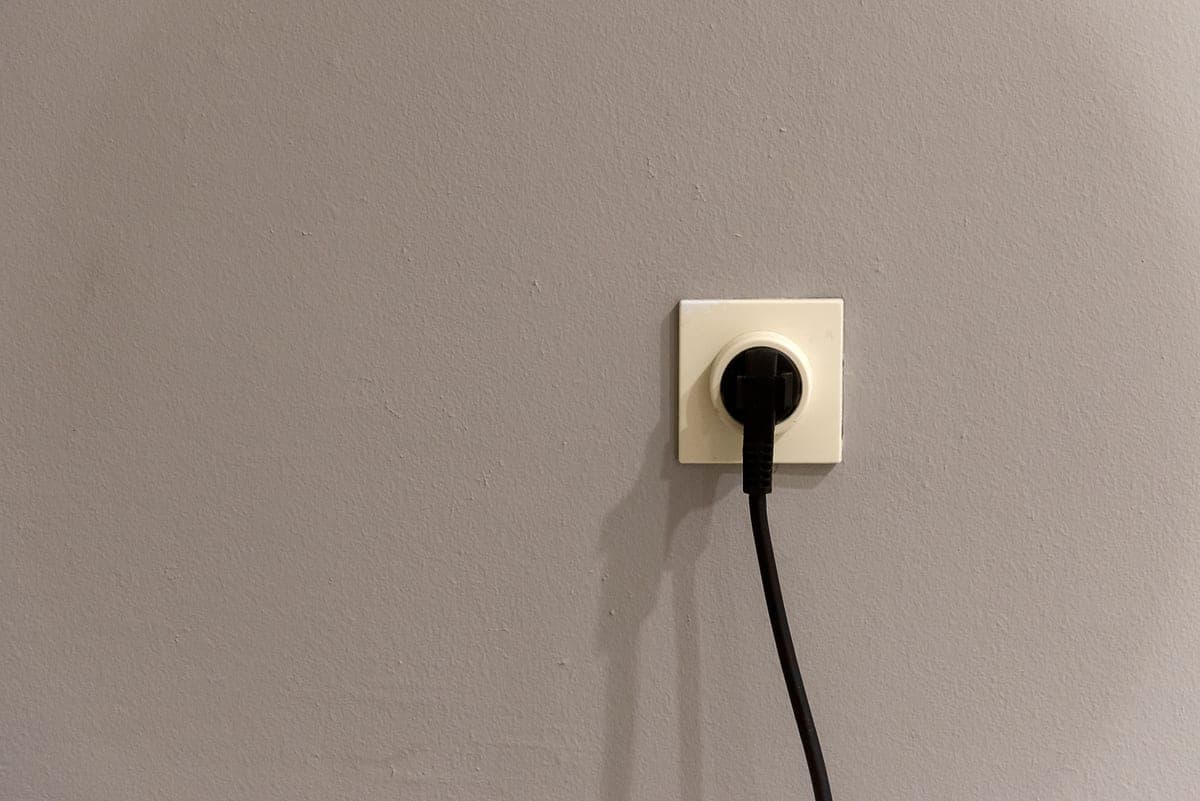
Are plug-in wax warmers a fire hazard?
What a plug-in actually draws, where the real risks are, and the siting rules that matter more than which model you buy.
Wax Melts
The best wax melts for large rooms, and the honest limits of the format
What actually scales in a big room: dose, warmer temperature, siting and the number of warmers. Brand is the smallest variable.
Running Costs
How much electricity does a wax warmer use?
The formula, a table by rated wattage, and every assumption labeled - so you can rerun it against your own tariff and your own hours.