Compare
Wax warmer vs candle warmer lamp
One melts loose cubes in a dish. The other heats a whole jar candle from above without lighting it. The right answer depends on what you already own.
Disclosure — we earn a commission if you buy through the links on this page, at no extra cost to you. It does not change which products we pick or what we say about them. We accept no samples and no sponsorship. How this site is funded.
The short answer
Buy a wax warmer if you are buying wax melts: it is cheaper, it publishes wattages more often, and it has no bulb. Buy a candle warmer lamp if you already own jar candles you would rather not burn, or if a published auto shut-off timer matters - lamps are the only format where that is standard. A lamp will handle melts too, in a dish; a dish warmer will not handle a jar.
What each one is
A wax warmer is a dish with a heat source. Either an element under the dish (a plate warmer) or a bulb inside the body. You put loose wax cubes in the dish. That is the whole product.
A candle warmer lamp is a bulb in an adjustable head that hangs over whatever you put beneath it, heating from the top down. It was designed to warm a jar candle without lighting it - the wick never burns, the wax is never consumed, and the fragrance comes off the surface.
The lamp is the more flexible of the two, because "whatever you put beneath it" includes a small dish of wax melts. The dish warmer is the more specialized.
The table
| Wax warmer (dish) | Candle warmer lamp | |
|---|---|---|
| Designed for | Loose wax melt cubes | Jar candles, and melts in a dish |
| How it heats | Element under the dish, or a bulb in the body | Bulb above, radiating down |
| Published wattage | Sometimes - 10 W to 25 W in our index | Almost never in our index |
| Bulb to replace | Only on bulb models. Plate warmers have none. | Yes, always |
| Timer commonly published | No | Yes - the format's main advantage |
| Takes a jar candle | No | Yes, within a published size limit |
| Takes loose melts | Yes, directly | Yes, in a dish under the head |
| Also a light | Only bulb models | Yes - it is a lamp |
| Speed to throw | Fast on a plate warmer | Slower - radiant heat, gentler pool |
| Key spec to check | Rated wattage and dish diameter | Head-height range and maximum jar size |
The lamp's real trick
Using a jar candle without burning it, and it is genuinely the best reason to own one.
A great many people arrive at wax melts with a shelf of candles they stopped burning - a cat arrived, a baby arrived, a landlord objected. Those candles are not waste. A warmer lamp heats the jar from above, the fragrance comes off the surface, and the wax is never consumed. The jar lasts far longer than it would burned, and there is no flame.
That is a specific machine for a specific situation, and if it is your situation the lamp is the obvious purchase.
Check the jar limit. Candle Warmers Etc. is the only maker in our index that publishes one, and it does it in both dimensions: 22 oz or smaller and up to 6 inches tall. Height is the constraint people miss - a tall narrow jar can be inside the weight limit and still not fit. Lamp picks.
The dish warmer's real advantage
It publishes a wattage, and it has no bulb.
Of the ten warmers we index, the four with a published rated power are all dish or plug-in models. Not one of the five candle warmer lamps publishes a wattage, which means their running cost cannot be computed by anybody. On a site whose whole argument is that its numbers are checkable, that is a meaningful difference.
And the plate models have no consumable at all. No bulb to identify, none to source, none to fail. Combined with a 10 W rating - about $3.72 a year at six hours a day and 17 cents per kilowatt-hour - that makes a plate warmer the cheapest thing in the category to own.
A plate warmer also gets hot faster and throws harder for its power, because it conducts heat straight into the dish rather than radiating it down. The mechanism.
Choosing
- You own jar candles you have stopped burning. Lamp. It is the machine for that.
- You want an auto shut-off on a nightstand. Lamp - the only format where a published timer is normal.
- You are buying wax melts and want the cheapest correct thing. Low-wattage plate warmer.
- You want the strongest throw for the power. Plate warmer.
- You want the object to look like furniture rather than an appliance. Lamp.
- You never want to hunt for a bulb again. Plate warmer.
And if you want both behaviors from one object: a lamp plus a small dish covers jars and melts, at the price of an unpublished wattage and a bulb. All three types side by side.
Questions people actually ask
Can you use wax melts in a candle warmer lamp?
Yes, in a shallow dish or tin placed under the head rather than loose on the base. The thing to check is head height: a lamp heats from above and the wax has to be close enough to reach a proper melt pool. Where a maker publishes a head-height range, use it, and start at the lowest setting.
Is a candle warmer lamp better than a wax warmer?
Better at different things. A lamp handles jar candles, gives light, and is the only format where a published auto shut-off timer is standard. A dish warmer is cheaper, publishes a wattage far more often, throws harder for its power, and on plate models has no bulb to replace at all.
Do candle warmer lamps work with all candles?
Within a size limit, and most makers do not publish one. Candle Warmers Etc. is the exception in our index and states 22 oz or smaller and up to 6 inches tall. Height is what people get wrong - a tall narrow jar can be within the weight limit and still not fit under the head.
Which is cheaper to run, a wax warmer or a candle warmer lamp?
A plate wax warmer, on the evidence available. The lowest published wattage we index is 10 W, about $3.72 a year at six hours a day, with no bulb to replace. Almost no candle warmer lamp publishes a wattage at all, so their running cost cannot be computed - and a lamp is also producing light, which is energy not going into the wax.
Sources
Every factual claim on this page traces to one of these, or is labeled as an assumption. We have not tested these products - our method is on the methodology page.
- Milk Glass Candle Warmer Lamp product page — Candle Warmers Etc.. Retrieved September 2, 2026.
- Electric Power Monthly, average retail price of electricity to residential customers — U.S. Energy Information Administration. Retrieved September 2, 2026.
Read next
Warmers
The five types of wax warmer, and how to tell them apart
The taxonomy the rest of this hub hangs off: how each warmer type heats, what it takes as a consumable, and which one is not flame-free.
Warmers
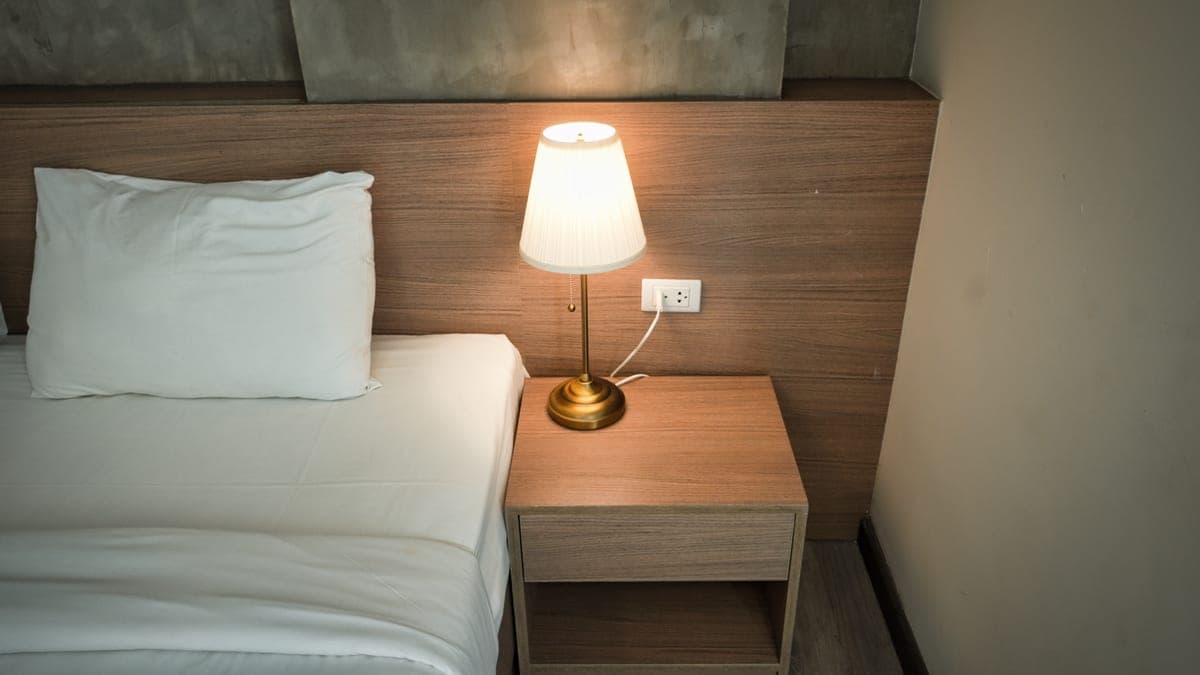
The best candle warmer lamps, ranked on the timer they actually publish
Candle warmer lamps compared on the specification that matters most: published timer behavior, plus head height and jar capacity.
Warmers
The best wax melt warmers, ranked on what their makers actually publish
Wax melt warmers ranked on published wattage, bulb fitment and dish size, with the source for every number.
Warmers
Plug-in vs candle warmer lamp vs electric dish warmer
The three electric warmer types side by side: running cost, throw, consumables, cleaning and where each belongs.
Compare
Wax melts vs candles
Nine axes compared in a table: flame risk, soot, cost per hour, throw, duration, cleanup - plus what a candle genuinely does better.
Compare
Warming a candle vs burning it
The wax stops disappearing and the fragrance still runs out. What a warmer lamp changes about a jar candle, quoted from the maker's own FAQ.