Warmers
How wax melt warmers work
The wax is not the fragrance. It is the carrier, and understanding what the heat is really doing explains almost every complaint people have about these products.

The short answer
A warmer holds wax at a temperature high enough to melt it but well below where it would burn. Fragrance oil dissolved in the wax evaporates from the surface of the melted pool into the room. The wax itself is not consumed - it is a carrier, and it is still sitting in the dish long after all the fragrance has left it. That one fact explains why a warmer can look like it is working perfectly while the room smells of nothing.
Wax is the carrier, not the product
A wax melt is fragrance oil dissolved into a solid wax at a low percentage. When it is solid, very little escapes - that faint smell from an unopened pack is called cold throw and it comes from the small amount evaporating at room temperature.
Heat the wax past its melting point and two things change. The oil becomes far more mobile within the liquid, and the surface area exposed to the air is now a warm pool rather than a cold block. Evaporation goes up by orders of magnitude. That is the whole mechanism, and it is why the phrase for the useful version is hot throw.
What does not happen is combustion. Nothing is burned, no soot is produced, and the wax stays in the dish. When the fragrance is gone, what remains is unscented wax that will melt and re-solidify indefinitely without ever smelling of anything again.
Why a candle behaves differently
A candle does the same evaporation, plus combustion, and the difference matters.
In a candle the wick draws liquid wax up and burns it. That produces the flame, which produces the heat, which melts more wax. Fragrance evaporates from the melt pool around the wick exactly as it does in a warmer - but some of it is also drawn into the flame and destroyed, and the wax is consumed as fuel.
Three consequences follow. A candle is a finite object where a melt is a finite fragrance in a reusable carrier. A candle has an open flame and a warmer does not. And a candle's melt pool is limited to the area the flame can heat, where a warmer heats the whole dish. Detail on wax melts vs candles.
Temperature is the variable, not heat
A distinction with real practical consequences.
How fast fragrance leaves the pool depends on how hot the pool is, not on how much power the warmer draws. A 25 W warmer heating a large mass of wax may sit at a lower pool temperature than a 10 W warmer heating two cubes in a small dish. That is why overfilling makes a warmer seem weak, and why wattage is a rough proxy for throw rather than a direct measure of it.
It also explains the trade-off between heating types. A plate warmer conducts heat straight into the dish and gets the pool hot quickly - strong throw, faster exhaustion. A bulb warmer radiates from above and runs the pool cooler - gentler throw, and the wax lasts longer before it is spent. Neither is better; they are different curves.
What the wax type changes
Different waxes melt at different temperatures, and that shifts the whole curve.
Soy melts at a lower temperature than paraffin, so on the same warmer a soy melt reaches a liquid pool sooner and sits at a gentler working temperature - a softer opening and a longer tail. Adding beeswax, as Milkhouse does, raises the melt point again, which is why a beeswax blend wants a warmer that gets properly hot rather than a gentle bulb.
This is the practical reason to read the wax type on the pack rather than treating all melts as interchangeable. Full comparison on soy vs paraffin wax melts.
What this means when you are buying
- Do not buy a warmer expecting it to fix weak wax. The warmer controls the rate; the wax controls how much there is to release.
- More wax in the dish is not more scent. It is a bigger mass to heat and a cooler pool. Dose to the warmer.
- A strong opening and long life are opposites. A hot plate warmer gives you the first; a gentle bulb warmer gives you the second. Choose which you want.
- Wax left in the dish is not a reserve. Once the fragrance has gone it will never come back, and leaving it there dilutes the next cube you add.
Questions people actually ask
Do wax melts evaporate?
The fragrance oil does. The wax does not - it stays in the dish and will melt and re-solidify indefinitely. That is why a warmer can look like it is working while the room smells of nothing: you are looking at the carrier, and the thing that made it useful has already evaporated out of it.
Do wax melts get used up?
Their fragrance does, not their volume. A spent melt is the same amount of wax it always was, just with no scent left in it. There is no visual cue for when it is finished, which is the single most confusing thing about the format and the reason people think their warmer has broken.
How long does it take a wax warmer to melt wax?
It varies with the heating type, the wattage and how much wax is in the dish. Plate warmers conduct heat directly and get there fastest; bulb warmers radiate from above and take longer. Overfilling adds a lot of time because the same heat has to raise a much larger mass. If nothing has happened in half an hour, something is wrong.
Do wax warmers produce smoke or soot?
No. Nothing is burned in an electric warmer - the wax is melted and the fragrance evaporates. Soot from a candle comes from incomplete combustion at the flame, and there is no flame here. That is one of the concrete advantages of the format over burning a scented candle.
Why does my wax melt smell strong at first then fade?
Because the fragrance concentration in the pool is highest when you start and falls as it evaporates. The curve is front-loaded by design. A hotter warmer makes the opening stronger and the fade faster; a gentler one flattens both. It is also partly your nose, which stops registering a constant smell within minutes.
Sources
Every factual claim on this page traces to one of these, or is labeled as an assumption. We have not tested these products - our method is on the methodology page.
- Wax Melt FAQ — Happy Wax. Retrieved September 2, 2026.
- Oatmeal Milk and Honey Soy Wax Melts — Milkhouse Candle Company. Retrieved September 2, 2026.
Read next

Scent Throw
What is scent throw?
A crisp definition, the four variables that actually determine throw, and why no brand can substantiate a strength claim.
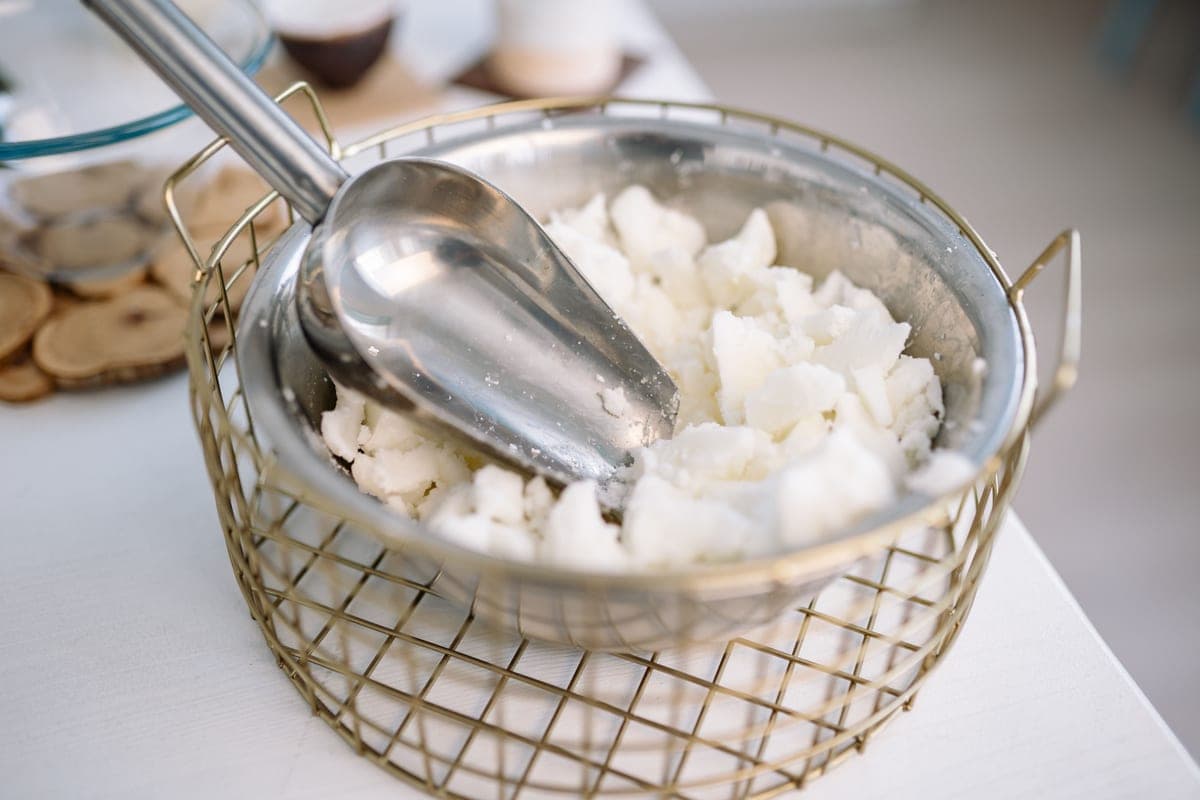
Scent Throw
Hot throw vs cold throw
Why the pack smell does not predict the room smell: different fragrance components evaporate at different temperatures.
Wax Melts
Soy vs paraffin wax melts
Melt point, throw character, cost and cleanup compared - plus an honest account of where the emissions evidence actually stands.
Warmers
The five types of wax warmer, and how to tell them apart
The taxonomy the rest of this hub hangs off: how each warmer type heats, what it takes as a consumable, and which one is not flame-free.
Compare
Wax melts vs candles
Nine axes compared in a table: flame risk, soot, cost per hour, throw, duration, cleanup - plus what a candle genuinely does better.