Warmers
Candle warmer replacement bulbs
Two numbers decide this purchase and people check them in the wrong order. The base decides whether it fits at all; the wattage decides whether it melts anything.
Disclosure — we earn a commission if you buy through the links on this page, at no extra cost to you. It does not change which products we pick or what we say about them. We accept no samples and no sponsorship. How this site is funded.
The short answer
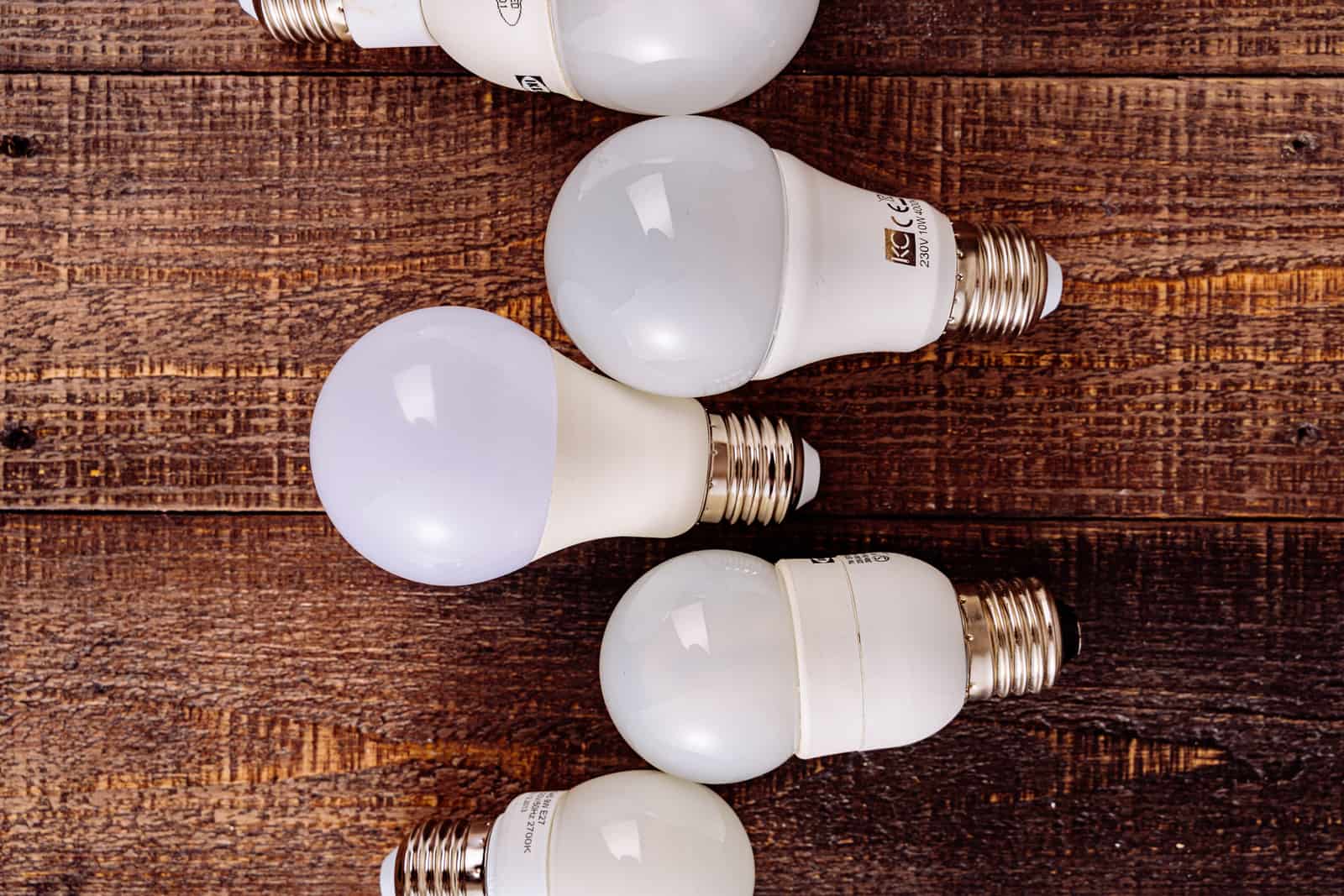
Check the base before anything else: most warmer lamps and bulb warmers use GU10, a twist-lock fitting. Then match the wattage your warmer is rated for - typically 25 W for a bulb warmer and 50 W for a candle warmer lamp. And buy halogen, not LED: a warmer needs the heat a halogen wastes, which is exactly what an LED does not produce.
Quick picks
| # | Product | Best for | Price |
|---|---|---|---|
| 01 |  YBEK 25 W NP5 (4-pack) The replacement that states base, wattage, voltage and color temperature together, which is rarer in this category than it should be. | Best 25 W replacement | |
| 02 |  Snnalosses 25 W (3-pack) The cheapest way to get a spare into the drawer, with the same base and wattage as the pricier packs and less information around it. | Cheapest 25 W spare | |
| 03 |  GODONLIF 50 W GU10 The 50 W half of this category, from a brand that also makes the lamps - so the fit question answers itself if you own one. | Best 50 W lamp bulb | $9.49 View on Amazon
|
#ad Prices come from the live data layer and are stamped with the date they were checked. Where no live price exists the button says "Check price" rather than showing an old number. How we are funded.
Base first, wattage second
These two get checked in the wrong order constantly, and only one of them can stop the bulb going in at all.
The base is the physical fitting. GU10 is a twist-lock with two stubby pins, and it is what most of this category uses. E12 candelabra screw fittings turn up on some plug-ins. Some makers publish a house designation instead - Candle Warmers Etc. names NP1 and NP3 for specific models, and several replacement listings quote NP5. Those are model codes layered on top of a standard base, not a different fitting.
The wattage decides how hot the dish gets. Fit a 25 W bulb where 50 W belongs and the wax will melt slowly or not at all; the reverse is not a swap to make on guesswork, because the fixture is rated for what the maker specified.
Identifying what you have, including what to do when the warmer publishes nothing, is covered step by step on the bulb guide. This page is the buying half of that question.
How we picked
- Does it state the base? A replacement bulb listing without a stated fitting is unbuyable information. Everything here states GU10.
- Does it state wattage and voltage? 120 V for the US, and the wattage your fixture expects.
- Does it state dimmable and color temperature? These only matter on a lamp with a dimmer, where they matter a lot.
- How many in the pack? Bulbs fail on their own schedule. A multipack is the difference between a five-minute fix and a lost evening.
- Is it purchasable right now? All three were confirmed with a live offer on 13 September 2026.
We have not tested bulb life. Nobody publishes independent testing on warmer bulbs, and the one life figure that exists in this category is the maker's own - see the next section.
What each one states
| Bulb | Base | Rating | Pack | Also states |
|---|---|---|---|---|
| YBEK NP5 | GU10 | 25 W, 120 V | 4 | Dimmable, 2700 K warm white, MR16 JDR |
| Snnalosses | GU10 | 25 W, 120 V | 3 | Warm white. No dimmable rating stated |
| GODONLIF | GU10+C | 50 W, 120 V | Not stated | MR16, cover glass |
The dimmable rating is the specification people skip and then regret. On a lamp with a dimmer - and most candle warmer lamps have one - a bulb not rated for dimming can buzz or flicker at low settings.
Why an LED will not work
This is the most common substitution mistake in the whole category, and it is an understandable one: the bulb looks like a light, so people replace it with a better light.
A warmer does not want light. It wants waste heat, and a halogen bulb is mostly a small heater that happens to glow. An LED at the same stated wattage produces a fraction of that heat by design - that efficiency is the entire point of LED - so the wax either melts very slowly or never reaches a working pool at all.
The symptom is distinctive: the warmer lights up normally and nothing happens to the wax. If that is what you are seeing after a bulb change, the bulb is the cause. The wider diagnosis is on when a warmer stops working.
How often you will actually replace one
Less often than the multipacks imply, and there is a published figure for once.
Candle Warmers Etc. states that its warming bulbs "last between 1,000 to 1,500 hours". At three hours a day that is roughly a year to eighteen months. The same FAQ adds a genuinely useful habit note: turning a bulb on and off within a five minute period shortens its life - so flicking a warmer on and off while you decide is more expensive than leaving it for the session.
What a bulb costs to own over that period, against the alternative of a plate warmer with no bulb at all, is worked through on bulb replacement costs.
Identifying your bulb without the manual
Most people arrive at this question holding a dead bulb and no paperwork. It is solvable in about two minutes.
- Unplug it and let it cool. Halogen bulbs run hot enough to burn, and a warm bulb is also more fragile.
- Look at how it attaches. Two stubby pins that twist and lock is GU10 - by far the most common in this category. A screw thread the size of a nightlight bulb is usually E12 candelabra. That single observation eliminates most of the shelf.
- Read the bulb itself. Wattage and voltage are almost always printed on the metal or the glass, even when the warmer publishes nothing. This is the number to match.
- Photograph it beside a ruler before you throw it away. Pin spacing and overall length settle any ambiguity later, and you will not remember.
- Check whether your warmer dims. If it does, buy a bulb whose listing states it is dimmable.
If the warmer came from a maker that publishes a bulb code - Candle Warmers Etc. names NP1 and NP3 for specific models - buying by that code is more reliable than matching wattage alone. The bulb guide goes through the fittings in detail.
When the bulb is not the problem
A surprising share of replacement bulb purchases are made to fix something a bulb was never causing. Three checks before you order.
- The wax is spent. This is the most common one by a distance. Warmed wax looks identical long after its fragrance has gone, so the warmer appears to have weakened when it has not. Change the wax first - why you cannot smell your wax melts.
- The dish has old wax under new cubes. Spent wax dilutes fresh wax. Clearing the dish restores throw and costs nothing - how to clean a wax warmer.
- The head is set too high on a lamp. If the bulb lights and the wax never pools, distance is the likelier cause than output - how to use a candle warmer lamp.
A bulb that has actually failed is unambiguous: it does not light. If it lights, the problem is somewhere else, and the full diagnostic order is on when a warmer stops working.
How many spares to keep
Bulbs are the one part of a warmer that is guaranteed to fail, and they fail without warning on an evening when the shops are shut.
At the 1,000 to 1,500 hours Candle Warmers Etc. publishes, a warmer run three hours a day needs a replacement roughly every year to eighteen months. Two spares is therefore two to three years of cover, which is why the three and four-packs here are better value than they look next to a single bulb.
Two practical notes:
- Buy spares when you buy the warmer, not when the bulb dies. You will otherwise be identifying a fitting from a dead bulb at short notice, which is exactly the situation that produces a wrong order.
- Keep one spare with the warmer rather than in a drawer elsewhere. Halogen capsules are small and easy to lose track of, and a spare you cannot find is not a spare.
If the warmer you own takes a bulb nobody sells any more, that is the point at which a plate warmer with no bulb at all becomes the sensible replacement - the economics are on bulb replacement costs.
What we do not recommend
Buying by wattage alone. Wattage does not describe a fitting. A 25 W bulb with the wrong base does not go in, and this is the single most common return in the category.
An LED substitute. Covered above. It is not a cheaper bulb; it is a different device that does not do the job.
An undimmable bulb in a dimmable lamp. It may work at full brightness and misbehave everywhere else, which removes the one heat control a lamp gives you.
Replacing a bulb to fix weak scent. Nine times out of ten the wax is spent rather than the bulb - warmed wax looks identical long after its fragrance has gone. Check that first: why you cannot smell your wax melts.
The picks in full
Best 25 W replacement
YBEK 25 W GU10 NP5 Halogen Replacement Bulb, 4-Pack
The replacement that states base, wattage, voltage and color temperature together, which is rarer in this category than it should be.
First because it states base, wattage, voltage, dimmability and color temperature in one place, and four bulbs is years of replacements.
- GU10 is the twist-lock base used by most warmer lamps and bulb warmers. Check yours before ordering - a mismatched base does not fit at all.
- Four bulbs is several years of replacements at the 1,000 to 1,500 hour life Candle Warmers Etc. publishes for warming bulbs.
- Halogen, not LED. An LED of the same wattage produces light without the heat a warmer needs, which is the single most common substitution mistake.
Skip this if
Your warmer takes 50 W. A 25 W bulb in a 50 W fixture is safe and simply will not melt wax as well.
- Fits
- 25 W, 120 V, GU10 base, NP5 / MR16 JDR, dimmable, 2700 K YBEK listing (retailer listing, checked 2026-09-13)The base is the number that decides fit. Wattage decides how hot the dish gets; matching one without the other is how people buy a bulb that does not go in.
- Dimensions
- Not published
- Material
- Not published
- Pack size
- 4 bulbs YBEK listing (retailer listing, checked 2026-09-13)
Published specifications
Cheapest 25 W spare
Snnalosses 25 W GU10 Halogen Warming Bulb, 3-Pack
The cheapest way to get a spare into the drawer, with the same base and wattage as the pricier packs and less information around it.
The cheapest per bulb here. It publishes the base and the wattage and stops there, which on a dimmable lamp is a real gap.
- Three bulbs at this price is the lowest cost per bulb in this set.
- No color temperature and no dimmable rating are published. On a lamp with a dimmer, an undimmable bulb buzzes or flickers.
- Same GU10 base as the rest. Confirm your fixture before ordering, because a bulb is not worth a return.
Skip this if
You want a stated color temperature or a dimmable rating. This listing publishes neither, and on a dimmable lamp that matters.
- Fits
- 25 W, 120 V, GU10 base, warm white Snnalosses listing (retailer listing, checked 2026-09-13)
- Dimensions
- Not published
- Material
- Not published
- Pack size
- 3 bulbs Snnalosses listing (retailer listing, checked 2026-09-13)
Published specifications
Snnalosses
Snnalosses 25 W (3-pack)
#ad Price as of September 13, 2026. How we are funded
Best 50 W lamp bulb
GODONLIF Candle Warmer Lamp Bulb, GU10 120 V 50 W Halogen
The 50 W half of this category, from a brand that also makes the lamps - so the fit question answers itself if you own one.
The 50 W half of the category, from a maker that also builds the lamps - which removes the fit question if you own one of theirs.
- GU10+C describes a GU10 base with a cover glass. It matters because some lamps will not close over a bare MR16 capsule.
- 50 W at 120 V is about 18 dollars a year at six hours a day and 17 cents per kWh - the highest running cost of any format we index.
- Buying the bulb from the lamp's own maker removes the base-compatibility guesswork, which is worth more than a dollar or two of savings.
Skip this if
Your warmer is a 25 W bulb warmer. Fitting a 50 W bulb to a fixture rated lower is not a swap to make on guesswork.
- Fits
- 50 W, 120 V, GU10+C base, MR16 GODONLIF listing (retailer listing, checked 2026-09-13)50 W is the rating the candle warmer lamps we index use. It is double a bulb warmer's draw and it is what makes a lamp melt a jar candle from above.
- Dimensions
- Not published
- Material
- Not published
- Pack size
- Not published
Published specifications
GODONLIF
GODONLIF 50 W GU10
Questions people actually ask
What bulb does a candle warmer take?
Most candle warmer lamps and bulb warmers use a GU10 base - a twist-lock fitting with two stubby pins. Bulb warmers are typically 25 W and candle warmer lamps typically 50 W, both at 120 V in the US. Some makers publish their own code, such as Candle Warmers Etc.'s NP1 and NP3, which sits on top of a standard base rather than replacing it.
Can I use an LED bulb in a wax warmer?
No. A warmer relies on the waste heat a halogen bulb produces, and an LED at the same stated wattage is designed not to produce it. The giveaway is a warmer that lights up perfectly and never melts the wax. Buy halogen for any bulb-heated warmer.
How long do candle warmer bulbs last?
Candle Warmers Etc. publishes 1,000 to 1,500 hours for its warming bulbs, which is roughly a year to eighteen months at three hours a day. The same FAQ notes that switching a bulb on and off within a five-minute window shortens that life, so leaving it running for a session beats flicking it on and off.
Is a 25 W or 50 W bulb right for my warmer?
Match what the warmer is rated for. In this category 25 W is usual for a bulb warmer that heats a dish of melts, and 50 W for a candle warmer lamp that heats a jar candle from above. A 25 W bulb in a 50 W fixture is safe and simply will not melt wax properly; going the other way is not a swap to make on guesswork.
Why is my wax not melting after changing the bulb?
Most likely you fitted an LED, which produces light without the heat the warmer needs. The other possibilities are a bulb below the wattage the fixture expects, or wax that was already spent before you changed anything - warmed wax looks the same long after its fragrance has gone.
Sources
Every factual claim on this page traces to one of these, or is labeled as an assumption. We have not tested these products - our method is on the methodology page.
- Frequently Asked Questions — Candle Warmers Etc.. Retrieved September 6, 2026.
- Milk Glass Candle Warmer Lamp product page — Candle Warmers Etc.. Retrieved September 2, 2026.
Read next
Warmers
What size bulb does a wax warmer take?
How to identify a replacement warmer bulb: base type first, wattage second, and why matching watts alone gets people the wrong bulb.
Running Costs
What warmer bulbs cost to own
The real consumable cost of a bulb warmer, and why sourcing rather than price is the thing to weigh before you buy one.
Warmers
Your wax warmer is not working. Here is the order to check things.
Spent wax, the wrong bulb, head height and an overloaded dish account for most warmer failures. Check them before you buy a replacement.
Warmers
The best candle warmer lamps, ranked on the timer they actually publish
Candle warmer lamps compared on the specification that matters most: published timer behavior, plus head height and jar capacity.
Warmers
Marycele candle warmer lamp review
What Marycele publishes, what it does not, and the 50 W bulb rating that costs about five times what a plate warmer does to run.
Warmers
The five types of wax warmer, and how to tell them apart
The taxonomy the rest of this hub hangs off: how each warmer type heats, what it takes as a consumable, and which one is not flame-free.