Running Costs
What warmer bulbs cost to own
Bulbs are cheap. The cost that matters is the warmer you cannot source a bulb for, which turns a working appliance into an ornament.
The short answer
Individually, very little - warmer bulbs are inexpensive and almost always sold in multipacks, and two of the lamps we index ship with a spare. The cost that actually matters is availability, not price: a warmer whose bulb you cannot identify or source becomes an ornament. A plate warmer avoids the question entirely by having no bulb.
Why the price is not the point
A replacement bulb costs a few dollars, sold in packs of several, and lasts a long time in a device used a few hours an evening. Over the life of the warmer this is a small number next to the wax you will melt in it.
So the honest framing is not "how much do bulbs cost". It is will you still be able to buy one in three years, and will you know which one to buy?
That is a real risk in this category. Most warmer sellers publish nothing beyond "replaceable bulb". When the first one fails you are left identifying a base type from a cooled fitting, ordering something that might match, and finding out on arrival.
Which warmers make it easy
| Warmer | Bulb | Spare included? | Sourcing risk |
|---|---|---|---|
| Candle Warmers Etc. Milk Glass Lamp | NP1, named on the product page | Included | Low - buy by the code |
| Candle Warmers Etc. Vintage Bulb | NP3, named on the listing | Included | Low - buy by the code |
| VP Home Plug-in | 25 W, 120 V, replaceable | Not stated | Medium - wattage given, base not |
| Marycele lamp | 2 bulbs included | Yes, 2 | Medium - no designation published |
| GODONLIF lamp | 2 bulbs included | Yes, 2 | Medium - no designation published |
| Engpure lamp | 2 bulbs included | Yes, 2 | Medium - no designation published |
| Briever lamp | Not published | Not stated | High - nothing published |
| Candle Warmers Etc. plate warmers | None - no bulb | n/a | None |
| EQUSUPRO ceramic warmer | None - no bulb | n/a | None |
Note the pattern. The only warmers here with a low sourcing risk are the ones from a maker that names its bulb, and the ones with no bulb at all.
Do this on day one
The single most useful thing you can do about bulb replacement takes two minutes and happens when the warmer arrives, not when it fails.
- Take the spare bulb out of the box and look at it. Photograph the base. Note anything printed on it.
- Read the label on the warmer. It usually carries voltage, frequency and a maximum wattage. Photograph that too.
- Save both photos somewhere you will find them. In eighteen months you will not remember, and the label will be dusty and behind a dish of wax.
How to identify a fitting from a warmer you already own, and why an LED is not a substitute, is on the bulb guide.
The plate warmer argument
An electric dish warmer heats with an element under the dish. No bulb, no consumable, nothing to identify and nothing to run out of.
Combined with the electricity figures, that makes a low-wattage plate warmer the cheapest thing in this category to own outright: the 10 W model we index is about $3.72 a year to run at six hours a day, with no consumable on top.
What you give up is light and, on most models, a timer. If you want either, a lamp plus a bulb you have identified in advance is a perfectly good answer - just make the identification part of the purchase rather than a problem for later. See plug-in vs lamp vs dish.
Assumption, not a fact
The $3.72 figure assumes 17 cents per kilowatt-hour and six hours a day. A round figure in the range US residential customers actually pay. Your own bill is the number that matters, and every formula on this site is written so you can substitute it.
What we would not do
Fit a higher-wattage bulb than the warmer is rated for. The maximum printed on the base is what the housing and wiring were designed for. If the throw is weak, add wax or change warmer - do not over-lamp the one you have.
Fit an LED to a bulb warmer. In a bulb warmer the heat is the function, and an LED is efficient precisely because it produces very little heat for the power it draws. You get a well-lit warmer that melts nothing. If low running cost is the goal, the answer is a plate warmer, not an LED.
Buy a warmer whose bulb is undocumented if you intend to keep it. For a seasonal decorative piece it hardly matters. For the warmer you will use every evening for years, an unidentifiable consumable is a real defect, and it is why the Briever sits at the bottom of our lamp roundup.
Questions people actually ask
How much do wax warmer bulbs cost?
Individually very little - they are inexpensive and almost always sold in multipacks. The cost that matters is not the price but whether you can identify and source the right one in a few years. Most sellers in this category publish nothing beyond replaceable bulb, which leaves you working out a base type from a cooled fitting.
How often do wax warmer bulbs need replacing?
No maker we index publishes a rated life for its warmer bulbs, so any specific figure would be invented. In practice, a bulb in a device run a few hours an evening lasts a long time, and two of the lamps we index ship with a spare on the assumption you will eventually need it.
Can I use any bulb in my wax warmer?
No. The base type has to match and the wattage must not exceed what the warmer is rated for. Matching wattage alone is the most common reason people end up with a bulb that will not fit. An LED will fit some warmers and will not work in any of them, because in a bulb warmer the heat is the function.
Are wax warmers without bulbs cheaper to own?
Yes, on both counts. An electric plate warmer has no consumable at all, and the lowest published wattage we index is 10 W - about $3.72 a year at six hours a day, against roughly $9.31 for a 25 W bulb warmer plus bulbs. What you give up is light and, usually, a built-in timer.
Sources
Every factual claim on this page traces to one of these, or is labeled as an assumption. We have not tested these products - our method is on the methodology page.
- Milk Glass Candle Warmer Lamp product page — Candle Warmers Etc.. Retrieved September 2, 2026.
- Electric Power Monthly, average retail price of electricity to residential customers — U.S. Energy Information Administration. Retrieved September 2, 2026.
Read next
Warmers
What size bulb does a wax warmer take?
How to identify a replacement warmer bulb: base type first, wattage second, and why matching watts alone gets people the wrong bulb.

Warmers
Your wax warmer is not working. Here is the order to check things.
Spent wax, the wrong bulb, head height and an overloaded dish account for most warmer failures. Check them before you buy a replacement.
Running Costs
How much electricity does a wax warmer use?
The formula, a table by rated wattage, and every assumption labeled - so you can rerun it against your own tariff and your own hours.
Warmers
Plug-in vs candle warmer lamp vs electric dish warmer
The three electric warmer types side by side: running cost, throw, consumables, cleaning and where each belongs.
Warmers
The best candle warmer lamps, ranked on the timer they actually publish
Candle warmer lamps compared on the specification that matters most: published timer behavior, plus head height and jar capacity.
Warmers
Candle warmer replacement bulbs
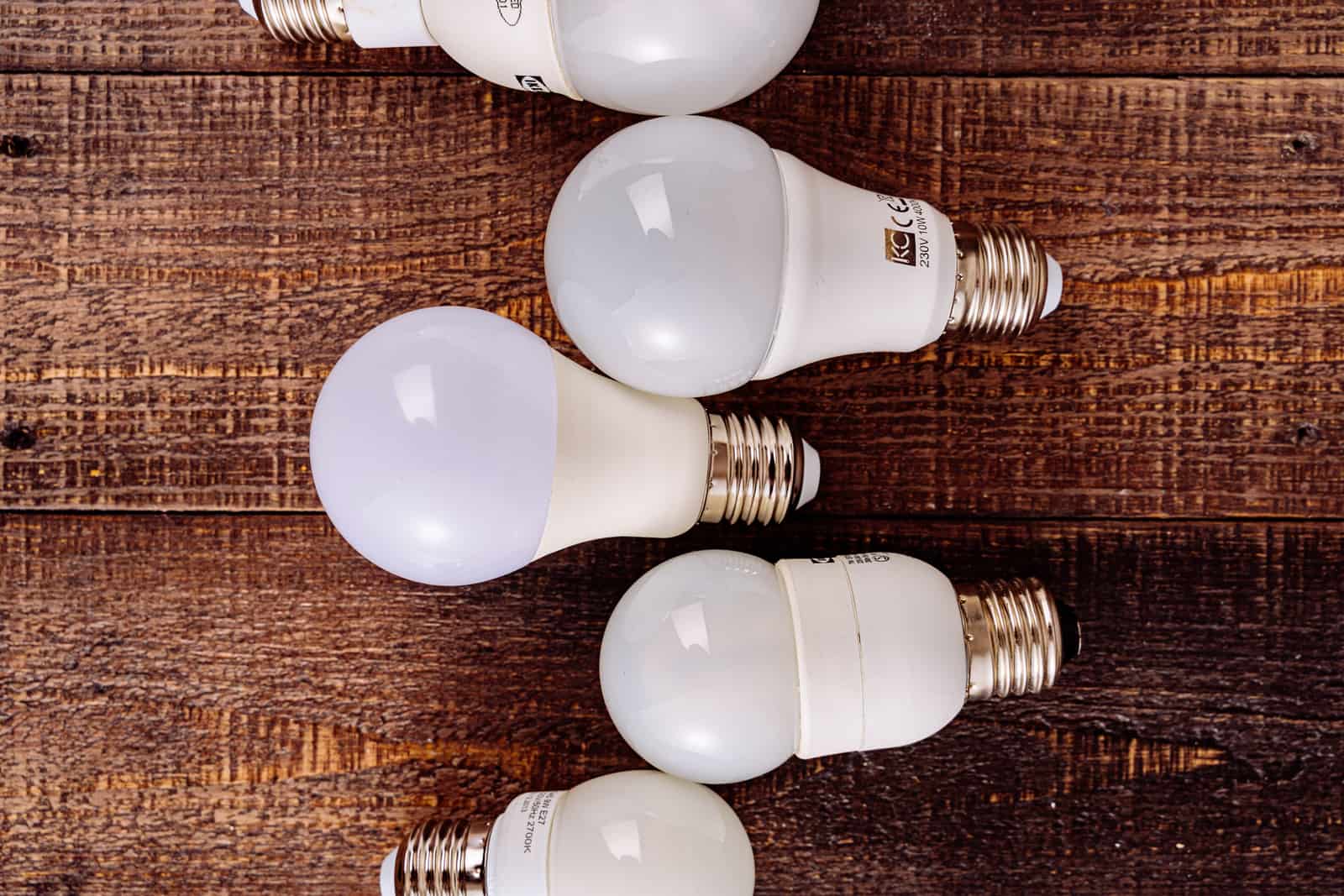
GU10 25 W and 50 W replacements compared on what each listing states, plus why an LED of the same wattage will not melt wax.